
Opinion: Kenya's women's football has talent - it lacks sustainability strategies
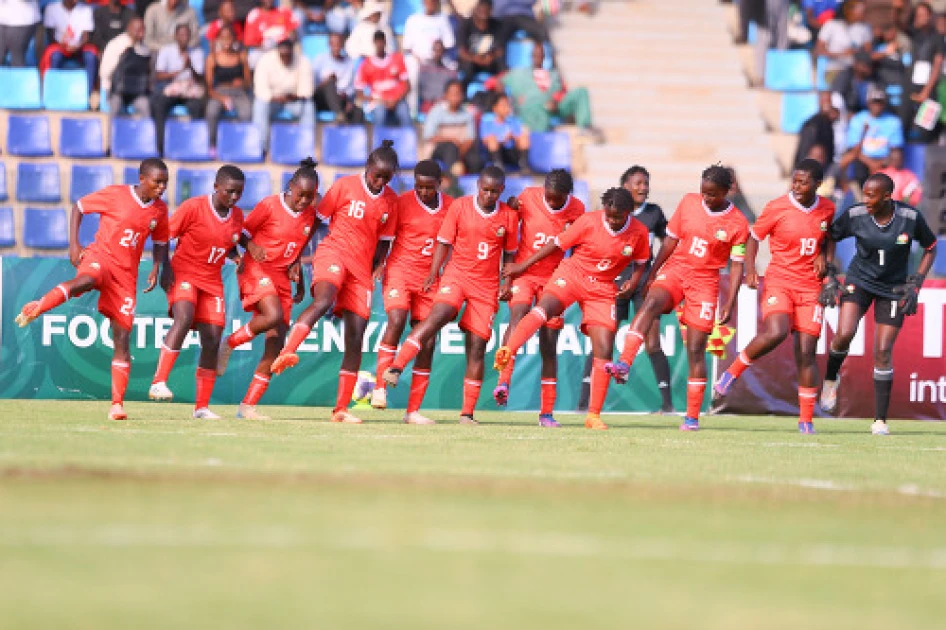
Kenya’s Junior Starlets players celebrate scoring against Namibia during the return leg of their 2026 FIFA U-17 Women’s World Cup qualifier at Ulinzi Sports Complex in Nairobi on April 18, 2026. Photo/Sportpicha

Audio By Vocalize
The Harambee Starlets have qualified for the 2026 CAF Women's Africa Cup of Nations (WAFCON), while the Junior Starlets have secured a second consecutive appearance at the FIFA U-17 Women's World Cup. These are not isolated successes or fortunate outcomes. They are evidence that Kenya possesses the talent to compete at the highest level in Africa and on the global stage.
Equally encouraging is the role secondary school football has played in nurturing that talent. Schools have invested in coaching, structured competitions and player development, creating a reliable pathway for young girls to showcase their potential. In many respects, they have carried the burden of developing the country's next generation of footballers.
The real test begins after graduation.
Only a handful of players secure professional contracts abroad. Most enter the FKF Women's Premier League, where many clubs continue to grapple with inadequate funding, limited sponsorship, inconsistent media coverage and poor player welfare. Rather than progressing into a stronger professional environment, many players encounter a system that limits their growth.
This is the defining challenge facing FKF President Hussein Mohammed. His administration has a rare opportunity to reshape women's football by strengthening the domestic league. That begins with securing a consistent broadcast partner for the FKF Women's Premier League, increasing prize money, helping clubs attract long-term corporate investment and enforcing stronger safeguards to protect young players from rogue agents who prey on their ambitions.
Kenya has already proved it can produce world-class female footballers. The next step is ensuring their careers do not stagnate once they leave school. Without a sustainable and competitive domestic league, the country will continue celebrating a handful of success stories while countless other promising careers fade away.
Join the Discussion
Share your perspective with the Citizen Digital community.
No comments yet
This discussion is waiting for your voice. Be the first to share your thoughts!