
Youth turn to street food business amid rising unemployment

Audio By Vocalize
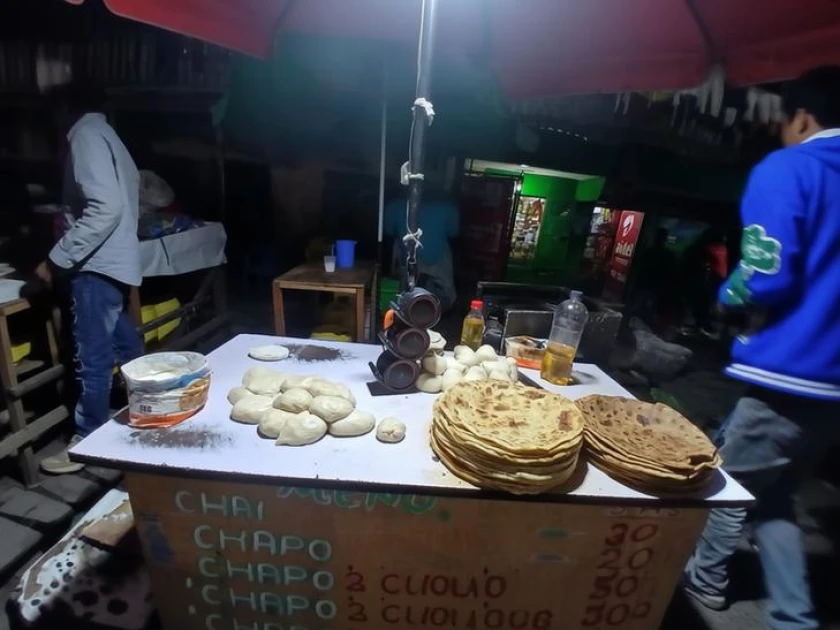
Young people are turning to informal jobs to make ends meet as unemployment continues to rise across Kenya.
Small-scale businesses such as hawking, kiosks and roadside food vending
have become a lifeline, with chapati selling emerging as a popular option.
In the Pipeline, Nairobi
County, a growing number of residents—mostly youth—have embraced chapati
vending as a way to cope with the high cost of living.
Charles Mutungi, who has been in the business for three years, says the trade is attractive due to its low startup costs and ease of entry.
With basic ingredients like flour, oil, and water, and skills
that are quickly learned, many are able to get started with minimal capital.
“This business is easy to start as long as you
have a place to operate and the ingredients,” he says.
Chapatis, widely consumed and affordable, are
in high demand among early morning workers, families seeking low-cost meals,
and informal sector traders. Vendors often begin their day before dawn to meet
this demand.
“I wake up very early to prepare chapati
because many of our customers are people heading to work,” Mutungi explains.
“Chapati is something almost everyone can afford, whether low or high income
earners.”
For many vendors, this business is their sole
source of income, helping them cover essentials such as food, rent, and school
fees.
“On a good day, I earn enough to feed my
family, pay rent, and even school fees,” says Justus Mainga.
However, the traders face persistent
challenges, including harassment from county enforcement officers, commonly
referred to as “kanjos.” Many operate without formal licenses, leaving them
vulnerable to crackdowns, confiscation of equipment, and demands for bribes.
“We are always on the lookout because they can
come and demand money since we are not licensed,” says Gerald Kamau. “Most of
the time, it feels like a game of hide and seek.”
Rising commodity prices also threaten their
livelihoods, as increased costs reduce production, customer numbers, and
overall income.
The traders are now urging the government to formalize street vending, provide affordable licensing, and protect them from constant harassment as they strive to survive in a tough economic environment.
Join the Discussion
Share your perspective with the Citizen Digital community.
No comments yet
This discussion is waiting for your voice. Be the first to share your thoughts!