
UNHCR warns of growing humanitarian needs as 50,000 Ethiopians flee into Kenya
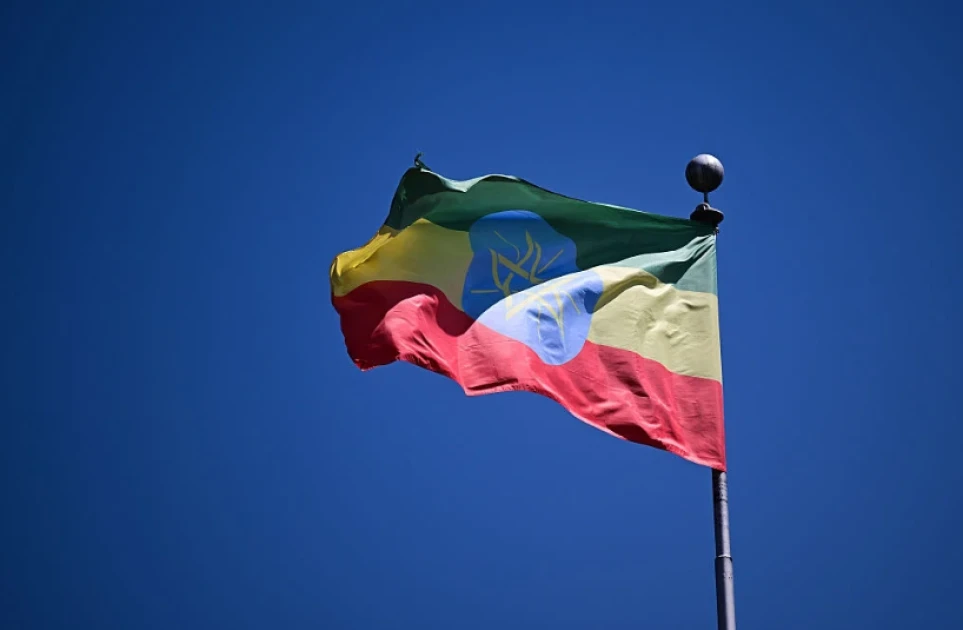
The Ethiopian flag.

Audio By Vocalize
As of October 22, 2026, 50,000 people have been reported to have crossed the border with the estimated figure likely to increase as registration and verification efforts continue, amid reports of further crossings.
“Significant cross-border movements have been reported since 22 October. According to local authorities up to an estimated 50,000 people have crossed into Kenya. The figure remains fluid as registration and verification efforts continue, amid reports of further crossing,” UNHCR stated.
The higher percentage of those fleeing from Ethiopia are Women and Children. According to the authorities some are staying with relatives and host communities, others have sought shelter in temporary locations like schools and churches.
With the rising number of refugees, the UN Refugee Agency says that food remains the most urgent need, alongside safe drinking water, emergency shelter, sanitation and health care. So far, they have mobilised emergency relief supplies, including essential household items and temporary shelter materials, to support nearly 12,000 people, with efforts underway to scale up assistance as needs grow.
They have also deployed an emergency team in Moyale to work closely with the Government of Kenya, through the Department of Refugee Services (DRS) and county authorities, alongside International Organization of Migration (IOM), United Nations Children’s Fund (UNICEF), World Food Programme (WFP), The Kenya Red Cross Society (KRCS) and other humanitarian partners, to support the national and local response.
“We are working with authorities and partners to identify safer accommodation options, further away from the border, for those fleeing violence,” UNHCR said.
Ethiopia, Africa's second most populous country at some 130 million people, is the scene of various armed conflicts across its vast territory.
The borderlands of its various regions, whose tracing dates back to 1991, are often the source of clashes.
Diplomatic disagreements with neighbouring Eritrea have likewise led to fears of another conflict between the fractious Horn of Africa neighbours. Ethiopian forces have pushed towards the Eritrean border in recent weeks.
Those fears were heightened during the Russia-Africa summit in Moscow on Wednesday after Prime Minister Abiy Ahmed announced Ethiopia received 12 Russian fighter jets.
For several years, the Ethiopian government has been locked in conflict with rebel movements in the Oromia and Amhara regions, the country's most populous.
After months of tensions, fighting has also broken out again in the northern Tigray region, already the scene of a devastating war from 2020 to 2022.
Join the Discussion
Share your perspective with the Citizen Digital community.
No comments yet
This discussion is waiting for your voice. Be the first to share your thoughts!