
The impact on oil trading: Geopolitics and Energy Markets
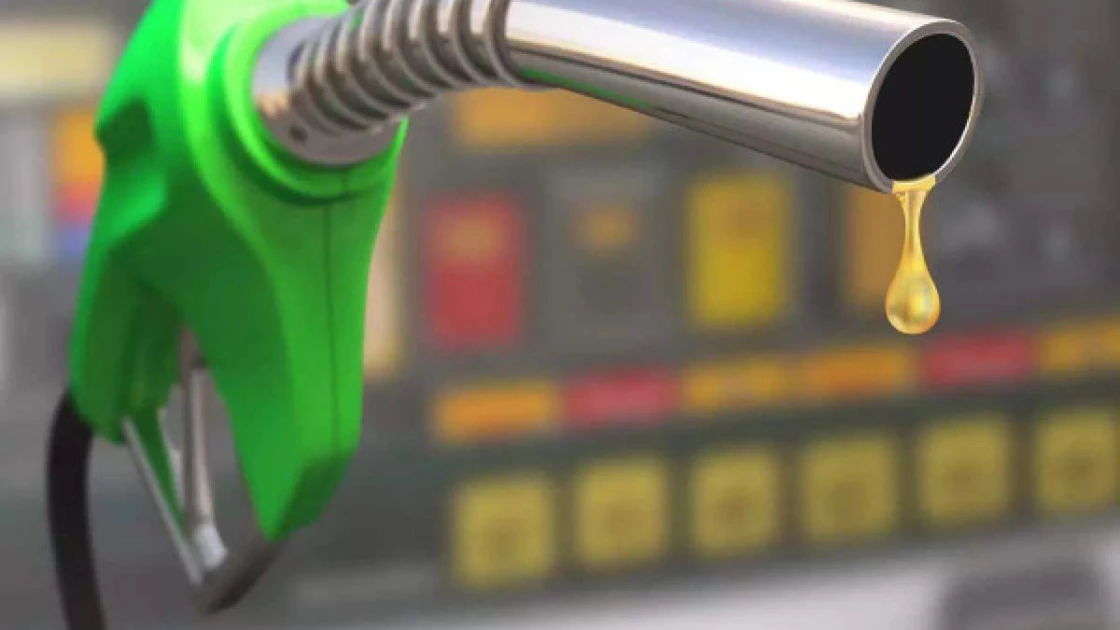
Fuel pump

Audio By Vocalize
Understanding these dynamics is more crucial now than ever, as we stand at the crossroads of the oil era, a pivotal moment in history where our decisions will echo for generations.
This article delves deep into the subject, exploring the multifaceted relationship between geopolitics and oil trading, and uncovering the profound impacts it has had on our world. Go oil-profits.com is essentially defined as a new era of investment education by revolutionizing how individuals perceive, and interact with the financial markets, cutting-edge strategies and resources.
Historical Perspective
To truly understand the modern interplay between geopolitics and oil trading, we must first take a journey through history. The early 20th century saw the emergence of oil as a strategic resource, and nations recognized its significance.
Key milestones, including the two World Wars, the formation of OPEC, and the Cold War, laid the foundation for the geopolitical chessboard we see today. These historical events left lasting imprints on energy markets, shaping alliances, rivalries, and strategies.
OPEC and the Power of Oil Cartels
Established in 1960, the Organization of the Petroleum Exporting Countries (OPEC) serves as a striking illustration of how geopolitics can significantly impact the world of oil trading. Its inception marked the beginning of an influential journey, with its main focus being the coordination of policies among oil-producing nations to maintain oil price stability.
As time has passed, OPEC's ability to adjust production quotas in pursuit of political and economic objectives has allowed it to wield immense influence on the global stage. The ripple effects of OPEC's decisions and its internal dynamics resonate far and wide, leaving an indelible mark on the intricate web of global oil markets.
The Role of Political Conflicts
Geopolitical conflicts have consistently disrupted oil trading patterns. Case studies such as the Iran-Iraq war, the Gulf War, and the ongoing Syrian conflict demonstrate how regional disputes can create turbulence in energy markets.
These conflicts not only lead to supply disruptions but also drive up prices, impacting consumers worldwide. Additionally, oil-producing nations often use these conflicts as leverage in international negotiations.
Energy Security and Strategic Reserves
Energy security has emerged as a critical issue for countries heavily dependent on imported oil. It revolves around the imperative of maintaining a consistent and reliable supply of energy resources, especially during periods of turmoil or emergency.
The linchpin in achieving this objective lies in strategic oil reserves. Governments carefully amass significant stockpiles of oil as a safeguard against the disruptive effects of geopolitical upheavals on their energy requirements. Effective management of these reserves holds the power to not only stabilize energy markets but also to thwart the escalation of crises, ensuring a more secure and stable future for nations.
Evolving Geopolitical Landscape
In today's rapidly changing world, the pressing issues of climate change and the shift towards renewable energy sources are reshaping the geopolitical stage. For nations traditionally reliant on oil production, the future is uncertain as their primary resource loses its lustre.
Meanwhile, emerging economic giants such as China and India are altering the dynamics of global energy politics, emerging as influential actors in the global energy landscape. These developments evoke a sense of urgency and uncertainty, demanding nations to adapt and collaborate in the pursuit of a sustainable energy future for our planet.
Future Trends and Implications
Looking ahead, the interplay between geopolitics and energy markets will continue to evolve. The post-oil era beckons, with renewable energy sources gaining prominence. Technology and innovation are driving changes in how we produce, distribute, and consume energy.
To navigate this complex landscape, governments, industry players, and investors must develop strategies that account for geopolitical risks and opportunities. In doing so, they can secure their energy future and contribute to a more stable and sustainable world.
Conclusion
The relationship between geopolitics and oil trading is a topic of enduring significance. It has shaped the destiny of nations, influenced economic prosperity, and impacted the daily lives of people worldwide.
As we stand at the precipice of a new era in energy, the lessons of history and the dynamics of geopolitics remain essential guides for understanding the future. The intricate dance between politics and oil trading will continue to be a defining feature of our world, demanding vigilance, adaptability, and informed decision-making.
Join the Discussion
Share your perspective with the Citizen Digital community.
No comments yet
This discussion is waiting for your voice. Be the first to share your thoughts!