
Safety or privacy? Debate over CCTV cameras in Utumishi Academy dorms splits Kenyans
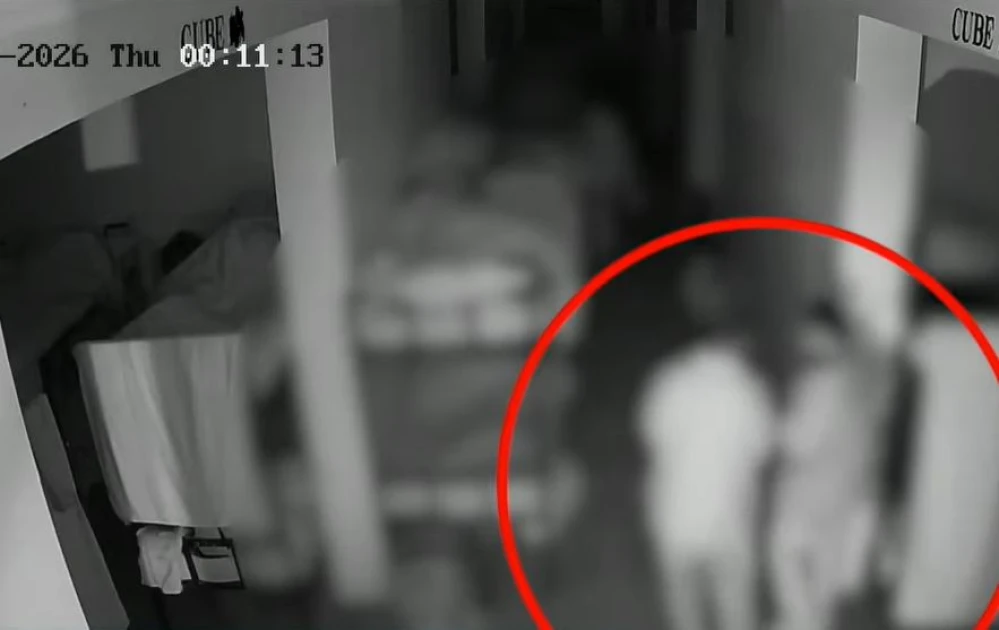
Frame of a frozen CCTV footage showing two suspects behind the Utumishi Girls Academy Fire tragedy on May 28, 2026.

Audio By Vocalize
Reports emerging from the investigation indicate that CCTV footage has become a crucial piece of evidence in reconstructing events leading up to the fire. Authorities have suggested the footage helped investigators identify movements within the dormitory before the incident.
For many Kenyans, this has triggered a divided response.
One side argues that the cameras may have helped uncover the truth and identify those responsible. Others, however, question whether cameras should have been inside a space where children sleep and live in the first place.
The debate raises an important legal and ethical question: Does student safety justify surveillance inside private living spaces?
Kenyan law does not expressly prohibit schools from installing CCTV systems. However, several legal protections could shape how such surveillance is used.
Article 31 of the Constitution protects the right to privacy, while the Data Protection Act regulates the collection, storage, and use of personal data, including images and recordings. The issue becomes more sensitive because the individuals involved are children, who are entitled to additional legal protections.
International children’s law specialist Achayo Baraka says the Kenyan Constitution guarantees the right to privacy for everyone, including minors.
But in the context of schools, the question becomes, what does privacy mean inside a dormitory?
According to the Children’s Law Specialist, a dormitory is where students sleep, rest, and carry out personal routines such as bathing and changing. While it exists within a school, it functions as a private living space for learners and is generally treated as a highly sensitive environment that requires strict protection of dignity and privacy.
“The Constitution of Kenya guarantees the right to privacy for every person, including children. In a school setting, a dormitory is not just a shared space, it functions as a student’s private living area where they sleep, rest, and carry out personal routines. That makes it a highly sensitive environment that requires strong protection of privacy and dignity,” she said.
Experts say that if surveillance is installed in or around such areas, institutions are expected to ensure clear justification, proportionality, and safeguards that protect the rights of children.
This, according to Achayo, includes providing adequate notice to both students and parents about the presence and purpose of surveillance, as well as ensuring that consent and awareness are properly addressed in line with data protection principles.
“Even where CCTV systems are used for safety, schools must ensure they are justified, proportionate, and compliant with the Data Protection Act. Students and parents should also be properly informed so that there is transparency about surveillance in learning environments,” she explained.
She raised a key concern on data governance, who controls CCTV footage, how long it is stored, who has access to it, and under what circumstances it can be reviewed.
“Without clear guidelines, she warns that surveillance systems meant to enhance safety could raise serious privacy and accountability concerns. Education and data protection regulations require that any monitoring measures in learning institutions prioritize the safety, dignity, and best interests of the child, she said.
This creates a possible conflict between two responsibilities schools carry simultaneously, protecting students from harm and respecting their privacy.
Join the Discussion
Share your perspective with the Citizen Digital community.
No comments yet
This discussion is waiting for your voice. Be the first to share your thoughts!