
OPINION: A Kenyan has died in Australia, where is the High Commission?
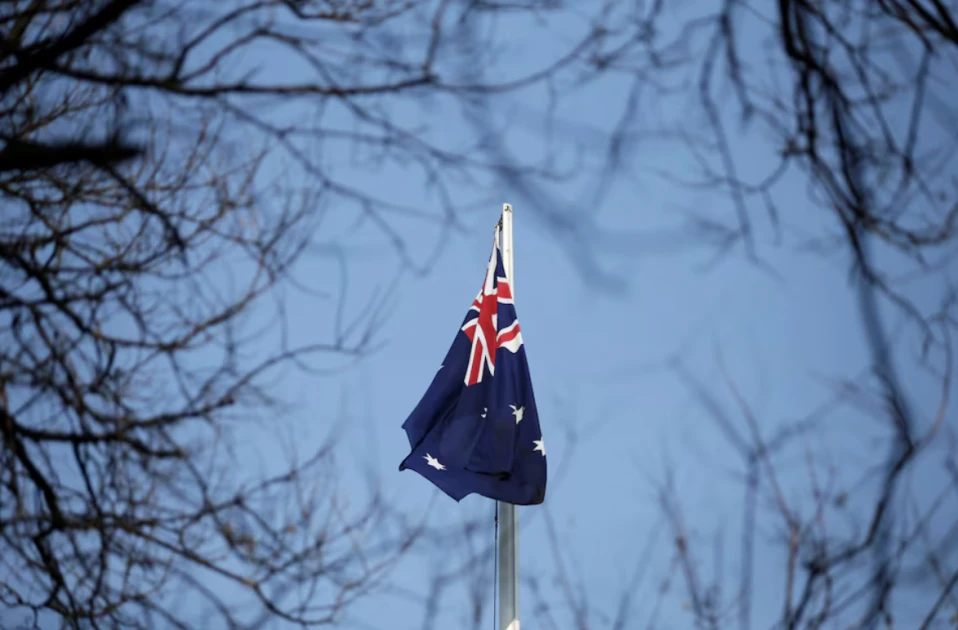
An Australian flag is pictured at its embassy in Beijing, China January 24, 2019. REUTERS/Jason Lee/File photo

Audio By Vocalize
One of my proudest moments living abroad has always been spotting a Kenyan from afar. Sometimes it’s a wristband bearing the colours of our flag. Sometimes it’s a familiar accent overheard in a crowded train station. Often, I never have to speak to the person. A simple smile or nod of acknowledgement is enough to remind me that, even thousands of kilometres from home, I belong to a community.
For many Kenyans in Australia, that sense of community is more than a comforting feeling. It is a lifeline. We support one another through challenges, and take pride in seeing fellow Kenyans pursue opportunities across the world.
That is why one of my most heartbreaking moments abroad came on May 17, when a close friend sent me a message about a Kenyan student who had died while working at Meriton Suites in Sydney.
The news spread quickly through the Kenyan community. At first, we were simply in shock, but soon it gave way to deep grief, disbelief, and a growing need for answers. Every gathering since has carried the weight of this young Kenyan whose life was so suddenly taken. Her family, oceans away, grappling with an unbearable loss, and a community left asking how something so tragic could happen.
As the days passed, many of us instinctively turned to the institution entrusted with protecting Kenyan citizens in Australia; the Kenyan High Commission. We expected visible engagement. We expected public reassurance. We expected to hear that the family had the full support of their government and that Kenyan officials were actively following developments.
Instead, what many in the community encountered was silence and that has become impossible to ignore.
I believe that the role of a diplomatic mission is not merely ceremonial. It is not limited to processing passports, organizing official functions. A High Commission exists to stand with its citizens during moments of crisis. It exists to advance the interest of Kenyans in a foreign country and in such an instance it exists to support, and reassure a concerned public that the life of every Kenyan matters.
Yet in one of the most distressing incidents to affect the Kenyan community in Australia in recent memory, the High Commission has appeared conspicuously absent from public view.
This is not a demand for officials to prejudge investigations or interfere with Australian authorities. It is a demand for leadership. It is a demand for the most basic expression of concern and solidarity.
The painful question many Kenyans are now asking is simple; if the High Commission cannot be seen standing with Kenyans when one of us loses his life, then when exactly does it intend to stand with us?
For years, the Kenyan diaspora has been praised as a pillar of the economy. Politicians celebrate remittances and routinely refer to Kenyans abroad as national assets. But citizenship cannot be reduced to the money people send home. The true test of a government's commitment to its citizens comes when tragedy strikes.
The Kenyan High Commission owes Kenyans in Australia an explanation. It owes the deceased student's family visible support. It owes the broader diaspora evidence that their welfare matters beyond speeches and statistics.
A young Kenyan left home with dreams, ambitions, and the hope of building a future. Today, her family is mourning a devastating loss. The least they deserve is to know that their government is standing beside them.
Until the High Commission demonstrates that commitment, many Kenyans will continue to view its silence as profound failure of duty.
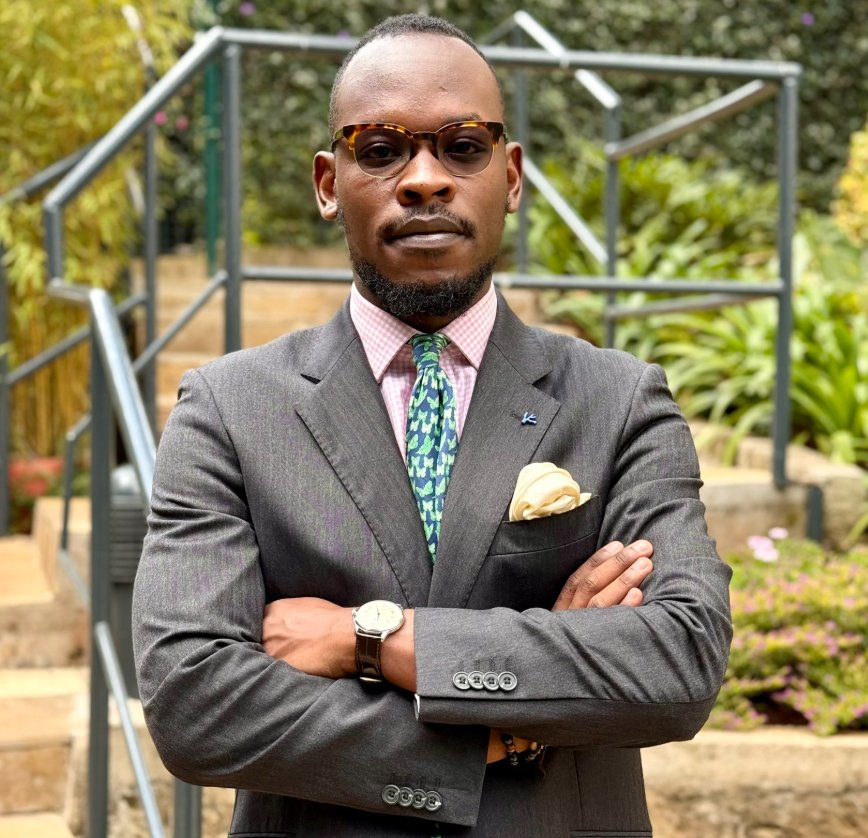
[Dr. David Ouma is a Kenyan living in Australia]
Join the Discussion
Share your perspective with the Citizen Digital community.
No comments yet
This discussion is waiting for your voice. Be the first to share your thoughts!