
Nyandarua farmers urged to embrace dasheen arrowroots to protect wetlands

Audio By Vocalize
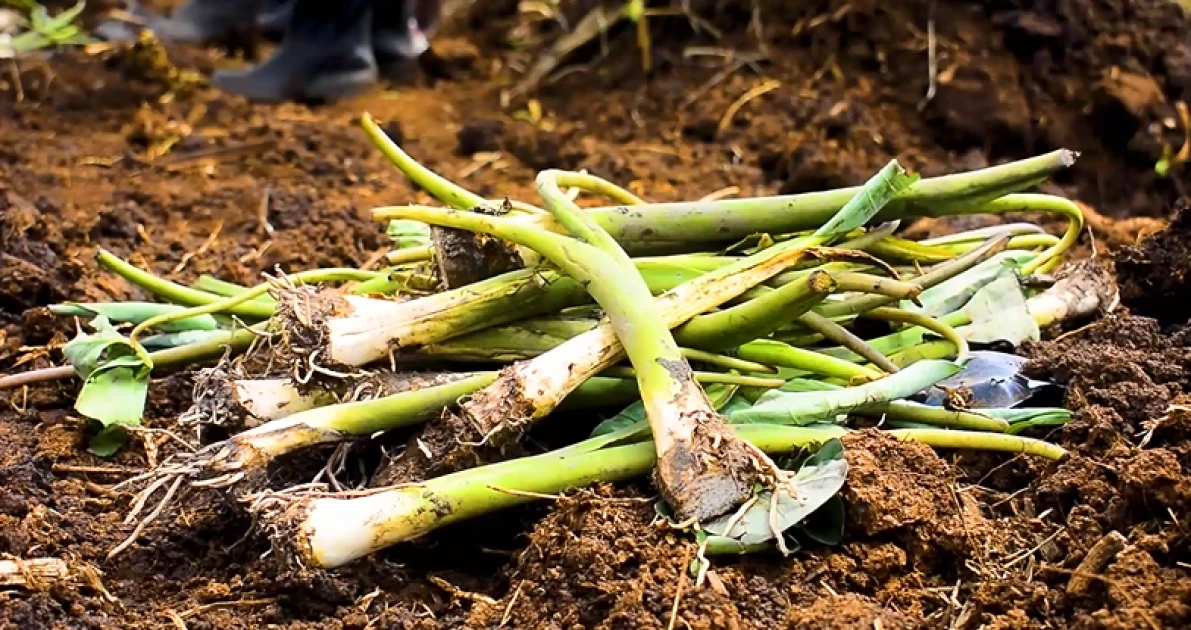
The reason behind this is that Dasheen arrowroots are able to grow on upland farms with significantly less water, allowing them to adapt to changing climatic conditions and drying rivers where traditional swamp-loving varieties can no longer survive.
Common arrowroots normally grow in wetlands and marshy areas since they require a lot of water to thrive.
However, according to conservationist David Warui and Francis Mathaai, it is necessary to encourage farmers to embrace the dasheen arrowroot variety in an effort also meant to conserve wetland areas that serve as habitats for migratory birds such as cranes.
For decades, Wari notes that local growers cultivated indigenous arrowroots in wetlands, a practice that has contributed to habitat loss for aquatic species and the endangered Grey Crowned Crane.
Warui from the Cranes Conservation Volunteers recommends the Dasheen variety because it thrives on upland farms with far less water, allowing agriculture and nature to coexist.
He observed that modern techniques such as organic soil enrichment and low‑labour methods can deliver multiple harvests and higher incomes without encroaching on fragile wetlands.
A project funded by the UK‑based Rufford Foundation, in partnership with Cranes Conservation Volunteers, supports the shift by providing technical assistance and farming equipment to move production off wetlands.
Unlike the indigenous variety that needs marshy conditions and a nine‑to‑thirteen‑month growth cycle, Dasheen adapts to upland and moderately wet soils and matures in five to eight months, enabling earlier harvests.
Local farmers Judy Wambui and Cleris Musa say the new variety challenges the belief that arrowroots can only grow in marshes, opening opportunities for sustainable cultivation near homes.
The initiative illustrates a climate‑smart agriculture pathway that balances food production, economic empowerment and ecosystem conservation amid rising climate pressures.
Join the Discussion
Share your perspective with the Citizen Digital community.
No comments yet
This discussion is waiting for your voice. Be the first to share your thoughts!