
Living with undiagnosed autism: Nyandarua man's mission for early intervention
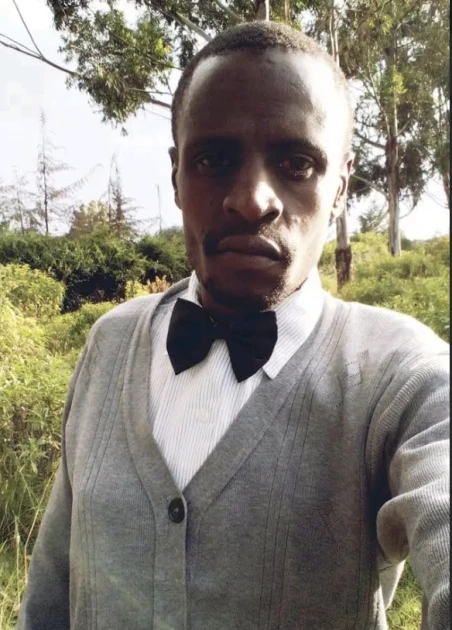
Joseph Gachau, who was diagnosed with autism in his late 20s, is raising awareness about the condition in Nyandarua, hoping that more caregivers will seek medical attention early. /COURTESY

Audio By Vocalize
According to the World Health Organization (WHO), autism is a lifelong neurodevelopmental condition that affects how people communicate, interact socially and experience the world around them. Characteristics often include differences in social communication, repetitive behaviours or routines, and unusual responses to sensory stimuli. While signs may be present in early childhood, many people—particularly in settings with limited diagnostic services—are diagnosed much later in life.
Gachau's experience reflects a broader challenge that disability advocates say persists in Kenya, where access to autism screening, diagnosis and specialised support remains uneven, particularly outside major urban centres.
"I thought I was simply different from other children," he says. "I only understood much later why I experienced things the way I did."
He now believes earlier diagnosis could have helped him better understand himself and access support while he was still in school.
"I think early diagnosis is one of the areas where more can be done," he says, adding that greater awareness could help autistic learners receive appropriate support during their education.
Reliable national prevalence data on autism remains limited in Kenya. However, during debate in the Senate in April 2025, lawmakers cited estimates from the Ministry of Health, the Kenya National Bureau of Statistics and the World Kenya Regional Advisory Committee National Autism Registry suggesting that at least one in every 100 Kenyan children could be living with autism. Based on Kenya's child population, that would translate to more than 200,000 children, many of whom may remain undiagnosed or misdiagnosed.
The need for earlier identification has also been highlighted by recent research. A 2025 study conducted in tertiary hospitals in Nairobi found that many children experience significant delays before receiving an autism diagnosis, underscoring barriers that include limited awareness, lengthy referral pathways and access to specialist services.
This year, Kenya took a step towards improving understanding of childhood development by incorporating the World Health Organization's Global Scales for Early Development into a national health survey for the first time. The tool is expected to generate data that could help policymakers identify developmental challenges earlier and improve services for young children.
Gachau recalls performing well in mathematics and science subjects but says he did not attain the overall grade required for admission to a government-sponsored university programme. He believes additional educational support during his school years may have improved his opportunities, although he acknowledges this is his personal experience.
Today, he documents his lived experiences through writing and creative work, using the platforms to encourage conversations about autism and neurodiversity, particularly in rural communities where awareness remains relatively low.
His hope, he says, is that greater understanding of autism will encourage more families to seek assessment early and help schools, healthcare providers and policymakers strengthen support for autistic learners and adults.
The National Council for Persons with Disabilities (NCPWD) has also acknowledged gaps in services. In 2024, the council launched its first national analytical report on autism and related developmental disabilities, identifying shortcomings in access to healthcare, education and caregiver support while calling for stronger coordination among government agencies and stakeholders.
Globally, the WHO estimates that about one in 127 people is autistic. The organisation says evidence-based early interventions can improve communication, learning and quality of life, and stresses that inclusion in education, employment and community life is essential to ensuring autistic people can participate fully in society.
Join the Discussion
Share your perspective with the Citizen Digital community.
No comments yet
This discussion is waiting for your voice. Be the first to share your thoughts!