
Kenya's university enrolment hits 670,000 as demand for skills-based courses grows
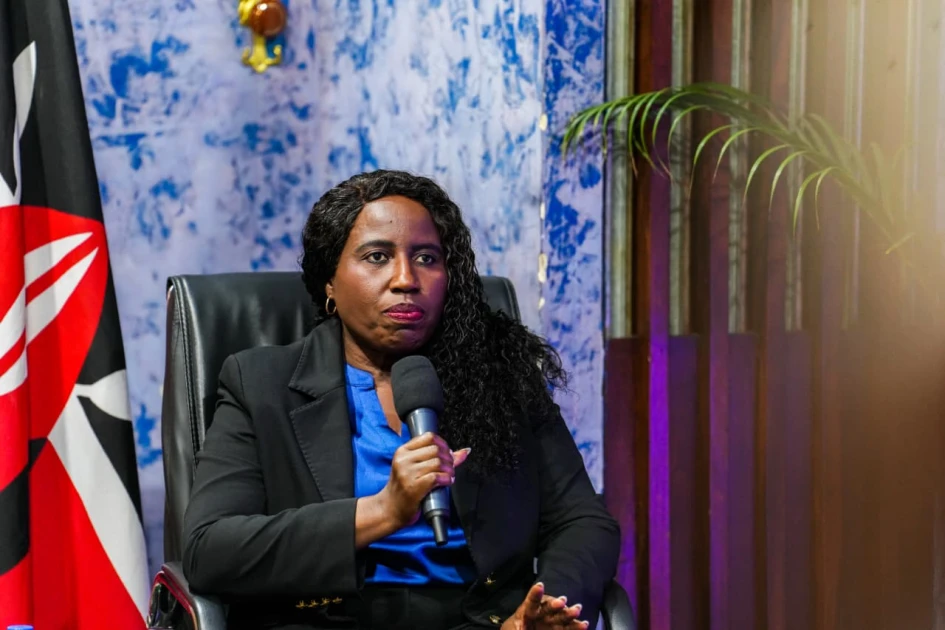
PS Higher Education Dr Beatrice Inyangala.

Audio By Vocalize
Principal Secretary for Higher Education Dr Beatrice Inyangala said the rising enrollment reflects growing confidence in university education as a pathway to employment and economic empowerment.
She noted that more students are choosing courses such as medicine, nursing, law, ICT, and education because of the strong demand for professionals in those fields both locally and internationally.
“The shift in course preferences among university students reflects a changing global trend where healthcare professionals, teachers, and technology specialists are becoming increasingly essential in modern economies,” said Inyangala.
Inyangala urged universities to reform traditional teaching methods by adopting practical, skills-based learning. She called on lecturers to reduce theory-heavy instruction and embrace competency-based and project-driven approaches that better prepare students for the workplace.
“Employers today want graduates who can solve problems, innovate, and adapt to changing work environments rather than simply memorize content,” she said.
She also emphasized that digital skills are no longer relevant only to ICT students, noting that technology now shapes nearly every profession.
Inyangala said professionals in agriculture, finance, medicine, engineering, music, and business increasingly rely on technology and digital systems.
She therefore urged institutions of higher learning to integrate ICT training into all academic disciplines to prepare students for the rapidly evolving job market.
“Graduates with digital literacy and technological skills will enjoy a stronger competitive advantage both locally and internationally,” she added.
Her remarks come as universities across the country prepare to receive Competency-Based Curriculum (CBC) learners into higher education institutions by 2029.
Inyangala said universities are reviewing academic programmes, retraining lecturers, and assessing infrastructure readiness to accommodate CBC graduates.
She added that institutions are paying particular attention to facilities needed for arts, technical studies, creative learning, and practical-based education.
She further revealed that government officials have started collecting data to identify areas that need additional investment and ensure institutions fully prepare for the transition.
Join the Discussion
Share your perspective with the Citizen Digital community.
No comments yet
This discussion is waiting for your voice. Be the first to share your thoughts!