
Gov’t urges school heads to address triggers leading to schools’ unrest

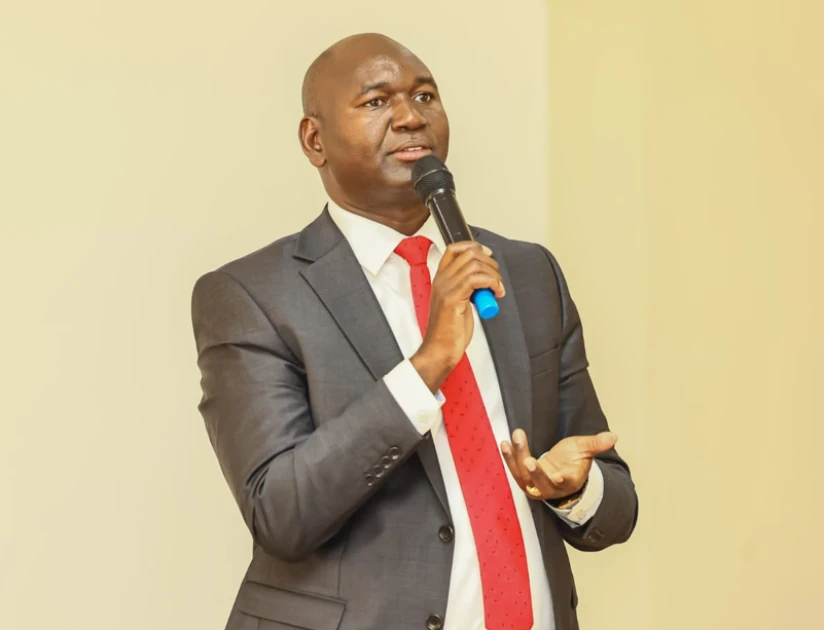
Basic Education Principal Secretary Prof. Julius Bitok speaks in a past address. PHOTO| COURTESY

Audio By Vocalize
The government has urged school heads and education officials to proactively address factors contributing to unrest in learning institutions following reported cases that have disrupted learning in some schools across the country.
Basic Education Principal Secretary Julius Bitok on Thursday
convened a virtual meeting bringing together high school principals, regional
and county education directors, sub-county education officials and senior
ministry officers to discuss interventions aimed at preventing further
disruptions during the current school term.
Bitok noted that the second term has historically
experienced cases of unrest in schools and challenged education officers to
identify and address warning signs early enough.
“We are aware of incidents of unrest in some of our schools, which have unfortunately interfered with smooth learning and the closure of
some institutions. We must be on the lookout for the triggers to effectively
preempt them,” said Bitok.
During the meeting, education officials from different
regions cited weak communication between students and school management,
failure to involve learners in decision-making, harsh disciplinary measures and
pressure related to examinations as some of the leading causes of unrest.
Other factors identified included poor learning
environments, peer influence, drug and substance abuse, social media influence
and ineffective guidance and counselling systems.
The PS thus urged school managers to adopt student-centred
approaches in handling grievances raised by learners.
“Schools must strengthen communication channels between
students, teachers, parents, and administrators to promote trust, openness, and
timely resolution of concerns,” he said.
Bitok further encouraged schools to involve learners in
decision-making processes to help promote responsibility and a sense of
belonging among students.
On discipline management, he cautioned against punitive
approaches that could escalate tensions within schools.
“Discipline should be fair, supportive, and corrective.
Schools must create environments where learners feel heard, respected, and
supported,” he added.
The meeting also called for strengthening guidance and
counselling departments to provide psychosocial support and mentorship to
learners facing academic and emotional pressure.
School administrators were further urged to improve student
welfare, intensify campaigns against drug and substance abuse and promote
responsible use of social media through digital literacy initiatives.
Bitok appealed to all stakeholders in the education sector to support efforts aimed at creating disciplined, safe and inclusive learning institutions.
Join the Discussion
Share your perspective with the Citizen Digital community.
No comments yet
This discussion is waiting for your voice. Be the first to share your thoughts!