
Ganatra targets 5,000 heavy equipment operators across East Africa by 2029
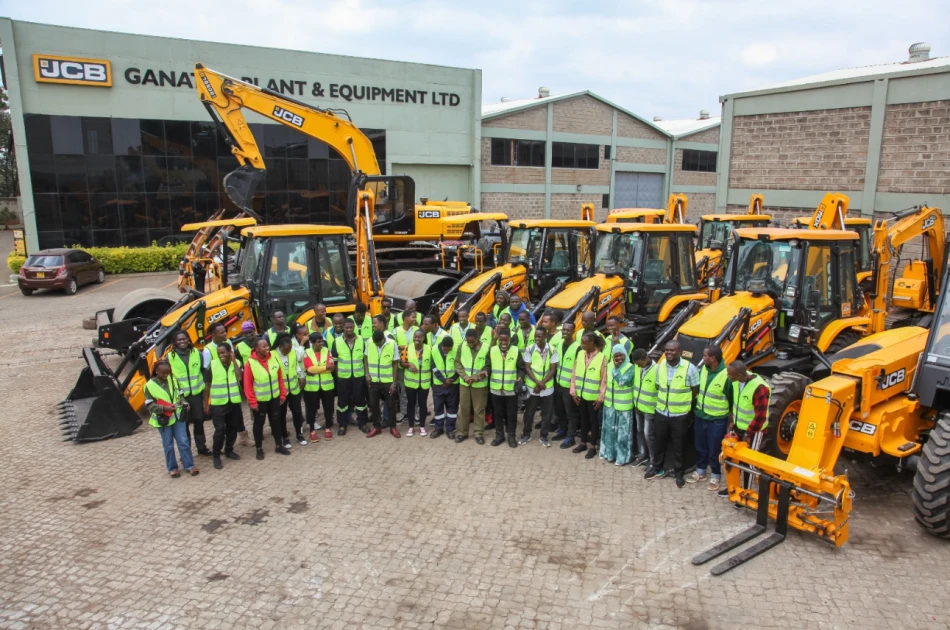
GPTI said the regional expansion is aimed at bridging the skills gap that continues to slow construction projects, increase costs and force contractors to rely on uncertified labour.

Audio By Vocalize
Ganatra Plant and Equipment Training Institute (GPTI) has unveiled plans to train 5,000 certified heavy plant operators across East Africa by 2029 as it marks a decade of operations, citing a growing shortage of skilled personnel in the construction industry.
The institute, which graduated students from Kenya, Uganda,
the Democratic Republic of Congo and South Sudan, says it has trained more than
1,500 operators, mechanics and instructors over the past ten years.
GPTI General Manager Suhhel Yakub said the regional
expansion is aimed at bridging the skills gap that continues to slow
construction projects, increase costs and force contractors to rely on
uncertified labour.
"Every trainee's first hours on a real machine are the most expensive and the most dangerous hours of the entire course. The simulator lets a student make those mistakes in software instead of on twenty tonnes of hydraulics," said Yakub.
He added that the institute's curriculum goes beyond operating machinery by placing emphasis on safety and technical knowledge.
"There is more to this than operations. There is safety. That is why you learn the fundamentals of safety procedures, machine knowledge and operating principles," he said.
GPTI says it is the only training institution in Africa using a European heavy plant simulator, which enables trainees to gain practical experience before handling live equipment, reducing accidents and equipment damage.
The institute, which operates as the training arm of Ganatra Plant and Equipment, Kenya's JCB dealership, has also introduced flexible modular courses that allow trainees to specialise in individual machines or complete accelerated programmes.
Administrator Maggie Kamau said the modular approach was designed to make training accessible to learners with limited time.
"We built the modules so that time stops being the thing that disqualifies you. We arrange the hours around the student," she said.
Kamau noted that every trainee follows the same progression from classroom learning to simulator training and workshop practice before operating heavy machinery.
Yakub also observed a growing number of women enrolling in heavy equipment training, saying the trend demonstrates that the sector is becoming more inclusive.
"This proves that skills and dedication have no gender boundaries. Anyone with the passion, commitment and the right training can succeed," he said.
The institute offers courses in plant operations, heavy plant mechanics, driving and instructor training, with graduates gaining practical experience on live construction sites.
Join the Discussion
Share your perspective with the Citizen Digital community.
No comments yet
This discussion is waiting for your voice. Be the first to share your thoughts!