
Experts call for science-based approach in tobacco law review
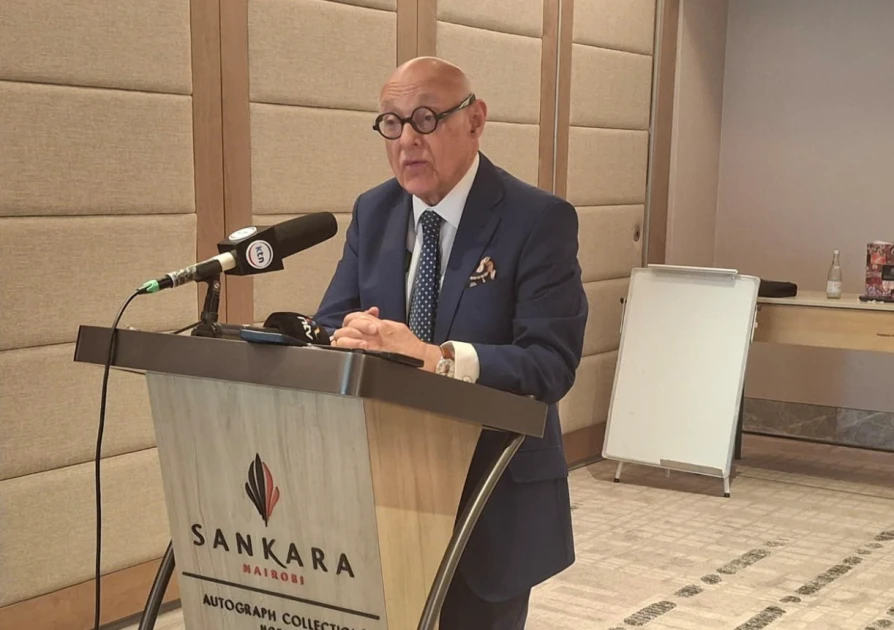
Dr Peter Harper, medical oncologist and cancer specialist speaking to journalists in Nairobi.

Audio By Vocalize
Health experts are urging the National Assembly to ensure Kenya’s proposed tobacco law reflects scientific evidence by distinguishing between combustible cigarettes and smoke-free nicotine alternatives.
The debate centres
on the proposed Tobacco Control Amendment Bill, which seeks to tighten
regulations on the sale, marketing, labelling and access of tobacco and
nicotine products in Kenya.
While supporting
the proposed reforms, experts argue that the legislation should avoid a blanket
approach that treats all tobacco and nicotine products the same despite major
differences in health risk.
Speaking in
Nairobi during a regional scientific forum on tobacco harm reduction and public
health policy, medical oncologist and cancer specialist Dr. Peter Harper said
most smoking-related illnesses are caused by the burning of tobacco and
inhalation of smoke.
He noted that
combustible cigarettes remain the leading cause of lung cancer, heart disease
and chronic respiratory illnesses due to the toxic chemicals produced during
combustion.
In his submission
to Parliament, Dr. Harper argued that the law should clearly separate
cigarettes from non-combustible alternatives instead of regulating them as
though they carry the same level of harm.
Health policy
expert Dr. Vivian Munyeki said the amendment bill is intended to address gaps
that existed in the original tobacco control law, particularly around youth
access restrictions and emerging nicotine products.
She said
stakeholders are advocating for the inclusion of tobacco harm reduction
measures and a regulatory framework that recognises differences between
products.
“We want to
encourage lawmakers not to take a one-size-fits-all approach. Electronic vaping
systems, nicotine products and non-nicotine products should each be regulated
based on their specific characteristics and risks,” said Dr. Munyeki.
She noted that one
of the major challenges facing tobacco harm reduction efforts is public
distrust of cigarette manufacturers, many of whom are also promoting newer
smoke-free alternatives.
According to Dr.
Munyeki, there are also concerns that discussions around harm reduction could
be misconstrued as attempts to normalise smoking or make such products
accessible to young people.
“Some people
perceive tobacco harm reduction as an effort to make smoking acceptable among
the youth, which is not true,” she added.
Experts at the
forum also cautioned lawmakers against ignoring the behavioural realities faced
by smokers, noting that many adult smokers struggle to quit nicotine entirely.
Harm reduction
advocates say public health policy should provide practical pathways away from
cigarettes rather than relying solely on abstinence-based approaches.
They pointed to
Kenya’s previous adoption of harm reduction measures such as needle exchange
programmes and opioid substitution therapy, arguing that tobacco policy should
similarly be guided by evidence and public health outcomes.
The Nairobi
meeting brought together health experts from Kenya, Uganda, Tanzania, Rwanda
and other regional markets to discuss tobacco harm reduction and evolving
public health policies in Africa.
Join the Discussion
Share your perspective with the Citizen Digital community.
No comments yet
This discussion is waiting for your voice. Be the first to share your thoughts!