
Energy: Why Salaam’s Fuelstor hub marks a new era for eastern Africa

Audio By Vocalize
Officials said on Tuesday that the project is expected to enhance regional fuel security by improving storage and redistribution capacity for East African markets that depend heavily on imported petroleum products.
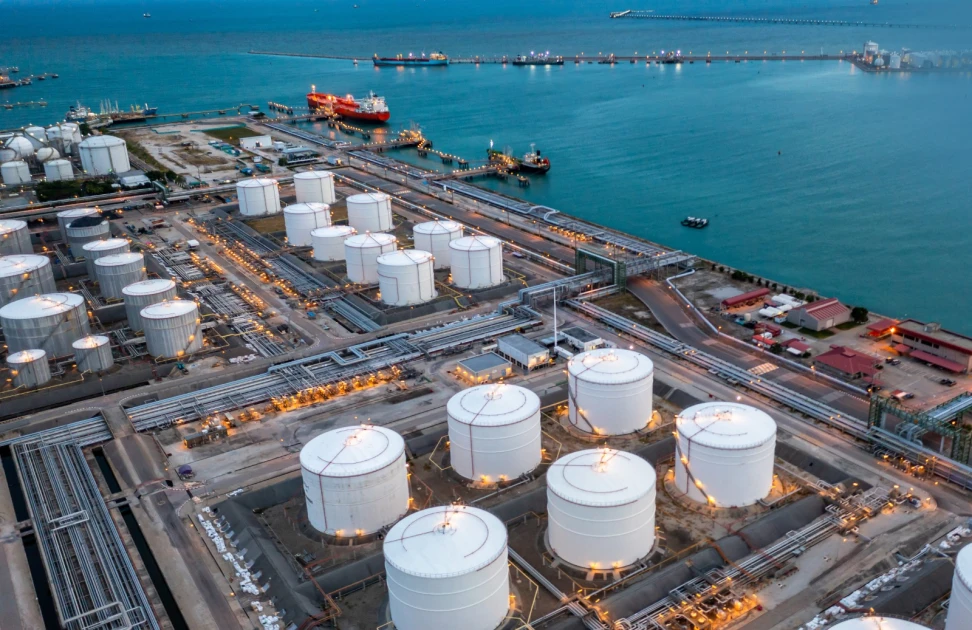
The Fuelstor Terminal, located in the Damerjog industrial corridor and linked to the Salaam Group, will have a storage capacity of 400,000 metric tonnes and will handle petroleum products, liquefied petroleum gas (LPG), edible oil and other commodities.
The groundbreaking ceremony brought together government officials, industry executives and international partners, highlighting Djibouti’s role as a regional logistics and energy hub. Fuelstor General Manager Houssein Ahmed Houmed described the project as a strategic investment for the region’s energy sector.
“This project represents a defining milestone for Fuelstor and a significant step forward for the region’s energy and logistics landscape,” Mr Houmed said during the launch ceremony. He added: “Terminal is uniquely positioned to become a key gateway connecting global supply markets to growing demand across East Africa.”
The facility is being developed on a 22-hectare site in Damerjog, an area that has become central to Djibouti’s industrial and logistics expansion plans because of its proximity to major maritime trade routes and Ethiopia’s transport corridor.
East African countries including Kenya, Uganda, Rwanda, South Sudan and Ethiopia rely largely on imported fuel shipped through regional ports, leaving them vulnerable to global supply disruptions and fluctuations in oil prices.
Analysts say expanding fuel storage infrastructure could help stabilise supplies during periods of geopolitical tension and shipping delays by improving reserve capacity and distribution efficiency.
Djibouti has increasingly positioned itself as a strategic gateway linking Africa to markets in the Middle East, Asia and Europe. The country serves as the main maritime trade route for landlocked Ethiopia, one of Africa’s fastest-growing economies.
The Fuelstor project is expected to reinforce Djibouti’s position in regional energy trade by supporting the storage, trading and redistribution of petroleum products across the Horn of Africa and East Africa. Construction of the terminal is being undertaken by engineering firm Somagec, which specializes in industrial and maritime infrastructure projects.
The investment, backed by the Salaam Group, is also expected to create hundreds of jobs during the construction and operational phases while supporting local skills development and economic activity.
The project comes as East African economies continue to record rising demand for fuel products driven by urbanisation, industrial growth and expanding transport networks. Fuelstor said the terminal is part of a long-term strategy to build resilient infrastructure capable of supporting future regional trade and energy needs.
Join the Discussion
Share your perspective with the Citizen Digital community.
No comments yet
This discussion is waiting for your voice. Be the first to share your thoughts!