
Egypt raises most household power tariffs by average 12%
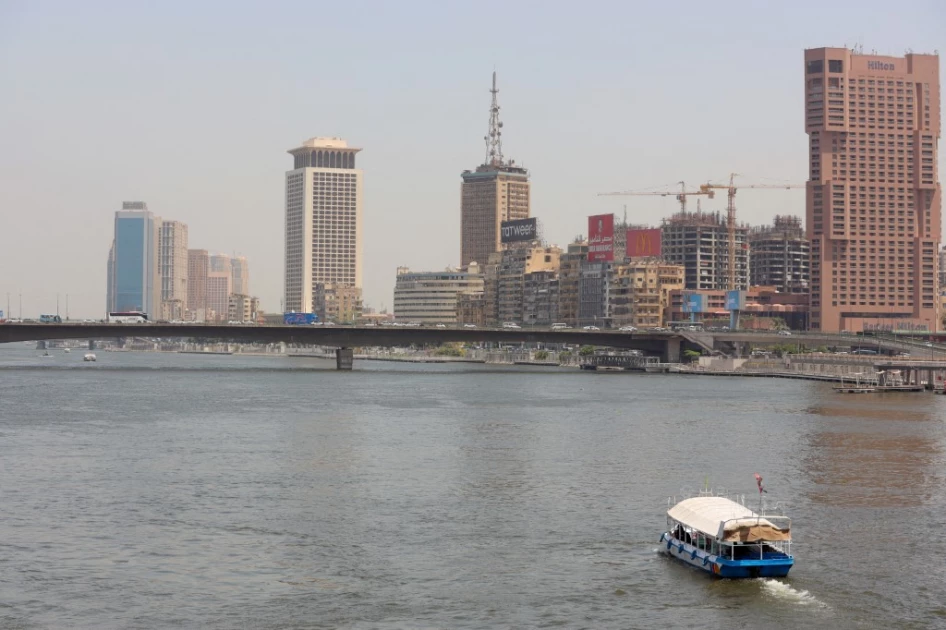
People are walking on the Qasr Al Nile Bridge during a sunny day in Cairo, Egypt, on May 16, 2024. (Photo by AFP)

Audio By Vocalize
The ministry said it approved the new accounting tariff "in a bid to ensure the stability of power supply and the financial sustainability" of Egypt's electricity and renewable energy network, covering production, transmission and distribution.
Egypt covers roughly 100 billion pounds a year ($1.9 billion) to bridge the gap between production costs and consumer tariffs, with the state subsidy share shrinking as household consumption increases.
Customers pay 25% of their bill at 50 kWh monthly usage, rising to around 50% at 300 kWh, roughly 60% at 500-600 kWh, and 88% for usage between 700-1,000 kWh. Households consuming 2,000 kWh pay the full cost with no subsidy, according to the ministry.
Egypt had raised electricity prices for higher-use residential consumers and commercial users in April by an average of 16-20%, citing a global energy crisis linked to the war in the Gulf region, which more than doubled Egypt's energy import bill.
The recent increase follows an unclaimed drone attack that caused damage to one of Egypt's four Floating Storage Regasification Unit (FSRU), prompting the government to switch to using the pricier fuel oil at a time of peak summer demand of about 37-39 GW.
(1 Egyptian pound = $0.02)
Join the Discussion
Share your perspective with the Citizen Digital community.
No comments yet
This discussion is waiting for your voice. Be the first to share your thoughts!