
CS Wandayi says Turkana Oil production to go commercial by end of 2026
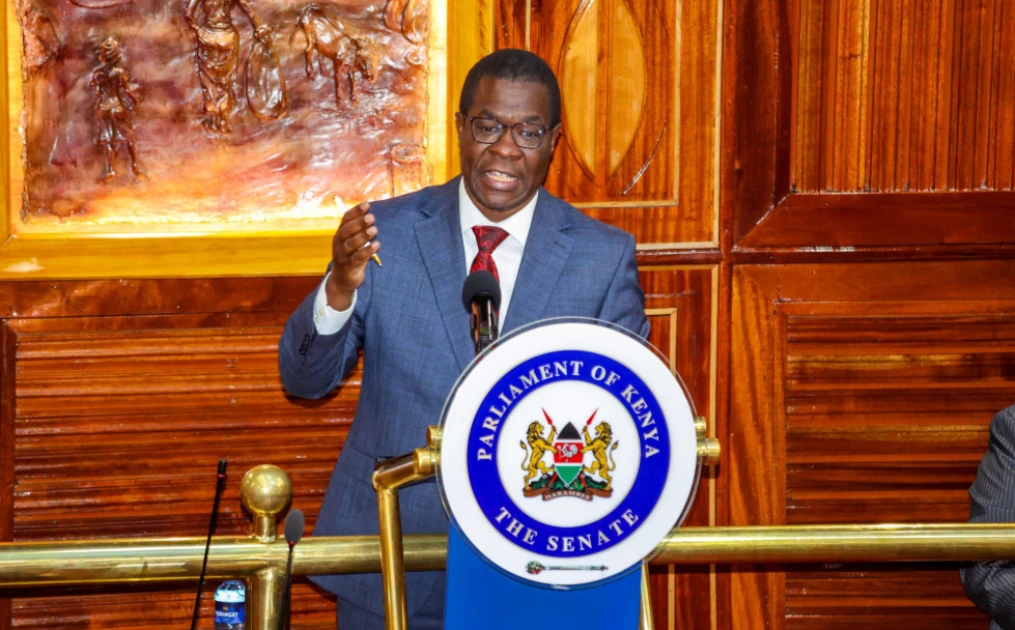
Energy Cabinet Secretary Opiyo Wandayi

Audio By Vocalize
Addressing the Senate plenary on Wednesday, CS Wandayi intimated that the oil drilling in South Lokichar, Turkana County, will see an upward progression of daily barrel production as the current oil quantities produced from the facility are not adequate to run a commercial refinery.
"From the beginning we shall be producing about 20,000 barrels per day, which will progress to some 50,000 barrels per day," he said.
"Petroleum economics tell us that we need some 300,000, 500,000 barrels per day to run a refinery viably."
He defended the proposed East African refinery investment in Tanga, Tanzania, saying it makes more commercial sense than upgrading the now defunct
Changamwe oil refinery, located in Mombasa, ceased crude oil processing in September 2013 due to commercial unviability and ageing infrastructure. It now stores imported products, including LPG, premium petrol, and diesel.
"That informs the reason, the justification and the basis for the plan to establish a refinery in Tanga that will not only serve Kenya but also the other neighbouring countries. It’s basically business logic," he said.
The South Lokichar oil project, now under Gulf Energy, aims to develop millions of barrels of recoverable oil and export about 25,000–80,000 barrels per day via a planned pipeline to Lamu port in Mombasa.
The move to invest in local and regional oil production was prompted by the need to cut dependence on imports from the Middle East and other suppliers.
The proposed facility in Tanga is set to cost about USD 20 billion (Ksh.2.58 trillion) and will be expected to provide a sustainable solution for the growing fuel demand in Eastern Africa.
It will also cushion the region from external shocks like the war between the United States and Iran, which has significantly affected fuel prices.
Join the Discussion
Share your perspective with the Citizen Digital community.
No comments yet
This discussion is waiting for your voice. Be the first to share your thoughts!