
Acorn student housing REITs post Ksh.1.52B profit as assets grow to Ksh.29.3B

Audio By Vocalize
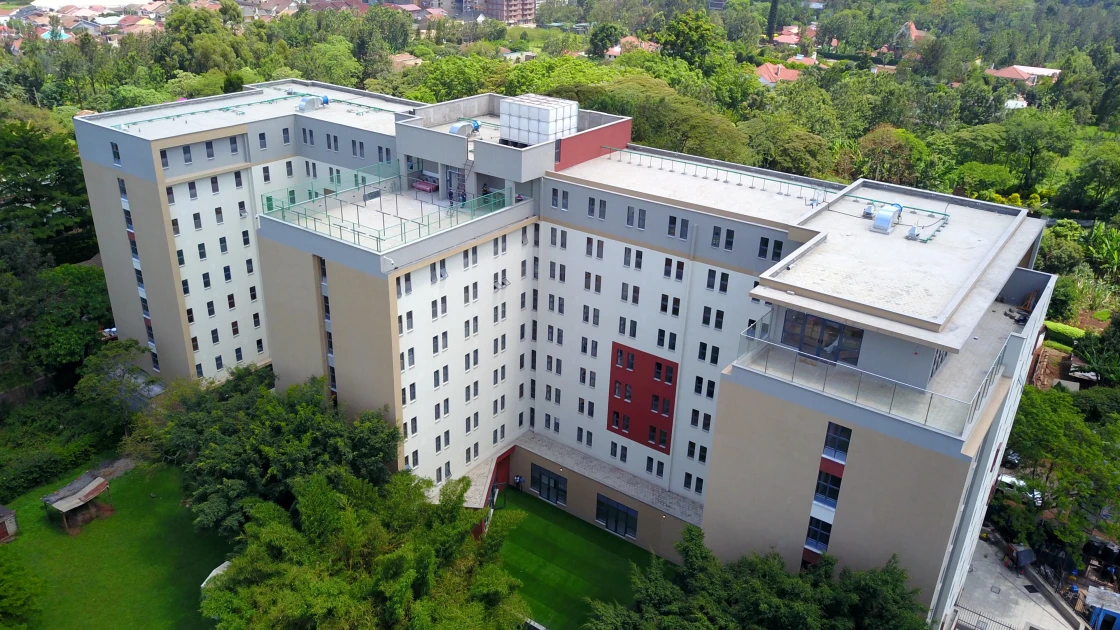
The growth was driven by stable returns from mature income-generating assets under the Acorn Student Accommodation Income REIT (ASA I-REIT) and improved occupancy in newly opened properties under the Acorn Student Accommodation Development REIT (ASA D-REIT).
Financial statements released by the fund manager show that total assets under management across the two REITs rose by 11 per cent to Ksh.29.3 billion, from Ksh.26.4 billion in 2024.
Acorn’s combined portfolio of completed and development-stage student accommodation beds now stands at just under 21,000, underscoring the continued expansion of its purpose-built student housing business.
The stronger earnings come at a time when the real estate sector continues to navigate a tight capital environment, with investors increasingly favouring government securities over alternative investment products such as REITs.
I-REIT posts stronger earnings
The ASA I-REIT, which holds stabilized and income-producing student accommodation assets, recorded comprehensive income of Ksh.670 million in 2025, compared to Ksh.555 million the previous year — a 21 per cent increase.
According to Acorn, the performance was supported by stable operations across its core assets and a deliberate debt management strategy aimed at lowering financing costs.
The I-REIT did not acquire new assets during the year, but its existing portfolio continued to generate steady returns, helping lift profitability.
The trust is expected to resume expansion in 2026 through the acquisition of additional assets from the development REIT, alongside efforts to improve efficiency and optimize debt.
D-REIT shifts from expansion to consolidation
The ASA D-REIT, which focuses on developing and stabilizing student accommodation assets before eventual transfer to the income REIT, posted comprehensive income of Ksh.854 million, up slightly from Ksh.839 million in 2024.
Its earnings were supported by rental income from three new properties opened in the second half of the year.
However, the REIT’s performance also reflects the pressures facing the property investment market, particularly the challenge of raising capital in an environment where high-yield government paper has drawn investor interest away from listed and unlisted real estate vehicles.
In response, Acorn said the D-REIT has moved away from an aggressive growth model and will instead focus on consolidation and debt reduction.
As part of that strategy, the REIT plans to transfer three stabilized assets to the I-REIT in 2026. These include Qwetu Karen and Qejani Karen in the first half of the year, followed by Qwetu Chiromo in the second half.
The move is expected to help the development REIT reduce leverage while allowing the income REIT to expand its base of yield-generating properties.
Focus turns to debt and asset performance
Commenting on the results, AIML Executive Director Mathew Maina said the two REITs had maintained operational stability despite broader macroeconomic pressures.
“Despite prevailing macroeconomic headwinds, the ASA REITs have maintained stable operational performance, supported by good occupancy and continued focus on balance sheet management.”
He said the company is now prioritising lower borrowing costs and improved asset-level performance to strengthen income quality and support investor returns.
Beyond financial performance, Acorn also reported improved sustainability scores for both REITs. The ASA I-REIT received a 4-Star GRESB rating, while the ASA D-REIT earned a 5-Star rating in their respective peer categories.
The results reinforce Acorn’s position in Kenya’s student housing market, even as the REIT sector continues to face pressure from tighter liquidity, weak investor appetite and competition from government securities.
Join the Discussion
Share your perspective with the Citizen Digital community.
No comments yet
This discussion is waiting for your voice. Be the first to share your thoughts!