
14 African countries announce support for Africa digital inclusivity standard harmonisation

Audio By Vocalize
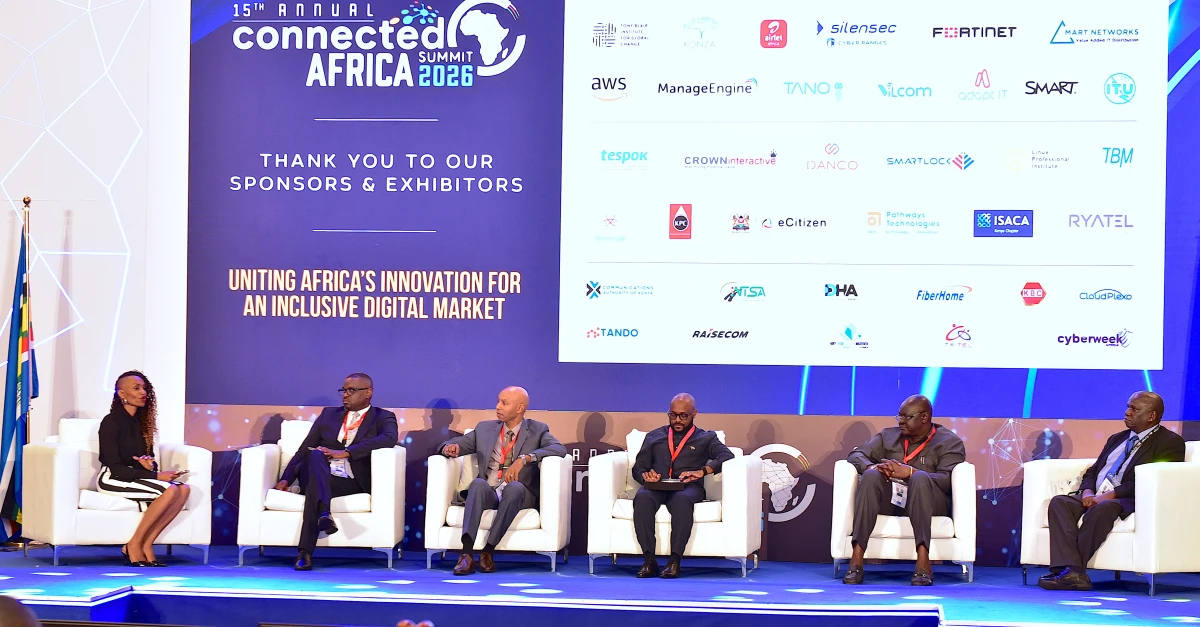
The commitment was announced during the Ministerial Roundtable on Digital Inclusion at the closing ceremony of the Connected Africa Summit 2026, which brought together representatives from Kenya, Angola, Chad, Malawi, and South Sudan, among others.
Digital accessibility for persons with disabilities centres on designing and developing digital products and services that can be perceived, understood, navigated, and used effectively and independently by all users. This includes ensuring that websites, mobile applications, software, online platforms, ATMs, and payment systems are accessible to individuals with visual, hearing, physical, speech, cognitive, or neurological impairments.
The harmonisation initiative is being spearheaded through a strategic partnership between inABLE and the African Organisation for Standardisation. It aims to deliver Africa’s first unified digital accessibility standard for ICT products and services—one tailored to the continent’s unique context, including infrastructure limitations, linguistic diversity, varying connectivity levels, and lived user experiences.
Speaking at the closing session, William Kabogo, Cabinet Secretary for the Ministry of ICT and the Digital Economy, underscored the urgency of embedding inclusivity in Africa’s digital transformation. He noted that as the continent’s digital economy expands, it is critical to ensure persons with disabilities—who often face systemic barriers—are not left behind.
Reuben Kisore, Technical Director at ARSO, reaffirmed the organisation’s commitment to advancing harmonised standards. He said a unified framework would promote interoperability, enhance consumer protection, and enable African technologies to meet consistent accessibility benchmarks across markets.
“Currently, 14 countries have confirmed participation in the harmonisation process, with more expected to join,” he said.
Ângelo Miguel Buta João, Angola’s Secretary of State for Telecommunications and Information Technologies, called for stronger continental collaboration. He emphasised that aligning Africa’s standards with global benchmarks would boost competitiveness, support cross-border innovation, and position African technologies for entry into international markets.
Meanwhile, Ateny Wek Ateny, Minister of Information, Communication Technology and Postal Services of South Sudan, confirmed his country’s commitment to the initiative. He pointed to South Sudan’s affirmative action policy, which allocates 10 per cent of opportunities to persons with disabilities, and stressed the role of harmonised standards in strengthening inclusive digital development.
Join the Discussion
Share your perspective with the Citizen Digital community.
No comments yet
This discussion is waiting for your voice. Be the first to share your thoughts!