
'Meals cooked while hiking': The different experiences while climbing Mount Kenya
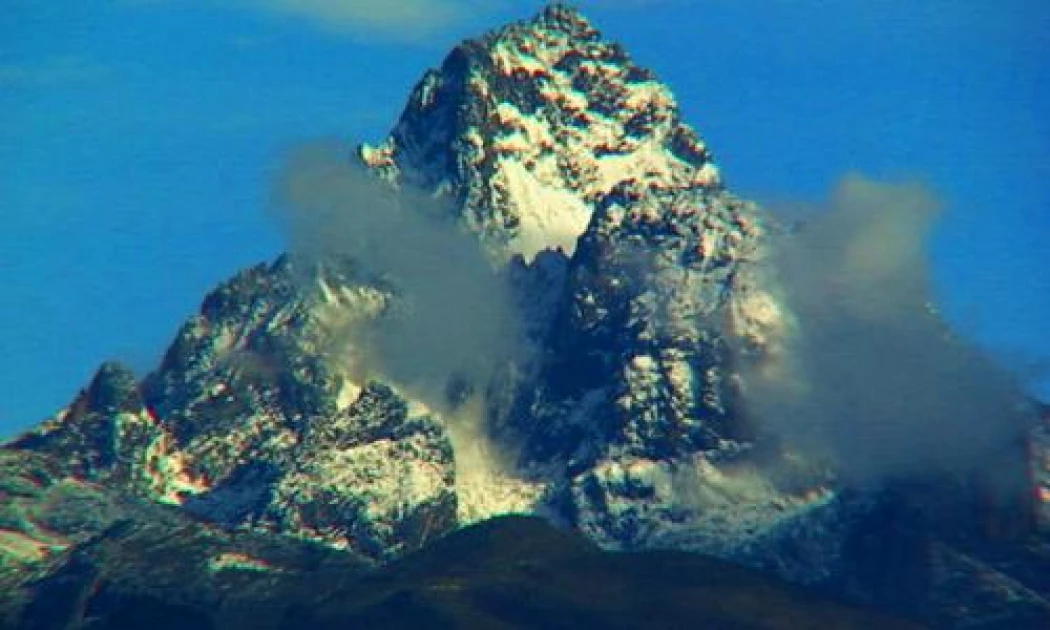
Mt Kenya. /KWS

Audio By Vocalize
There’s something inherently captivating about the world’s mountains.
Their sheer majesty, serene isolation, and daunting heights have drawn explorers, adventurers, and nature enthusiasts for centuries.
Mount Kenya, which is 5199m high, is East Africa’s second highest mountain, and Kenya’s highest mountain.
It is often cited as being good for hiking adventures.
People choose it as their preferred destination to unwind, while at the same time getting the benefits of physical activity.
Speaking to Wananchi Reporting, Brenda Idza, who has scaled the mountain
with her boyfriend to the third highest peak, Lenana, narrates her experience:
“For me, the decision to hike the mountain came as a no-brainer, I was just given a call that was more like an invitation and I accepted the invite and went for the hike. I didn’t even prepare for the experience by going for pre-workouts. I just went.”
Brenda says that the hiking process took them three days and two nights, which she said was draining, but adds “it was one for the books.”
“We hiked for about 9 kilometers on the first day, the views were really good. I was not prepared for that amount of exhaustion; my legs were killing me. We arrived at the place where we were to take a rest and we pitched our tents and rested awaiting the next day’s adventure.”
Brenda and her boyfriend said they didn’t have to worry about carrying food for the journey, adding, “There were cooks who would walk with us carrying huge bags that had what we were to eat and stoves to prepare
the food.”
“I never expected the food to be a whole delicacy with a starter, main course, and dessert. The food was amazing and well deserved after the long treks.”
Brenda recalls the journey being interesting, a journey that she termed as walking in the wilderness.
She remembers coming across gazelles and other animals.
“We would wake up at 6am and walk all the way to 6pm, a total of 12 hours, taking 10-minute breaks every now and then where we would take some water and rest as we prepare ourselves for more walking.”
“For me, the worst part of the trip was walking, but the views were breathtaking.”
Apart from catching a cold, Brenda was also at risk of getting mountain sickness which luckily she did not experience because she had been taking medication.
“I used to take medicine in the morning, afternoon, and evening before I sleep to prevent me from feeling the nausea, headaches, and loss of appetite. I was lucky I didn’t experience it. It is something that people ought to be more aware about,” she says.
According to Kenya Wildlife Service, here is what you need to consider in case you are planning to go hiking:
All visitors should enter the park with a qualified and certified guide. Guides and potters have identification cards issued by the park management.
Disposable plastic water bottles are not allowed in the park.
Guides and potters are not allowed to carry luggage that exceeds 25kg. Weighing of luggage will be done at the gate on entry.
All visitors are required to check in and out of the park, this is done by recording personal information in the entry and exit books
Join the Discussion
Share your perspective with the Citizen Digital community.
No comments yet
This discussion is waiting for your voice. Be the first to share your thoughts!