

How Moscow is enhancing food security through technology and innovation

Audio By Vocalize
The Russian Federation has in recent times been keen on enhancing its foreign policy in Africa, which involves a multifaceted approach that includes, among others, economic partnerships, especially in agriculture and food security.
Through this partnerships, Russia invited a group of business journalists from partner countries in Africa for a week-long food security tour in Moscow and Yaroslavl, two of the key cities in the Russian Federation, to have a first hand experience of how the federation is deploying technology, research and manufacturing to enhance food security not just for its citizens but also for the partner countries.
The tour began with a food security forum at the Chamber of Commerce and Industry of the Russian Federation in Moscow. Discussions at the forum were centred around food security in the modern day world, the initiatives the Russian Federation has rolled out to enhance food security in the wake of inhibiting factors such as climate change and poor infrastructure, or lack of it, and how African countries can position themselves to be food sufficient.
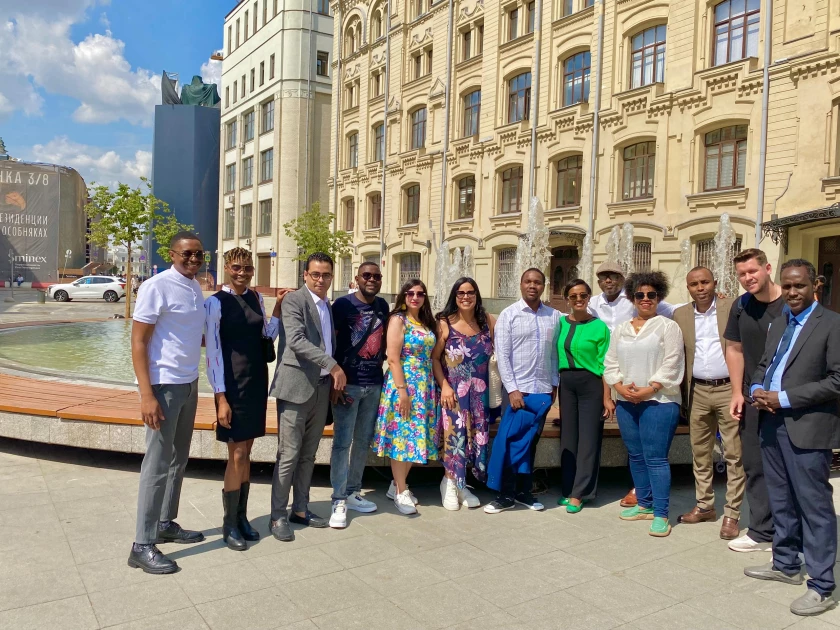
Andrey Dalnov, a food security expert at the Russian Agrarian Bank, and one of the keynote speakers at the forum, said that there will be many factors affecting food security, among them climate change, and that African countries will be mostly affected because of their geographical location, and scarcity of of resources and the know-how to plan, harvest, store and preserve farm produce.
Dalnov called for strategic partnerships between Africa and the Russian Federation to solve the emerging problems in food security. This could include sharing of modern technology in agriculture, building of proper storage facilities in the partner states and continuous research on climate resilient crops engineered for the African agricultural conditions.
During the forum, it was unanimously agreed that there is a need for continuous research and innovation in agriculture and a mindset/culture shift among farmers/producers. African youth were also called upon to embrace agriculture as a source of livelihood, rather than leaving it to the old folk as a retirement plan.
The second day of the tour was marked with a visit to the Russia State Agricultural University in Moscow, the biggest university in Russia purely dedicated to agricultural studies.
The university deploys technology such as artificial intelligence (AI) and virtual reality (VR) to research extensively and intensively on the latest best agricultural practices; developing crops resilient to climatic changes, grafting new fruit varieties and developing different crop varieties that are resistant to pests and diseases.
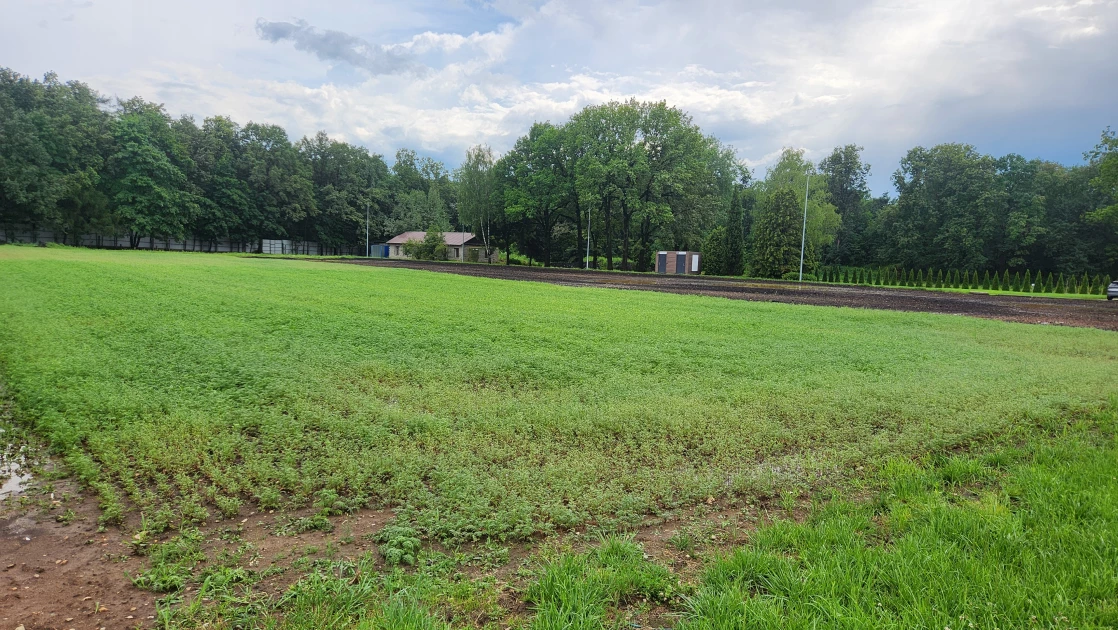
Further, the university has several acres of land where it is growing different fruit varieties developed in its labs, and which it uses for R&D purposes, as well as feeding the university population.
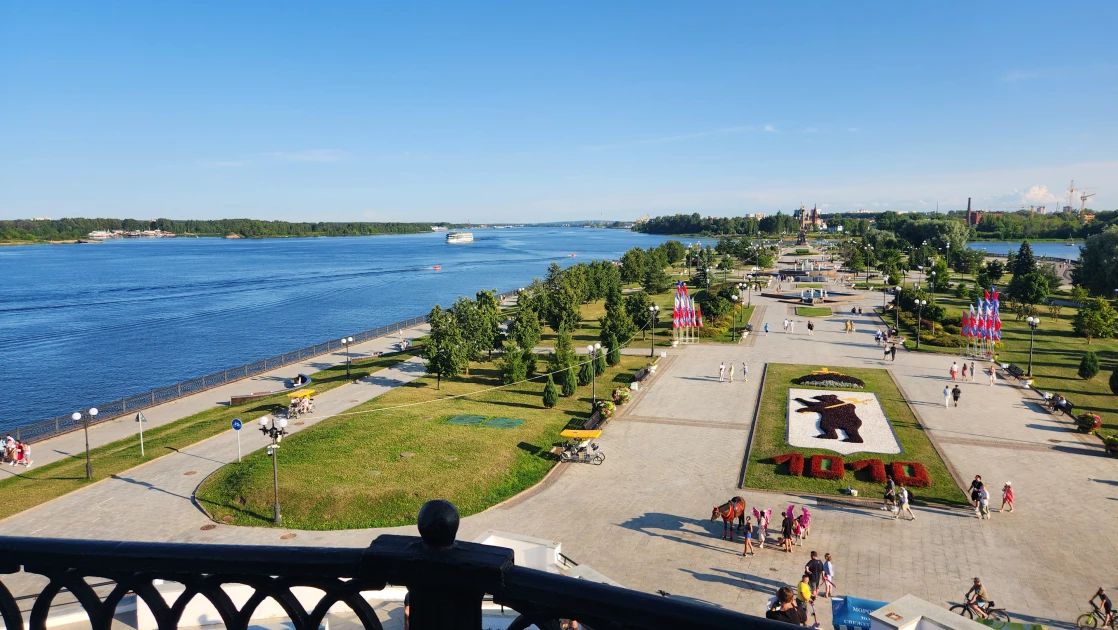
The tour further saw a visit to Yaroslavl, a UNESCO world heritage city 250km northeast of Moscow, which also is a key point for Russia’s industrialisation. The Volga River, which runs through Yaroslavl, has for decades served as a key point for the arrival of industrial material for the Russian Federation.
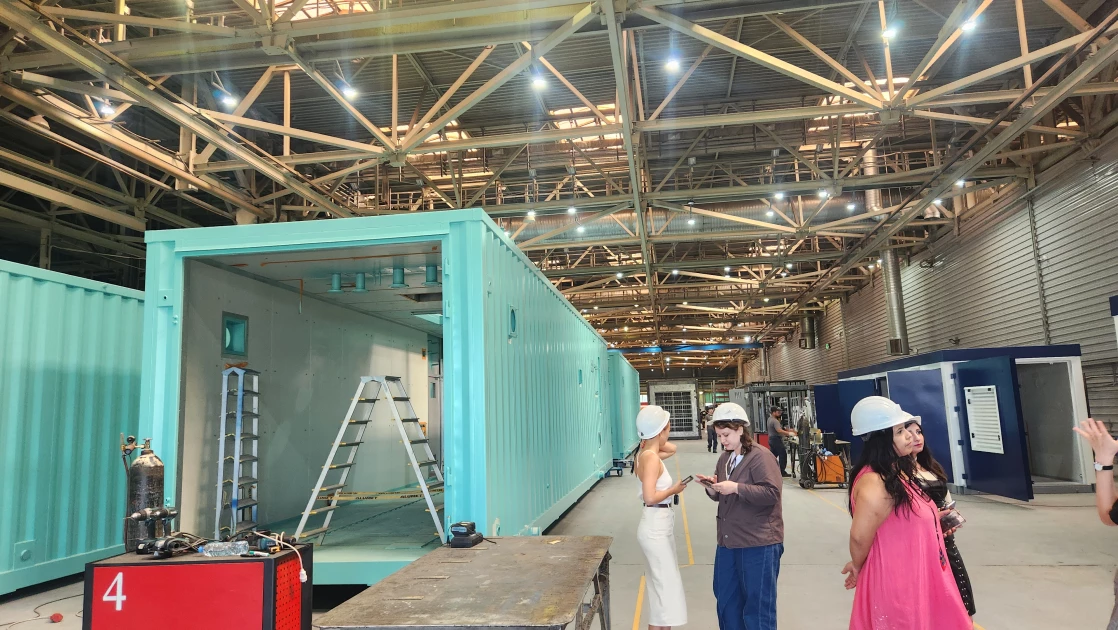
It is perhaps one of the reasons why Russia has built factories here. One of them is PSM, a manufacturing plant that designs and manufactures energy and pumping equipment. PSM has employed over 600 people, with an annual turnover of more than £114M. The equipment manufactured here is exported to African countries such as Angola, Kenya, Guinea, Uganda and Ethiopia, and other parts of the world.
Other initiatives include scholarships for African students to study at the Russia State Agricultural University, to study agritech and innovation. The university says there are currently at least 100 students from Africa who are rigorously getting trained on modern agricultural practices, and are helping develop crop varieties adapted to the African climatic conditions.
These are some of the many initiatives the Russian Federation has rolled out to enhance food security within its borders and also for its African partners.
The federation is keen on strengthening its relationship with Africa and expanding its foreign policy in the continent, one of the areas being sustainable food security for the continent.
Leave a Comment