
Why more Kenyans are borrowing to survive
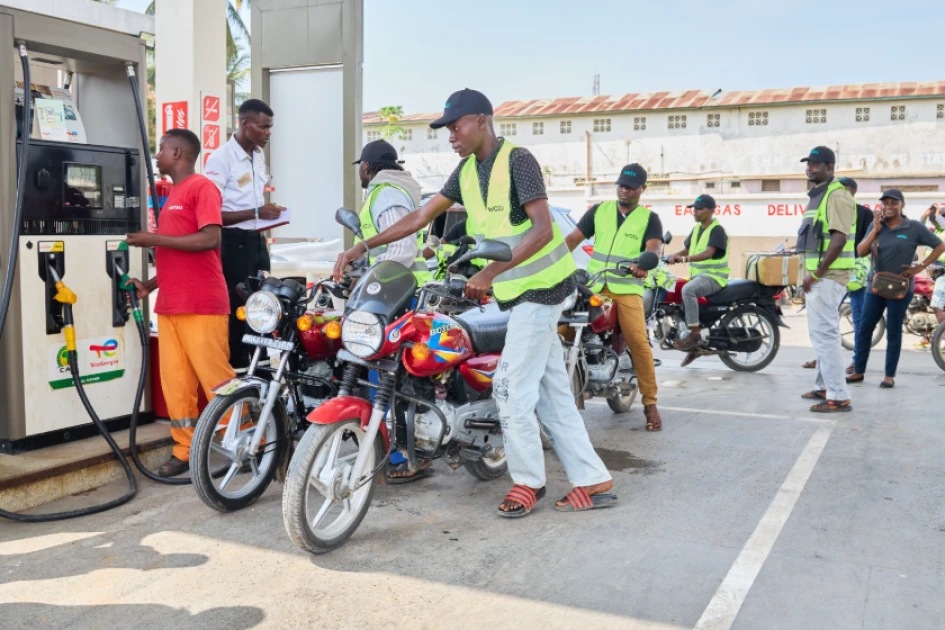
Watu says motorcycle financing has equally transformed the boda boda sector by enabling riders to move from renting motorcycles to owning income-generating assets.

Audio By Vocalize
For many Kenyans, taking a loan is no longer about starting a business, buying equipment or expanding an investment. It is increasingly becoming a way of making it through the month.
As the cost of
living continues to squeeze household budgets, more families are relying on
digital loans, asset financing and informal credit to pay rent, buy food,
settle school fees and meet medical expenses.
While credit has
become a powerful tool for financial inclusion, new industry reports warn that
many borrowers are becoming trapped in a cycle of debt where loans meant to
ease financial pressure end up creating even greater hardship.
The latest Watu
Sustainability Report highlights both the promise and the growing risks of
Kenya's expanding credit market. While the report credits asset financing with
improving incomes and creating economic opportunities, it also identifies
over-indebtedness and borrowers' exposure to economic shocks as major sustainability
risks.
Watu, one of
Africa's largest non-bank asset financiers, says it has built its business
around providing motorcycles, tuk-tuks and smartphones to customers who often
lack access to traditional bank credit. The company operates in seven African
countries and targets entrepreneurs in the informal sector who rely on
productive assets to earn a living.
Its 2024
Sustainability Report shows that since 2022, Watu has financed more than 1.8
million smartphones across Africa, with Kenya accounting for over one million
devices.
Customer surveys
found that nearly 40 per cent of smartphone users reported higher incomes after
acquiring the devices, while between 37 and 44 per cent said they had improved
their ability to save. Smartphones have also enabled users to access digital
jobs, mobile banking, online trading and e-commerce opportunities.
Watu Credit
Country Manager Erick Massawe says motorcycle financing has equally transformed
the boda boda sector by enabling riders to move from renting motorcycles to
owning income-generating assets.
However, Watu
acknowledges that financial inclusion alone does not shield borrowers from
financial stress.
The report
identifies irregular incomes, inflation and economic uncertainty as key factors
that increase repayment risks, particularly among low-income borrowers whose
earnings fluctuate from day to day.
It says the
company has strengthened customer protection by promoting financial literacy,
offering flexible repayment options and improving customer engagement to help
clients facing temporary financial difficulties.
The findings
reflect a much broader trend across Kenya's lending market.
According to the
Digital Financial Services Association of Kenya (DFSAK), licensed digital
credit providers had issued 6.6 million loans worth Ksh.109.8 billion by
November 2025.
The association
says digital credit has become an essential source of liquidity for households
and businesses, helping many families cope with rising living costs and
providing working capital for micro and small enterprises.
But the same
report notes that many Kenyans are borrowing under intense financial pressure.
Research cited by
DFSAK shows digital credit is increasingly supporting households and small
businesses struggling with high living costs.
While the
association says digital lending continues to expand financial inclusion, it
also emphasises the need for stronger financial literacy, consumer protection
and responsible lending to prevent borrowers from sliding into
over-indebtedness.
The challenge is
perhaps most visible in Kenya's boda boda industry.
A study on the
country's motorcycle transport sector found that access to asset financing has
enabled thousands of riders to purchase motorcycles instead of renting them,
allowing them to build assets and improve long-term incomes.
However, the
report also reveals that many operators struggle to meet loan repayments
because their earnings fluctuate with fuel prices, weather conditions, customer
demand and unexpected events such as illness or accidents.
The study warns
that multiple borrowing, high financing costs and limited financial literacy
are exposing many riders to financial distress.
Some operators
take additional loans simply to remain current on existing repayments, creating
a debt cycle that becomes increasingly difficult to escape.
Similar patterns
are emerging within Kenya's fast-growing gig economy.
A study of
motorcycle ride-hailing drivers found that 64 per cent were still repaying
motorcycle loans or rental agreements, while 40 per cent were also servicing
loans used to acquire smartphones required for platform work. More than 70 per
cent admitted skipping essential household expenses such as food and rent to
keep up with loan repayments.
Researchers found
that drivers work an average of more than 66 hours a week, yet many continue to
struggle financially because debt repayments consume a significant share of
their earnings.
Although asset
ownership creates opportunities to generate income, loan obligations often
leave little room for savings or emergency expenses.
The findings point
to a growing divide in Kenya's credit market.
Productive credit
which is used to finance motorcycles, smartphones or businesses, continues to
create jobs and expand incomes. However, a growing share of borrowing is now
being driven by consumption, with households relying on loans to meet every day
needs rather than generate future income.
This trend is more
difficult to sustain because loans used for consumption rarely produce
additional income to support repayment. As a result, many households end up
borrowing again to settle previous loans, deepening financial vulnerability.
Recognising this
challenge, Watu says responsible lending has become central to its business
strategy.
The company has
integrated customer protection into its environmental, social and governance
framework through financial literacy programmes, transparent lending practices,
customer satisfaction surveys and repayment support for borrowers experiencing
temporary financial hardship.
The emerging picture
from the reports is that Kenya's expanding access to credit remains a powerful
engine for financial inclusion and entrepreneurship.
However, unless
incomes rise and borrowing increasingly supports productive investment rather
than day-to-day survival, more households risk finding themselves caught in a
debt spiral where credit provides temporary relief but little lasting financial
security.
Join the Discussion
Share your perspective with the Citizen Digital community.
No comments yet
This discussion is waiting for your voice. Be the first to share your thoughts!