
‘Where is the toilet?’ The quest for dignity in menopausal women navigating urinary incontinence

Audio By Vocalize
Women begin to gather: mostly aged above 50, brought together not just by age, but by a shared, often unspoken stage of life: perimenopause and menopause.
Before the conversation begins, there is laughter. Then silence. Then something deeper-recognition.
This story explores how menopause-related urinary incontinence is affecting women’s dignity, mobility, and participation in public life-yet remains largely unspoken in health systems and urban planning.
Health experts estimate that one in three women experience some form of urinary incontinence during perimenopause or menopause, though many never seek help due to stigma and silence.
The atmosphere is warm, honest, and unexpectedly liberating as the women begin to speak openly, some for the first time, about what their bodies are going through.
The session begins with Dr. Alice Ojwang, a dietician and nutrition consultant.
“I got into menopause at 47 years old… and I really cried,” she says, smiling through the memory. “No one prepared me for it, but here I am, turning it into purpose.”
One after another, the women open up, turning what is often a silent struggle into a shared space of relief and understanding.
A public health specialist, Irene, describes the quiet onset of change.
“You’re in a meeting, then suddenly you feel heat rushing up your face… and you’re just wondering, what is happening to me?”
An IT professional, Judith, reflects on reinvention.
“At 51, I feel like I’ve just graduated again. It’s never too late to start a new chapter this is my next 30 years.”
Eunice, a teacher-turned-entrepreneur, shares her struggle with bloating and sudden weight changes.
“You try gym, you try diet, but your body just changes. Then you learn to accept the new you.”
Winnie adds, with laughter breaking through honesty: “I don’t even sweat I just feel heat. And sleep? That one disappeared!”
By the end of the session, the room is no longer just a meeting. It has become a circle of shared truth, of laughter, relief, and recognition.
But beneath the humour lies a more difficult reality.
Before leaving home, Olga (not her real name), 49, checks her handbag one last time,not for her phone, keys, or wallet but for an extra set of underwear, tissues, and sanitary pads.
She laughs as she describes guarding her bag “like a bomb,” but her voice carries a deeper anxiety.
“When I go out, I have to be prepared,” she says. “A meeting, a church service, even traffic any of it can become a problem. You’re always asking: where is the nearest toilet?”
For Olga and many women like her, urinary incontinence linked to hormonal changes in perimenopause is not just a medical issue; it is a daily negotiation with dignity, mobility, and public life.
Medical experts explain that declining oestrogen levels during perimenopause weaken pelvic floor muscles and affect bladder control, leading to urgency and leakage.
Dr Kabugo Kamau, a menopause expert, says: “Urinary incontinence happens when the pelvic floor muscles cannot properly support the bladder during pressure changes like coughing, sneezing, or movement.”
She adds that these changes often begin years before menopause and may be accompanied by insomnia, fatigue, anxiety, and brain fog.
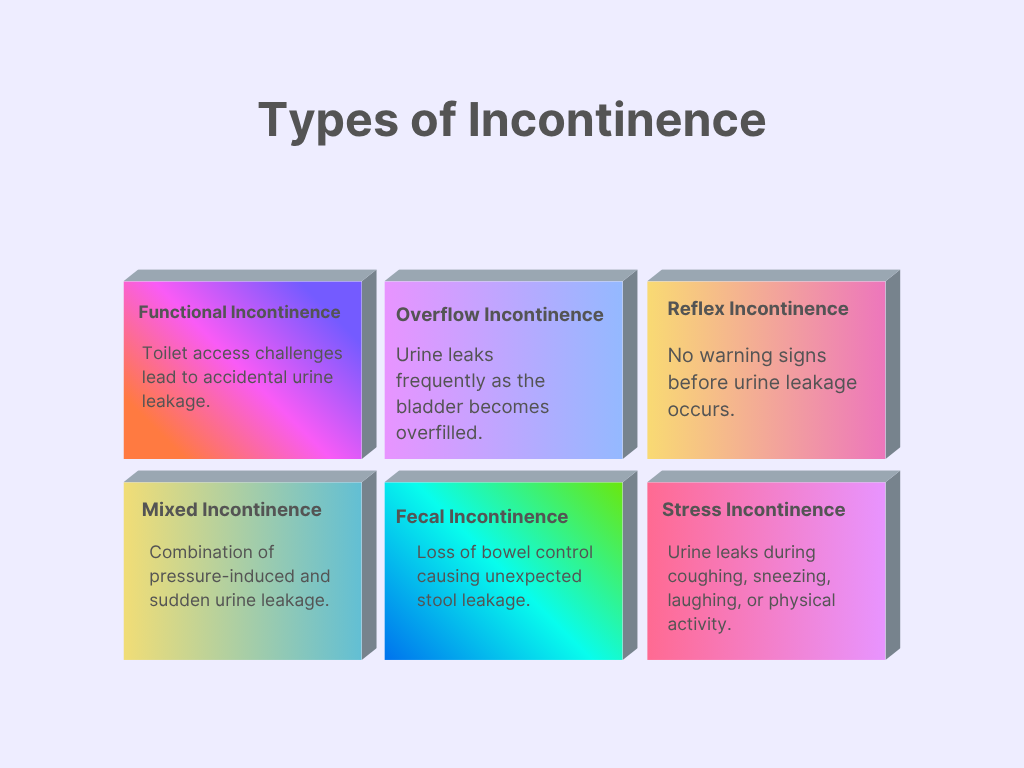
Experts also point to modern lifestyles, long hours of sitting, low physical activity, and rising stress as factors that can worsen symptoms compared to earlier generations.
Yet despite its prevalence, urinary incontinence remains widely underreported. Many women suffer in silence, believing it is simply a “normal” part of ageing.
Beyond the health system, the impact extends into public life.
Women quietly adjust their routines, choosing routes based on toilet access, avoiding long meetings, declining travel, or skipping social events altogether. What begins as a biological change becomes a question of infrastructure and dignity.
In many urban spaces, safe, clean, and private sanitation facilities are still limited. Public health advocates say this turns a medical condition into a WASH (Water, Sanitation and Hygiene) challenge, affecting women’s participation in work, education, and social life.
While international human rights frameworks, including the right to health and sanitation, recognise dignity and well-being across the lifespan, advocates argue that ageing women’s health needs remain largely absent from planning and policy.
The result is quiet exclusion: not by law, but by design.
For Olga, the question is simple but heavy.
“How do you live freely,” she asks, “when every outing depends on whether you can find a toilet?”
Until that question is fully addressed through health awareness, better public facilities, and inclusive urban planning, many women will continue to move through public life carrying not just handbags, but the weight of preparation, silence, and adaptation.
Join the Discussion
Share your perspective with the Citizen Digital community.
No comments yet
This discussion is waiting for your voice. Be the first to share your thoughts!