
Wananchi Opinion: Fashion for change, why Kenya must go further to end FGM
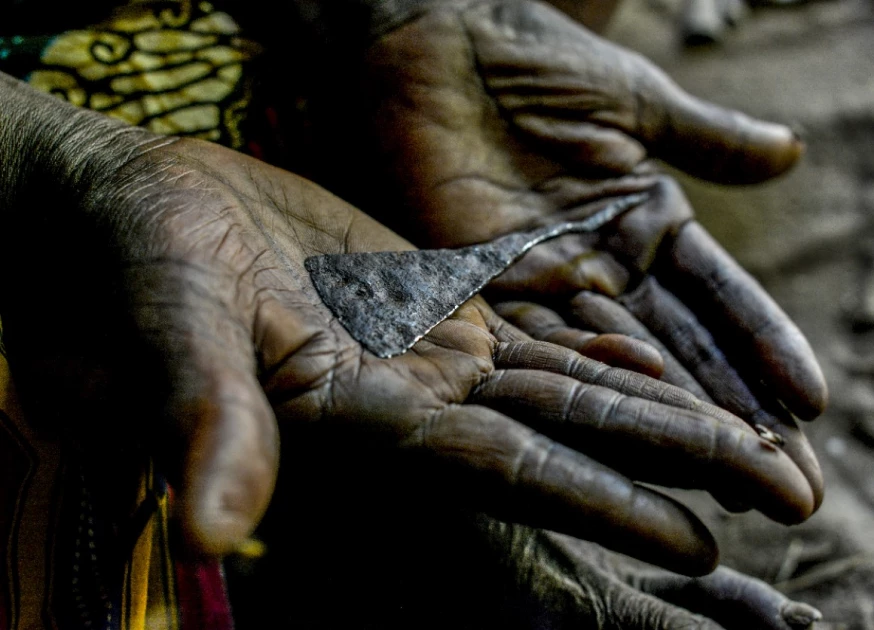
Combining fashion with the fight against FGM may appear unconventional. But perhaps unconventional thinking is exactly what is needed. [Photo/Courtesy]

Audio By Vocalize
Kenya deserves a massive clap for the headway it has realised in the fight against female genital mutilation (FGM).
The decline in prevalence among women aged 15–49, from 39 per cent in 1998 to 15 per cent most recently, is evidence that change can be realised.
This good progress should not make us complacent in our efforts.
The painful truth is that Kenya's national numbers can hide a much rougher reality in regions where FGM remains deeply established.
In parts of northern Kenya, the practice continues to be sustained by social expectations, cultural pressure and the fear of being rejected for refusing to conform.
The obstacle is even more complicated along the Kenya-Somalia border, where communities, families and cultural traditions cross national boundaries.
Somalia's reported FGM prevalence of 99 per cent among women aged 15–49 should serve is a sobering reminder that Kenya cannot address the issue in isolation.
This is the reason initiatives such as Fashion for Change, spearheaded by the Ifrah Foundation, deserve support and attention.
For instance, this Sunday in Nairobi, survivors and African women leaders will take centre stage at Fashion for Change, a platform for challenging stigma, empowering women, and amplifying the movement to end FGM.
The event comes at a time when there is focus on locally spearheaded solutions and survivor interventions and leadership – and will be a processor to the launch of a new pooled fund backing the global movement to end FGM.
At first glance, combining fashion with the fight against FGM may look unconventional. But this kind of thinking is exactly what is needed.
For many years, much of the discussions around FGM has occurred in conference rooms, awareness campaigns and policy meetings.
Those efforts are important, but awareness alone has clearly not sufficed.

Fashion offers an unusual but potentially powerful language. A runway can become more than a display of clothing. It can become a public declaration of dignity, bodily autonomy and freedom. Aisha Osman [Left] and another FGM survivor are part of the Fashion for Change initiative championed by the Ifrah Foundation. [Photo/Courtesy]
If communities can acknowledge the pains of FGM and yet continue doing and practising it—or replace severe forms with what is considered "softer" procedures—then the problem is deeper than a lack of information.
This is a problem of social norms.
People don’t forsake damaging and harmful practices just because they have been told those practices are dangerous.
They drop them when communities begin to question why the practices exist, when social pressure changes and when individuals feel safe enough to break with tradition.
That is where survivor voices become particularly important.
Survivors should not be treated merely as victims whose painful experiences are displayed to generate sympathy. They should be recognised as leaders with valuable knowledge about what it takes to change the communities in which FGM persists.
The decision by Fashion for Change to place survivors at the centre of the conversation is therefore significant. A woman who has experienced FGM can speak about its consequences in a way that statistics and policy documents cannot.
Fashion, meanwhile, offers an unusual but potentially powerful language. A runway can become more than a display of clothing. It can become a public declaration of dignity, bodily autonomy and freedom.
Yet symbolism must be followed by action.
Kenya needs sustained investment in survivor-led organisations, stronger community engagement and closer cooperation across the Kenya-Somalia border. Laws are important, but legislation alone cannot protect every girl in a community where social pressure remains stronger than the law.
This is why the proposed $100 million pooled fund to support efforts to end FGM is potentially important.
The fight requires financial support and others resources, especially organisations that work directly with communities and survivors.
Financing should not just support big institutions and campaigns; it must reach the women and organisations doing the difficult work on the ground.
The recent legislative developments in parts of Somalia also present an opportunity for Kenya and Somalia to strengthen cooperation. Cross-border challenges require cross-border solutions.
Ultimately, the fight against FGM is not just about convincing communities that the practice is harmful. It is about building a community where a girl does not have to choose between her rights and culture.
Kenya has traversed considerable width in reducing FGM. But the remaining journey could be the toughest one.
The country should therefore resist the temptation to measure success only through declining national statistics. The real test is whether a girl in a community where FGM remains deeply rooted can grow up without fear that her body will be altered to satisfy social expectations.
That will require more than awareness.
It will require courage, resources, survivor leadership, community dialogue and a willingness to challenge traditions that violate the dignity of girls and women.
The runway may provide the spotlight. But the real change must happen long after the lights go out.
Join the Discussion
Share your perspective with the Citizen Digital community.
No comments yet
This discussion is waiting for your voice. Be the first to share your thoughts!