
Mercy Masika’s ‘Becoming a wife’ masterclass draws mixed reactions

Audio By Vocalize
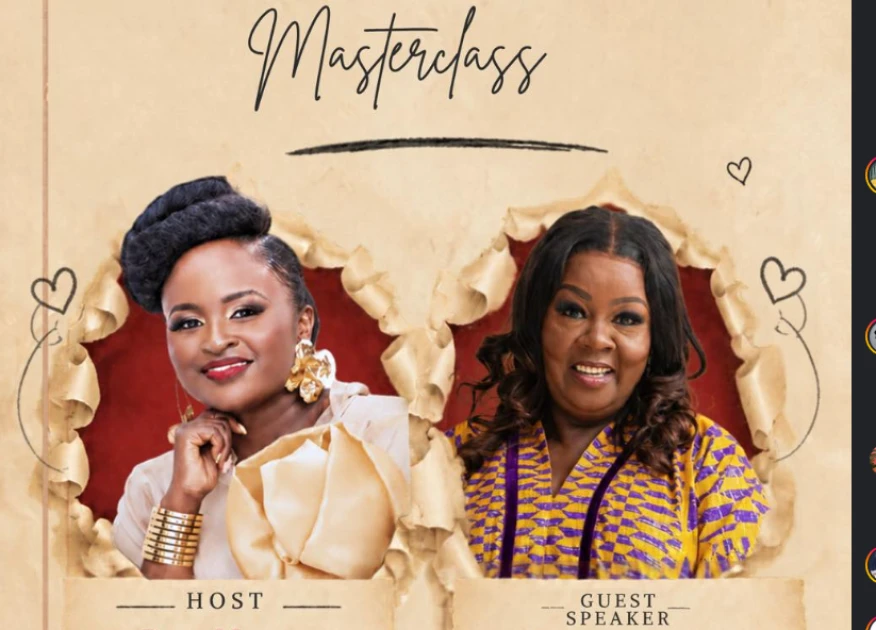
Gospel singer Mercy Masika’s upcoming ‘Becoming a Wife’ masterclass has sparked mixed reactions online, with some questioning why women are being taught how to become better wives, while similar programmes for men remain largely absent.
The debate gained momentum after Masika shared a post on Instagram highlighting the role of mentorship in her marriage journey and announcing the involvement of Lady Bishop Kathy Kiuna in the classes.
“I’ve been blessed with amazing mentors in my marriage journey, and Lady Bishop has been such a powerful example of an empowered woman who honors God and her husband,” Masika wrote.
“I’m so glad she’s part of these classes, empowering women who want to do marriage God’s way. Grateful for wisdom that shapes both heart and mindset,” she added.
However, the post attracted criticism from some social media users, who questioned the emphasis on preparing women for marriage without placing equal responsibility on men to learn how to be good husbands.
Media personality Janet Mbugua was among those who weighed in on the debate, questioning the timing and focus of the masterclass.
Mbugua argued that the initiative appeared out of touch with the concerns facing women in Kenya, including femicide, sexual violence and the safety of children.
“The outrage speaks to the fact that we have so much on our minds. We have a lot of worry about our safety and the safety of so many others,” Mbugua said in a video shared online.
She also questioned the role of religious institutions in addressing such issues, arguing that churches had not spoken out as strongly as some people expected on matters affecting women and children.
Mbugua further challenged the emphasis on women learning how to become better wives, asking why similar efforts were not being made to teach men how to become better husbands.
“Where is the masterclass for how to be a good husband? Why is the burden always on the woman?” she posed.
She maintained that a woman could do everything she believed was right in a marriage without necessarily saving the relationship, if her partner was unwilling to put in the same effort.
“A woman can do everything right, everything that she believes is right, it will not and cannot save a relationship,” she said, adding that marriage required commitment from both partners.
She also raised concerns about how some religious teachings encourage women to endure difficult marriages, arguing that terms such as “vumilia” can discourage people from speaking openly about their experiences or seeking help.
According to Mbugua, the growing availability of information about relationships and the experiences shared by people online have made younger generations more willing to question traditional expectations surrounding marriage.
She said the criticism of the masterclass was therefore valid, arguing that the focus should also be on building safer communities, promoting equity and protecting women and children.
YouTuber Rachel Gitau, who hosts the Pika na Raych YouTube channel, also questioned why marriage preparation programmes appeared to focus primarily on women.
In a comment on Masika’s post, Gitau described her position as an “unpopular opinion from a married babe,” noting that she was married and believed there was still room for both partners to grow.
“I am a married woman, I believe marriage takes two, and we all have room to grow. I want to keep learning how to be a better wife, and I believe my husband should keep learning how to be a better husband too,” she wrote.
Gitau questioned how women could be encouraged to improve their roles in marriage without similar opportunities being created for men.
“So as we create spaces for women to learn about becoming wives, how are we creating spaces for becoming husbands? After all, we’re building the same marriage aren’t we? Ama kuna kitu sijaget?” she added.
Other social media users echoed the calls for programmes that address challenges affecting men, including alcohol abuse, violent behaviour and harmful relationship ideologies.
One Instagram user asked, “Where is the class for young men who are drowning in alcohol? Who are being indoctrinated by redpill content? Who are in turn becoming violent? Where is the support for the victims and survivors?”
The comments reflected a wider debate over whether marriage education should place equal emphasis on the responsibilities of both partners, as well as the support available to people experiencing difficulties in relationships.
However, not everyone agreed with the criticism directed at Masika.
Media personality Mashirima Kapombe defended the gospel singer, accusing some critics of bullying her over an initiative they did not support.
“Y’all just be bullies. Let Mercy Masika be. You cannot claim to champion women and women empowerment while tearing down another woman for an incentive you don’t agree with,” Kapombe said.
She argued that the masterclass was not intended for everyone and that people who disagreed with its message could choose not to participate.
“You are not the target audience and that’s okay. Scroll past. Not everything is for everyone,” she added.
Kapombe further maintained that women should be allowed to pursue initiatives they believe in without being humiliated by others who hold different views.
“Women’s empowerment cannot be selective. You don’t have to agree with a woman to respect her right to do what she does,” she said.
Journalist Lynn Ngugi also came to Masika’s defence, arguing that while concerns about issues affecting women were valid, the singer should be allowed to focus on a subject she considers important.
Ngugi said some of the criticism stemmed from expectations that Masika should speak more openly about issues affecting women but questioned whether it was fair to make her upcoming masterclass the focus of those frustrations.
“What if, according to Mercy, a masterclass on being a biblical wife or a masterclass on teaching people how to go about things she believes in is what is equally important to her right now?” she posed.
Ngugi noted that some women could be interested in learning from Masika because of her long-standing marriage and the family life she publicly represents.
She argued that people who admire the singer and want to build similar marriages should be allowed to attend the classes if they find them useful.
Ngugi also urged critics who have platforms of their own to continue using them to highlight issues affecting women rather than expecting Masika’s masterclass to address every concern.
“Mercy's Masterclass should not stop you from doing what you also know how to do best,” she said.
She acknowledged the question of why similar programmes were not being organised for men but maintained that Masika, as a woman, should be allowed to teach other women who are interested in what she has to offer.
“Let her teach those women. Because these women are independent people who feel like there's a need for this masterclass,” Ngugi said.
She encouraged those calling for programmes targeting men to take the initiative to create platforms that address their concerns, rather than placing the responsibility on Masika.
“You can also have conversations with your sons, your men, your nephews, your uncles, your grandpa, and also ask them to really come up with masterclasses or platforms that are also going to impact men,” she added.
Ngugi further questioned whether Masika should be expected to prioritise the issues critics consider most urgent, arguing that the singer could have her own reasons for choosing to focus on marriage.Journalist Lynn Ngugi also came to Masika’s defence, arguing that while concerns about issues affecting women were valid, the singer should be allowed to focus on a subject she considers important.
Ngugi said some of the criticism stemmed from expectations that Masika should speak more openly about issues affecting women but questioned whether it was fair to make her upcoming masterclass the focus of those frustrations.
“What if, according to Mercy, a masterclass on being a biblical wife or a masterclass on teaching people how to go about things she believes in is what is equally important to her right now?” she posed.
Ngugi noted that some women could be interested in learning from Masika because of her long-standing marriage and the family life she publicly represents.
She argued that people who admire the singer and want to build similar marriages should be allowed to attend the classes if they find them useful.
Ngugi also urged critics who have platforms of their own to continue using them to highlight issues affecting women rather than expecting Masika’s masterclass to address every concern.
“Mercy's Masterclass should not stop you from doing what you also know how to do best,” she said.
She acknowledged the question of why similar programmes were not being organised for men but maintained that Masika, as a woman, should be allowed to teach other women who are interested in what she has to offer.
“Let her teach those women. Because these women are independent people who feel like there's a need for this masterclass,” Ngugi said.
She encouraged those calling for programmes targeting men to take the initiative to create platforms that address their concerns, rather than placing the responsibility on Masika.
“You can also have conversations with your sons, your men, your nephews, your uncles, your grandpa, and also ask them to really come up with masterclasses or platforms that are also going to impact men,” she added.
Ngugi further questioned whether Masika should be expected to prioritise the issues critics consider most urgent, arguing that the singer could have her own reasons for choosing to focus on marriage.
“What if Mercy read the room and according to her, this is the most important topic for her right now?” she posed.
“What if Mercy read the room and according to her, this is the most important topic for her right now?” she posed.
The contrasting reactions have placed the upcoming masterclass at the centre of an online discussion about marriage, gender roles, faith and the expectations placed on women in relationships.
While critics are calling for similar programmes to help men become better husbands and address challenges affecting young men, supporters argue that women should also be free to seek guidance on marriage without facing public ridicule.
The debate continues to raise questions about how couples can be equipped to build healthy relationships while ensuring that the responsibility for a successful marriage does not fall on one partner alone.
Join the Discussion
Share your perspective with the Citizen Digital community.
No comments yet
This discussion is waiting for your voice. Be the first to share your thoughts!