
UN maritime agency rejects Hormuz tolls
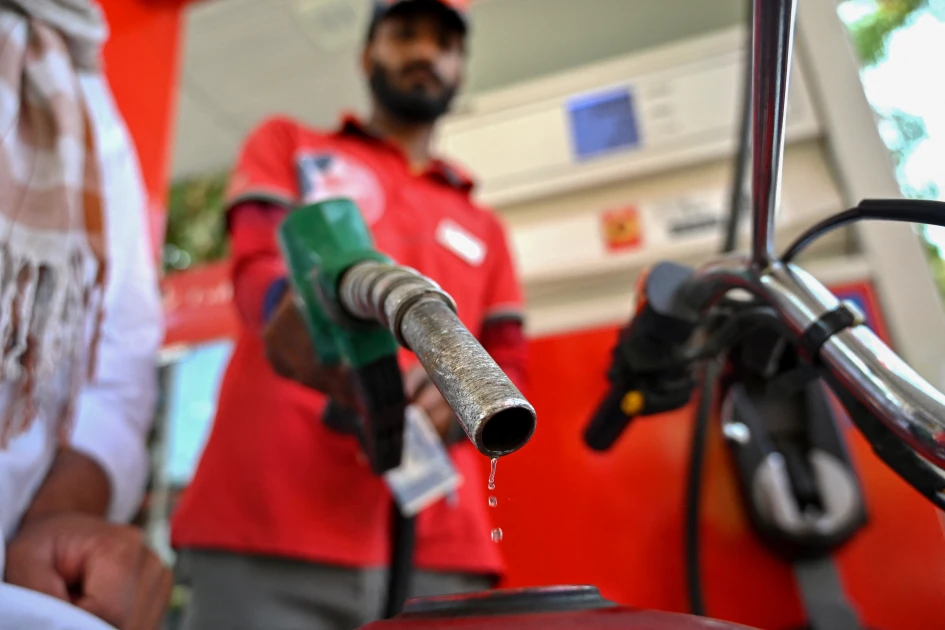
An employee fills the tank of a motorcycle at a fuel station in Islamabad on April 25, 2026 amid a rise in prices following energy supply disruptions due to war in the Middle East. (Photo by Asif HASSAN / AFP)

Audio By Vocalize
Shipping through the narrow strait has been strangled since the US and Israel attacked Iran in late February.
Iran has sealed off the passage, sharply cutting oil and gas flows and sending prices soaring, while the US has blockaded Iranian ports. Tehran has also said it wants to impose transit fees as part of any lasting peace deal.
"There's no legal basis for the introduction of any tax, any customs, or any fees for on straits for international navigation," IMO Secretary-General Arsenio Dominguez said at a press conference.
Iran's armed forces would have authority over the key shipping lane under the country's proposed law for managing the waterway, a top official said Monday.
Ebrahim Azizi, head of the national security commission in Iran's parliament, told state TV the armed forces were already in control of the strait and were seeking to prohibit the passage of "hostile vessels".
The bill also provides that financial gains from the strait would be paid in Iran's rial currency.
Speaking on the sidelines of an IMO maritime protection committee meeting, Dominguez said he was in contact with "all the countries of the region", including Iran.
He firmly rejected the idea that reopening the waterway could involve payment of any fees.
Dominguez also said a planned evacuation operation for around 20,000 seafarers currently stranded on vessels in the Gulf could only go ahead once the strait was fully secure.
The shipping lane remains a key sticking point in negotiations between Washington and Tehran, even as a fragile April 8 ceasefire continues to hold.
Meanwhile, talks among IMO members this week are focused on a different issue: efforts to revive negotiations on an ambitious plan to decarbonise the global shipping industry.
That measure was due to be adopted last October, but the United States -- backed by Saudi Arabia, Russia, and other oil-producing countries -- blocked the agreement, delaying it by a year.
Join the Discussion
Share your perspective with the Citizen Digital community.
No comments yet
This discussion is waiting for your voice. Be the first to share your thoughts!