
Ukambani politics shift as Augustus Muli challenges coalition deals
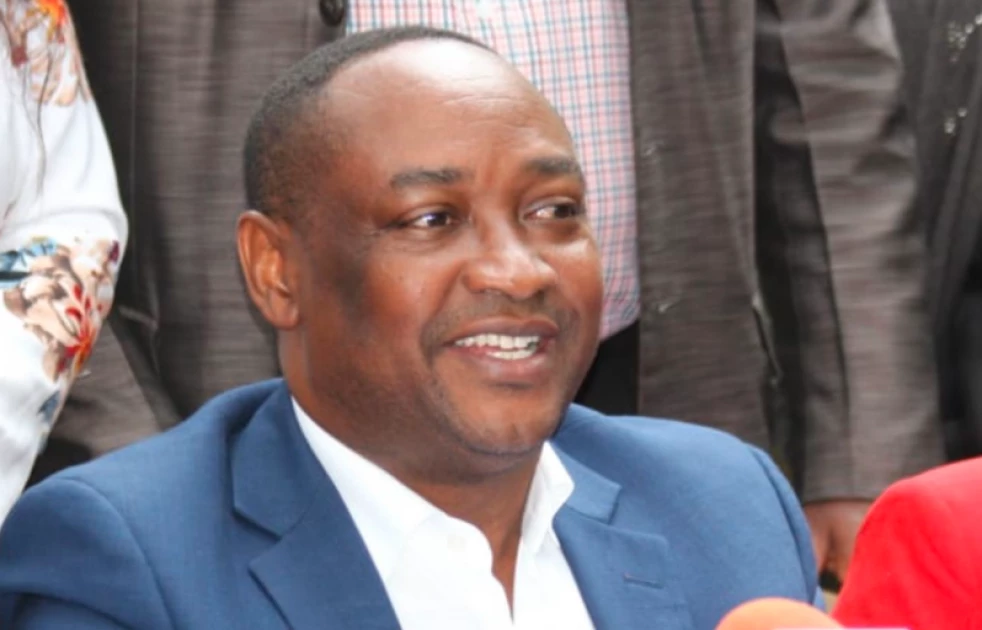
National Liberal Party (NLP) leader Augustus Muli.

Audio By Vocalize
National Liberal Party leader has positioned himself as a vocal critic of what he describes as inconsistent and transactional politics, taking aim at former Deputy President and sections of the opposition.
Muli’s remarks follow recent political engagements in which Gachagua has courted leaders from the Ukambani region, a move that has drawn mixed reactions locally. While some see it as coalition-building ahead of 2027, critics argue it reflects shifting alliances lacking ideological consistency.
Addressing the issue, Muli dismissed claims that his criticism was ethnically driven, instead framing it as part of a broader debate about leadership accountability in the region. He accused national actors of recycling local leaders previously blamed for underdevelopment, warning that such moves undermine trust among voters.
The exchange highlights a recurring tension in Ukambani politics—balancing regional interests with national coalition dynamics. For decades, the region has largely voted as a bloc but has often been left negotiating for development priorities such as water infrastructure, industrial investment, and employment opportunities.
Muli pointed to long-standing concerns over stalled projects, including textile revival, irrigation through the Thwake Dam, and the absence of sustainable industries, arguing that these issues continue to shape voter expectations. His proposals—ranging from agro-processing to linking technical training with employment—mirror broader calls within the region for a shift from personality-driven politics to development-focused agendas.
At the same time, his critique of the United Opposition underscores growing skepticism among some Ukambani leaders about pre-election alliances that bring together figures with previously conflicting positions.
Political analysts note that such public disagreements signal an evolving landscape where local leaders are increasingly willing to challenge national figures, rather than align uncritically for electoral gain.
Join the Discussion
Share your perspective with the Citizen Digital community.
No comments yet
This discussion is waiting for your voice. Be the first to share your thoughts!