
The fuel price shocker: What Kenyans should brace for

Audio By Vocalize
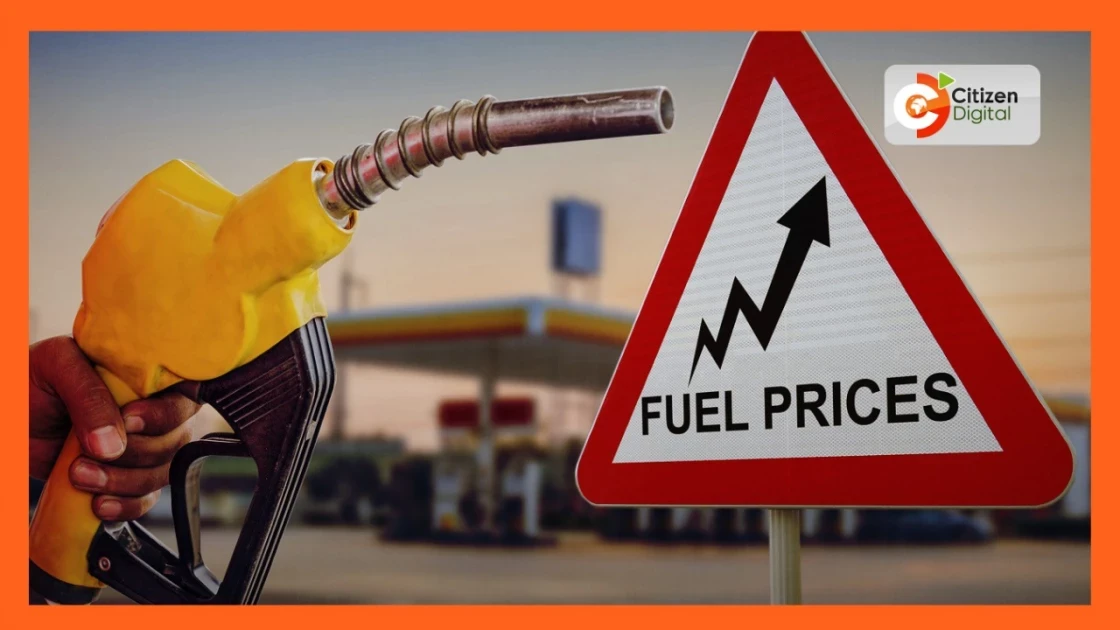
In its monthly review, the Energy and Petroleum Regulatory Authority (EPRA) raised pump prices for the period running to 14 November.
In Nairobi, Super Petrol now sells at KSh.226.96 a litre and Diesel at KSh.227.76. Kerosene, the fuel of the poor, costs KSh.219.87.
The increases are KSh.12.93 for petrol, KSh.9.90 for diesel and KSh.28.49 for kerosene in Nairobi. In percentage terms, petrol rose about 6 per cent and diesel about 4.5 per cent. Kerosene jumped almost 15 per cent.
The timing could hardly be worse. Maize failed in many areas this year, food prices are climbing, and inflation is edging up. Forecasters are warning that El Niño rains may soon disrupt roads, farms and supply chains. Into this comes dearer fuel.
What EPRA says
The regulator's case rests on the cost of imports. Its figures show that the average landed cost of Super Petrol rose 11.81 per cent, from US$874.26 per cubic metre in August to US$977.55 in September. Diesel rose 11.32 per cent, from US$957.05 to US$1,065.38. Kerosene rose 9.41 per cent, from US$1,003.87 to US$1,098.31.
EPRA's new Director General, Eng. Edward Mwirigi Kinyua, pointed to turmoil linked to the Middle East conflict. He said petrol prices on international markets had risen to about US$1,300 per ton, from roughly US$600 earlier in the crisis. He also said part of the kerosene adjustment was meant to narrow the gap between kerosene and automotive fuels, because that gap encourages dealers to adulterate petrol and diesel with the cheaper product.
The Motorists Association's rebuttal
The Motorists Association of Kenya (MAK) has condemned the review in strong terms. It calls the increase an "assault" on the productive economy and says Kenyans deserve "economic science, not political explanations." Its argument is mostly about arithmetic and transparency, and it raises seven main points.
Kerosene had the smallest rise in landed cost, at 9.41 per cent, yet the largest rise at the pump, at 14.89 per cent. MAK concedes that taxes, margins and stabilization adjustments can explain such gaps, but says that only strengthens the case for a full public reconciliation. It calls the adulteration argument an "extraordinary admission of regulatory failure," because it makes a grandmother buying fuel for lamp pay for the regulator's weak enforcement.
MAK says freight charges should not form a blanket excuse. It wants EPRA to publish freight, insurance, exchange-rate, tax and levy figures product by product, so the public can tell global pressures from domestic policy choices.
MAK says the government-to-government (G-to-G) import arrangement has not demonstrated its promised benefits. It cites the Auditor-General's earlier concerns about missing agreements and documentation, an EPRA official's acknowledgement that the switch from open tender brought higher premiums, and parliamentary calls for an audit. These concerns remain valid and unanswered.
MAK also spoke of asymmetry in implementing adjustments when global prices rise of fall. Locally, when pump prices rise, the adjustment is immediate. When they fall, MAK says, Kenyans hear about earlier cargoes and pricing cycles. It notes that Super Petrol's landed cost fell 7.87 per cent between July and August, yet the pump price stayed at KSh.214.03.
MAK pointed out that crude oil is not petrol. It says the Director General's US$1,300 per ton figure cannot be compared with the Central Bank's Murban crude quotes, since a barrel is not a tonne and refined fuel carries its own margins. It also asks how the figure squares with the published September landed cost of US$977.55 per cubic meter.
MAK demands an independent scrutiny of the review, publication of the pricing worksheets, an audit of the G-to-G deal, and disclosure of the Petroleum Development Levy Fund accounts. It also wants a timetable for market-led pricing, and it has threatened lawful, peaceful protests if its concerns go unanswered.
What Kenyans should brace for
Fuel is not just another item in the shopping basket. It is an input into almost everything else. When diesel rises, so do transport fares and the cost of moving maize, vegetables, milk and building materials. Those costs usually reach shelf prices within weeks.
Households should expect higher matatu fares, dearer food in markets and supermarkets, and a gradual lift in the cost of manufactured goods. The effect is not uniform.
Kerosene's near-15 per cent jump is the most worrying, because it is the cooking and lighting fuel for many low-income urban and rural families. Switching away from it is not easy when cooking gas or electricity needs a bigger upfront outlay.
The inflation arithmetic is uncomfortable. Fuel sits directly in the consumer price basket and also feeds into food and transport. A price jump of this size, landing on top of a poor harvest, will probably push headline inflation higher in the coming months.
The exact path depends on the exchange rate, on whether food imports fill the maize gap, and on how El Niño rains affect supply. However, the direction is clear, the pressure is upward, and it falls hardest on people who spend most of their income on food and transport.
For the broader economy the damage is quieter but real. Transporters and small businesses lose margin, consumers cut other spending, and firms delay hiring and investment.
An economy whose growth forecast has already been trimmed has little cushion for a cost shock of this kind.
A central bank facing rising inflation may also hesitate to ease credit, which would keep borrowing costs high for businesses already stretched.
Should the market decide?
This is the oldest argument in fuel policy, and both sides have a point. Supporters of liberalization say that open competition between importers drives down procurement costs, as MAK argues.
They say monthly administered pricing makes the government the referee, the tax collector and the supplier-in-chief all at once, which invites distortion and suspicion.
Locally, observers have noted that fuel markets are concentrated, with a few dominant firms, shared infrastructure and heavy import dependence.
Without strong competition enforcement, one set of gatekeepers could simply replace another. Even MAK admits that deregulation alone cannot remove global shocks or guarantee lower prices.
A sensible middle path would let competition and transparent pricing do more of the work, while protecting the vulnerable with deliberate, visible tools.
These could include a ring-fenced and fully audited stabilization fund, targeted support for kerosene and cooking-fuel users, and clear rules on how and when savings are passed on, both up and down.
Above all, the pricing formula must be open to inspection. Trust in any system, controlled or free, depends on people being able to check the sums.
Political cost of fuel
A few hours before the release of this latest fuel adjustment, the former Deputy President Rigathi Gachagua warned that the government would raise fuel prices to raise money for next year's re-election campaign. The warning drew scorn at the time.
This week's increase has given it fresh airtime. There is no evidence in EPRA's own explanation that campaign financing played any part, and the regulator points to import costs and global conditions. But politics is often about perception, and in a pre-election year perception counts for a great deal.
The government's difficulty is that it is already fighting on several fronts: complaints about economic performance, a lowered growth outlook, high living costs and persistent questions about governance.
Against that backdrop, a steep fuel hike, and especially the squeeze on kerosene, looks like a failure of timing and empathy. It also hands the opposition and civic groups an easy message. A message created by the government itself to its own detriment.
The government can limit the damage in a few ways. It can publish the full pricing workings, explain the kerosene decision with evidence, commission the G-to-G audit that MAK and legislators have demanded, and set out concrete relief for transporters and low-income households.
Kenyans are not asking for free fuel. They are asking for prices they can understand and justify. Until the authorities supply the numbers, suspicion will keep filling the gap, and so will anger at the pump.
Join the Discussion
Share your perspective with the Citizen Digital community.
No comments yet
This discussion is waiting for your voice. Be the first to share your thoughts!