
Stakeholders hail Kenya for advancing sickle cell disease care

Audio By Vocalize
During the Kenya Sickle Cell Disease Symposium held last week, participants noted that Kenya's experience is helping inform approaches to sickle cell disease care across Africa, demonstrating how collaboration between governments, healthcare providers, researchers and patient organisations can improve health outcomes.
The symposium provided a platform for participants from Kenya and across the region to exchange evidence, share best practices and identify practical solutions to strengthen sickle cell disease care.
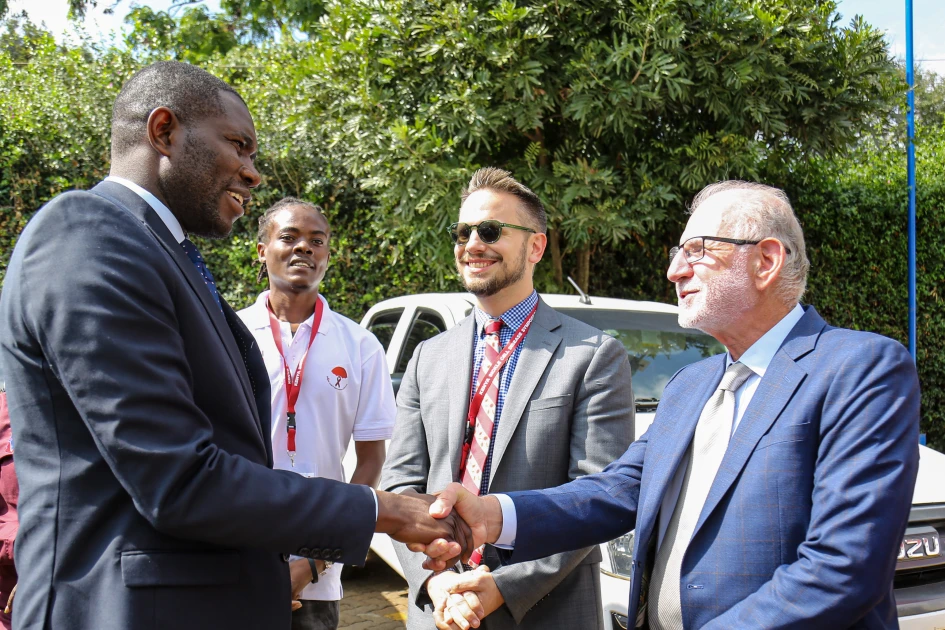
“Scientific advances are only meaningful when they reach the patients and families who need them most. That means investing not only in research, but also in healthcare workers, laboratory systems, implementation science, community health programs, and strong national health systems,” said Dr Robert Negrin, President, American Society of Haematology.
Sickle cell disease remains one of the world's most common inherited blood disorders and continues to pose a significant public health challenge, particularly in sub-Saharan Africa.
An estimated 515,000 babies are born with the condition globally each year, with most cases occurring in the region.
Yet between 50 and 80 per cent of affected children do not survive beyond their fifth birthday due to delayed diagnosis and limited access to comprehensive care.
For more than a decade, ASH has worked alongside the Government of Kenya, the haematology community, hospitals, patient advocates and community-based organisations to strengthen sickle cell disease care through research, education, workforce development and long-term partnerships.
Through the Consortium on Newborn Screening in Africa (CONSA), ASH has supported efforts to demonstrate that newborn screening linked to comprehensive care can save lives while helping build sustainable health systems. Kenya is one of seven African countries participating in the initiative, with lessons from its experience helping shape newborn screening programmes across the region.
Dr Bernard Awuonda, CONSA Kenya National Coordinator, noted; “Having successfully screened more than 40,000 infants, we are expanding our networks and empowering local communities to eradicate the pain of SCD. Our collective goal remains clear: universal access to early screening, robust linkage to clinics, and an elevated quality of life for everyone living with sickle cell in Kenya.”
Beyond screening and early intervention, participants also pointed to the need for expanded access to curative treatment.
Dr Doreen Karimi, Consultant Paediatric Haematologist-Oncologist at Gertrude's Children's Hospital, said, "Bone marrow transplant treatment changes the conversation around sickle cell disease from lifelong management to potential cure.”
Participants explored practical approaches to strengthening newborn screening programmes, integrating sickle cell disease into national health priorities and social health insurance, expanding access to treatment, advancing research, strengthening the healthcare workforce and addressing stigma that continues to affect individuals and families living with the condition.
The symposium also reaffirmed the importance of ensuring that scientific research translates into meaningful improvements in patient care. Participants emphasised that sustained collaboration among governments, healthcare institutions, researchers, patient organizations and development partners will be essential to closing persistent gaps in diagnosis, treatment and access to quality care.
“We call on national government, counties, healthcare providers, development partners and communities to translate these lived experiences into action by prioritizing newborn screening, comprehensive care, access to essential medicines and safe blood, and ensuring that no person living with sickle cell disease is left behind,” said Emily Gumba, Chief Executive Officer, Sickle Cell Federation of Kenya.
Join the Discussion
Share your perspective with the Citizen Digital community.
No comments yet
This discussion is waiting for your voice. Be the first to share your thoughts!