
Road levy vs toll fees: KeNHA clarifies roles of each fund amid public uproar
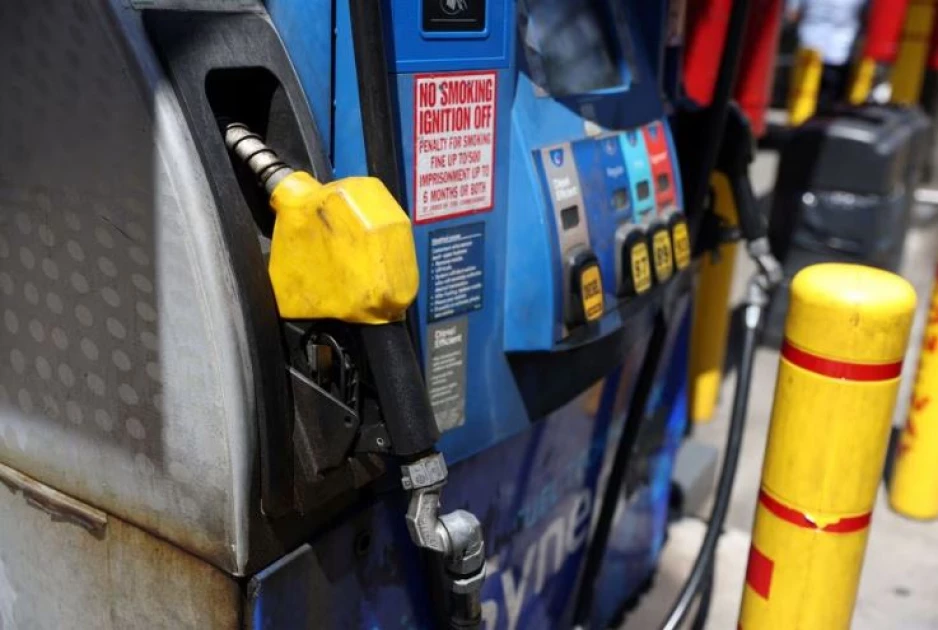
A pump is seen at a gas station in Manhattan, New York City, U.S., August 11, 2022. REUTERS/Andrew Kelly

Audio By Vocalize
Last month, the government received backlash for raising the RMLF from 18 per cent to 25 per cent, meaning that this would be transferred to the consumer.
The levy is charged at the pump for every litre of petrol or kerosene that a motorist purchases.
KeNHA said that the levy is used to improve existing roads to quality standards, ensuring that it remains safe and reliable for all users.
The Kenya Roads Board (KRB) is responsible for collecting the levy and distributing it to road agencies including KeNHA, Kenya Urban Roads Authority (KURA), Kenya Rural Roads Authority (KERRA) and Kenya Wildlife Service (KWS).
Once the fund is collected, it is used for road maintenance and repairs, clarifying that the road agencies cannot use the funds to construct a new road.
KeNHA explained that RMLF is not used in maintaining tolled roads, hence the levy could be used in funding other road projects.
Tolling is whereby a fee is charged for motorists to access the route.
For instance, the Nairobi Expressway whereby the government entered into a Public-Private Partnership (PPP) with China Road and Bridge Corporation (CRBC)to toll the road for 27 years to recover the funds used.
"In the event of successful tolling, the collected fees will then be used to maintain and rehabilitate the specific road that they are collected from. This could free RMLF to fund new road projects as the tolled roads may not be candidates for the RMLF fund," KeNHA said.
"KeNHA remains committed to work within the approved policies set by the Kenya Roads Board to ensure that the funds are used efficiently and transparently to improve the safety and quality of highways for all Kenyans."
Join the Discussion
Share your perspective with the Citizen Digital community.
No comments yet
This discussion is waiting for your voice. Be the first to share your thoughts!