
Religious leaders urged to help end stigma on PWDs
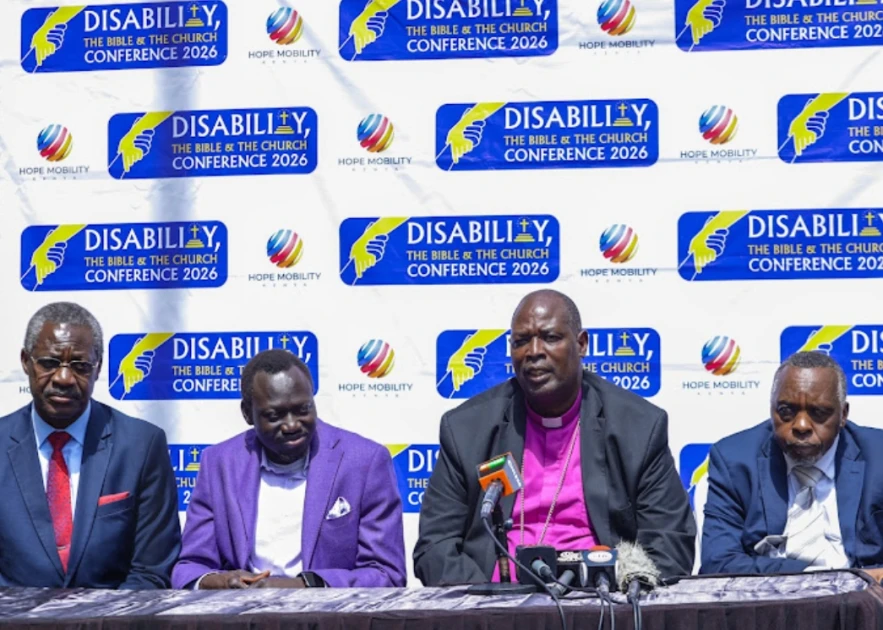
From Left Presiding Bishop, CITAM Valley Rd, Calisto Odede, Michael Panther Founder Hope Mobility Kenya, ACK Archbishop Jackson Ole Sapit and Dr Samuel Kabue, Commissioner, World Council of Churches.

Audio By Vocalize
During the first faith-based Disability conference, dubbed ‘Disability, the Bible and the Church Conference, leaders and organizers called on societies to be “more accepting of persons differently abled.”
The conference held at CITAM Valley Rd, stressed the common refrain ‘disability is not inability’ pressing attendees to play their part in ensuring that differently abled Kenyans are socially and economically integrated in their communities.
Speakers at the event warned that stigma within religious and community settings continues to isolate PWDs, often reinforced by harmful beliefs and misconceptions. They urged the Church to use its influence to reshape narratives and promote dignity, accessibility, and equal participation.
They noted that despite concerted efforts from both government and other stakeholders, Persons with Disabilities have continued to suffer shame, segregation and exclusion inhibiting them from leading usual community life.
Michael Panther, the founder of Hope Mobility and organizer of the conference called on families, churches, communities and the general public to change their attitudes and mindset towards PWDs.
“To complement the physical ramps, mindset shift remains the greatest asset for any society in any continent in the world to achieve an inclusive society. Policy through welcome, need to be backed with intentional action that should be centered on public awareness campaigns to demystify myths around disabilities, fight stigma, address unconscious biases and factors that lead to societal neglect. This will ensure that PWDs are part and parcel of the functionality of the society,” said Panther.
The conference highlighted gaps in accessibility across many places of worship and called for practical reforms, including inclusive infrastructure, disability awareness training, and intentional outreach programs.
“We have travelled across the country, we found most PWDs are not going to church because the churches are not welcoming because they are not wheelchair accessible, the pastors say you are not healed because you lack faith. Mothers are asked to seat outside because of their children’s condition.”
“My hope is that through this conference we can alter attitudes and mindsets and be transformed in how we deal with PWDS… that we can be more engaging with people with who are different from us – the poor, crippled, visually impaired and those who are marginalized,” Panther noted.
While delivering his remarks, ACK Archbishop Jackson Ole Sapit said the measure of any society is anchored on how it treats it most vulnerable population.
“It is unfortunate that to this day we still have cases of neglect in our homes where children are being hidden and chained. This conference comes at a pivotal time for us to restore human dignity and accept all that are amongst us that are abled differently,” he said.
He also challenged the church to ensure that they are not only infrastructural ready but also be on the frontline challenging theological and cultural barriers that hold back the society and individuals from integrating PWDs in their environments.
“PWDs do not need sympathy, they need to be empowered and enabled. This action need to be taken now because delayed dignity is another form of neglect. We must act now and provide opportunities that ensure none of us is left behind.
“We must also be keen that when we speak of accessibility, it is not only anchored on architectural issues but also theological. Through this conference we are bringing a mindset shift that creates an atmosphere that is inclusive to allow PWDs to actively participate in nation building as the rest of us,” noted archbishop Sapit.
The event was organized by Hope Mobility Kenya – a charitable organization that fabricates wheelchairs and other mobility devices to needy Kenyans in efforts to ease movement and foster inclusion in schools, churches and work places.
The conference enters day two on Friday where the focus will shift from theological interventions to legislative.
Join the Discussion
Share your perspective with the Citizen Digital community.
No comments yet
This discussion is waiting for your voice. Be the first to share your thoughts!