
Regional fuel crisis deepens as Mozambique, Ethiopia and Burundi report shortages, long queues
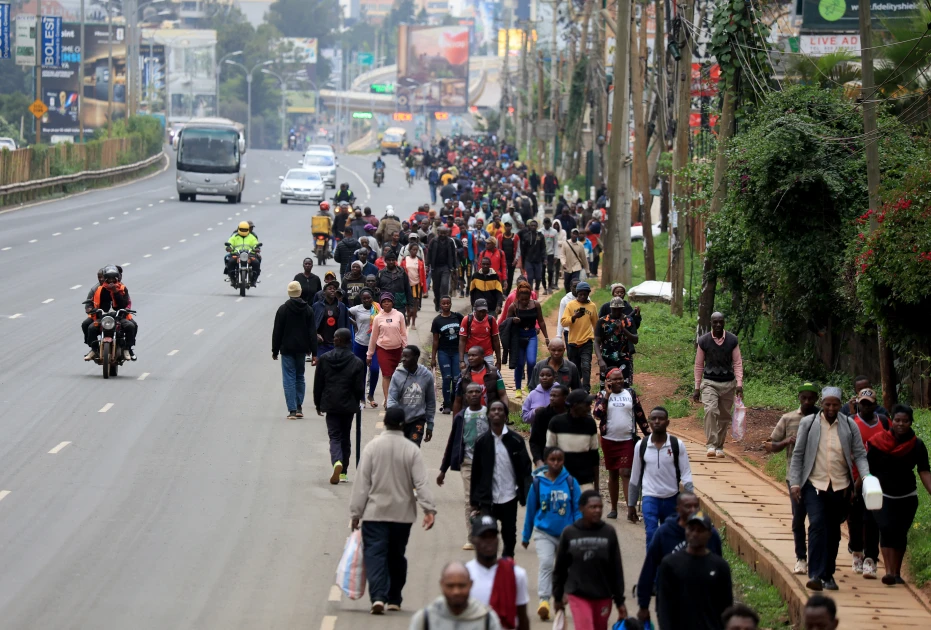
Demonstrators gather during protests over rising fuel prices in Nairobi, Kenya, on May 18, 2026. People walk home after public transport workers went on strike following the protests. Lucas Mukasa / Anadolu (Photo by Lucas Mukasa / ANADOLU / Anadolu via AFP)

Audio By Vocalize
Mozambique is the latest country to report supply challenges, with long queues seen at fuel stations and disruptions reported in cities including Maputo.
In East Africa, the crisis has also pushed up pump prices in Rwanda, Tanzania, Uganda and the Democratic Republic of Congo, even as Kenya maintains supply under its government-to-government fuel importation framework.
Treasury CS John Mbadi has warned Kenyans to brace for a prolonged crisis, saying the war in the Middle East has forced global markets into a scramble for alternative sources of fuel.
Mbadi said the region produces a significant share of global fuel supplies and remains a key source for African markets, meaning disruptions can quickly ripple across economies.
The impact has been more severe in Ethiopia, where public and private transport has been disrupted in the capital Addis Ababa amid shortages that have reduced daily diesel availability, leaving vehicles parked for extended periods.
Burundi has also been hit by what officials describe as unprecedented fuel scarcity, with long queues reported at petrol stations in Bujumbura and public transport disrupted, slowing economic activity.
In Kenya, the government says it has moved to secure supplies by contracting firms including Abu Dhabi National Oil Company, Emirates National Oil Company and Aramco to source fuel outside troubled supply routes and avoid dry pumps.
The government has ruled out calls by opposition leaders to review the G-to-G importation arrangement, with Mbadi warning that changing the framework could risk fuel shortages.
“If we review G-to-G we will end up with no fuel in the country,” he said.
Join the Discussion
Share your perspective with the Citizen Digital community.
No comments yet
This discussion is waiting for your voice. Be the first to share your thoughts!