
Pregnancy and depression: When joy of motherhood turns into a woman's nightmare
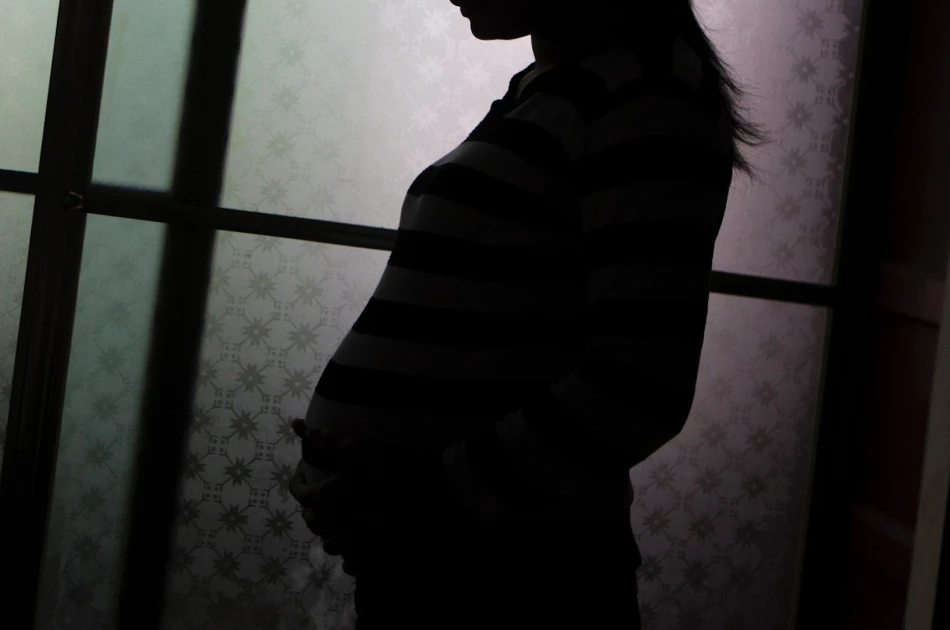
Woman poses for pictures during an interview with Reuters at her home in Ganzhou, Jiangxi province, March 13, 2014. REUTERS/Alex Lee

Audio By Vocalize
Each year, millions of women experience pregnancy. The transitions into motherhood are often painted as joyful, but for many Kenyan women, the journey comes with physical, emotional, and mental hurdles.
While pregnancy is widely celebrated, the reality frequently includes financial strain, physical exhaustion, and undiagnosed mental health struggles.
Some women experience depressive symptoms during pregnancy or after childbirth.
These symptoms, ranging from intense anxiety to extreme fatigue, often go unnoticed or are dismissed as part of the process. Experts link these rising numbers to limited social support and low income levels.
For a new mother, life changes overnight. The constant demands of a newborn, coupled with body changes and financial pressure, can become overwhelming. When faced alone, these challenges often spiral into depression.
Prenatal Depression
Occurring during pregnancy, this condition is marked by persistent sadness, withdrawal from loved ones, and a lack of interest in the pregnancy itself. In severe cases, it can lead to thoughts of self-harm.
"During my first pregnancy, my colleagues didn't understand that my mood swings were a result of the life growing inside me. They judged me, not knowing that wasn't my normal self. After I gave birth, they noticed the change in my attitude immediately,” Mary told Citizen Digital.
Mary urges society to be more patient with expectant mothers, noting that prenatal depression is far more than just the "baby blues," which typically resolve within three weeks.
Perinatal Depression
This encompasses the period during pregnancy and up to one year after birth. It is more severe and longer-lasting than temporary mood shifts.
Symptoms include intense anxiety, difficulty bonding with the baby, and severe insomnia.
"By the time I gave birth, I think I lost it. I was like 'nilli chizi'. I was looking at the baby, wondering if it was even mine. Later, on my next pregnancy, I suffered a stillbirth, and the guilt was so heavy I got pregnant again just to stop people from asking 'How is the baby?” June shares.
June’s journey took a physical toll as well, following complications from a natural birth after only a week, due to her womb not being cleaned properly causing her to bleed severely. Though treatment she eventually lost her womb. "When people ask if you're adding another kid," she says, "they don't know the silent battles you’ve passed through."
Impact on the Child
Untreated perinatal depression doesn't just affect the mother. It increases the risk of premature birth, low birth weight, and delayed development.
Mothers struggling with their mental health may find caregiving difficult, which can impact the vital early bonding process.
However, there is hope. Studies show that when partners and families are informed and involved, the risk of long-term psychological effects on both mother and child drops significantly.
Join the Discussion
Share your perspective with the Citizen Digital community.
No comments yet
This discussion is waiting for your voice. Be the first to share your thoughts!