
Pharmacies put on alert after first Ebola case confirmed in Kenya


Audio By Vocalize
PSK said in a statement that pharmacy care teams should be prepared to recognise risk, protect themselves and other patients in the case of a surge in the deadly virus.
Pharmacists have been urged to remain alert of patients exhibiting symptoms related to Ebola like fever, fatigue, chills, muscle pain, sore throat or other concerning symptoms.
"Where clinically appropriate, establish relevant recent travel and exposure/contact history early," PSK said.
They have also been urged to maintain minimal contact with persons with suspected cases, and avoid unnecessary physical examination, injections, and invasive procedures without appropriate gear like PPE.
"Promptly engage the appropriate public-health/surveillance channels in accordance with Ministry of Health guidance. The Ministry has also provided toll-free line 719 for official information," the statement added.
They have however been warned to observe patient confidentiality and should not share names, photographs, or travel details of suspected cases.
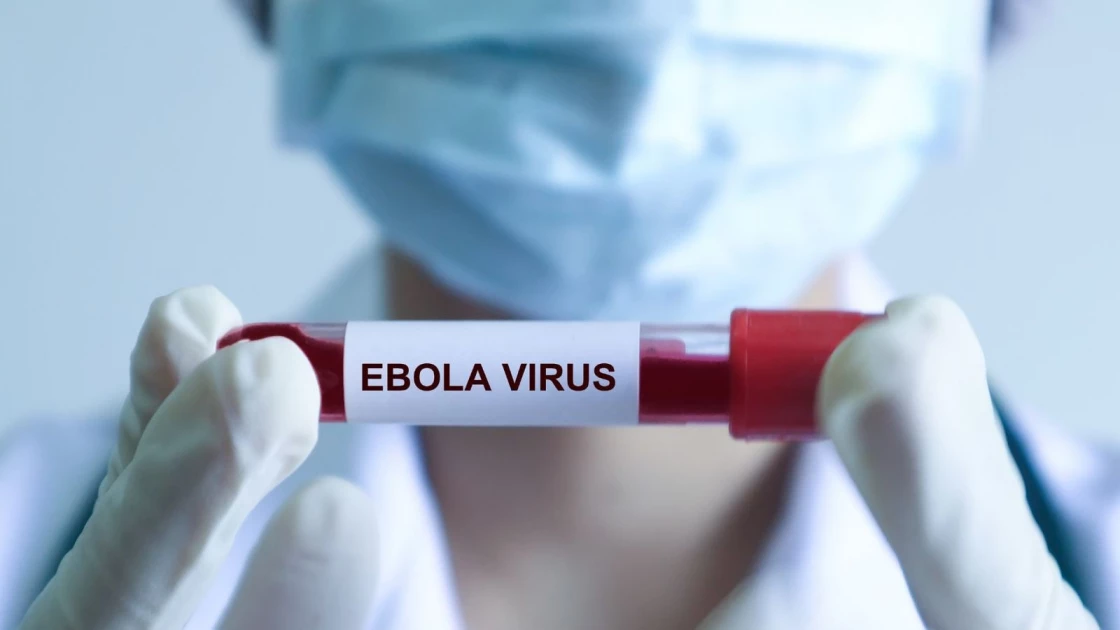
Health Cabinet Secretary Aden Duale announced on Tuesday that Kenya recorded the first case and death of Ebola Bundibugyo virus (BDBV) disease, a severe and often fatal form of Ebola disease.
CS Duale said that the patient, a Kenyan citizen, arrived in Kenya on October 3 after living in the Democratic Republic of Congo (DRC) for 7 years.
The patient fell ill about a month ago and was treated in several hospitals while still in DRC and later travelled from DRC to Kampala by road and later to Nairobi on a Jambojet flight.
They were later transferred to the Nairobi Hospital, where he received medical aid but succumbed to the virus on Monday night.
The patient was buried on Tuesday in line with the Ebola public health protocols.
Meanwhile, the Ministry has listed 28 contacts who interacted with the deceased, and a further 23 passengers and four crew members from the flight are being pursued.
The incubation period for Ebola is between two and 21 days.
Director-General for Health Dr Patrick Amoth has explained that most people develop symptoms within the first four to five days after exposure and that transmission occurs once symptoms develop.
He also advised infected mothers against breastfeeding because of the risk of transmission.
The DG said survivors should also be reintegrated into society with dignity after recovery, noting that people who remain symptom-free for 21 days can be cleared.
For male survivors, he said semen testing is conducted monthly until two consecutive negative results are recorded before they can be advised to resume normal sexual relations.
The government is mobilising about Ksh.70 billion, as the National Treasury has set aside an initial Ksh.2.6 billion for emergency response.
Join the Discussion
Share your perspective with the Citizen Digital community.
No comments yet
This discussion is waiting for your voice. Be the first to share your thoughts!