
OPINION: What would happen if your salary was delayed for a week?
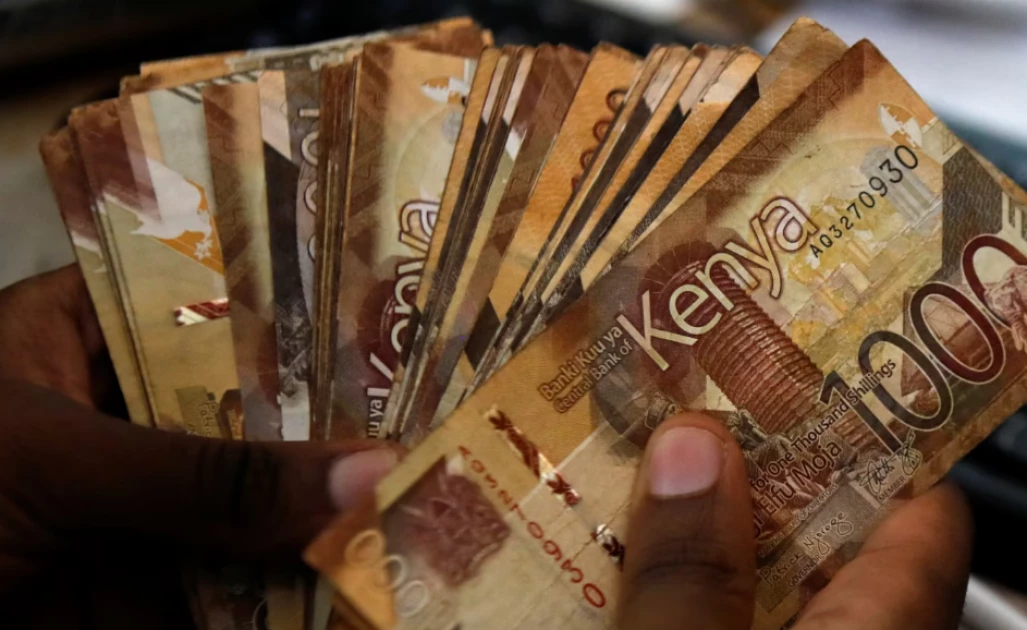
FILE — Kenyan currency notes are pictured inside a cashier's booth at an Equity Bank branch, Nairobi, May 16 2023.

Audio By Vocalize
The end of the month is fast approaching. A tingle of excitement sets in because the prospect of your salary enabling you to pass by the watering hole for two beers with the boys as you make your way home is getting closer to reality.
An e-mail from the payroll office notifying you of a delay in salaries occasioned by a technical challenge with closing the payroll on time hits your inbox at 3.57pm. The memo signed by the Head of Human Resources is apologetic for any inconvenience this delay may have caused.
You remain glued to your seat at the office,
staring at the screen of your laptop, wondering what options you have at your
disposal and which action would be more urgent than the other. Should you shut off the laptop, pick up your
things and make your way home or sit there and weigh your available options?
Some of the options running through your mind at the time may include calling your friends to open a WhatsApp group or writing a post on social media to express your feelings on how the situation is going to affect you.
You might also consider taking a soft loan from your
partner for money. As you explore the
many options including selling your furniture or that plot of land you bought
and have never visited, calling the landlord to break the sad news, making a
phone call to your bank manager, borrowing money from one of your colleagues
who sells farm produce to you at the office or making a withdrawal from your
emergency fund. Your preferred travel
experience may have to be relegated, and your appetite for roast meat may now
be substituted for green leafy vegetables.
This absence of money may lead you to
experience some weakness, lethargy, or even lead you to calling in sick the
following day because all the promises you made to yourself and others may not
come to be. Some of the people in this
very special category who have received promises from you may include your
landlord, neighbourhood shopkeeper and your buddy who settled your bill the
last time you were together at the local watering hole.
There may also be a long list of
beneficiaries on your schedule of obligations in black taxes. These obligations,
which may have always been met consistently and without fail, may lead the
beneficiaries of your philanthropy to call and ask why their disbursements have
not been remitted on time. What would
you do if this setback persisted or was sustained over a string of several
months?
Situations like these can easily be managed if you have an emergency fund that you can call on in times of need. The recommended amount of savings in your emergency fund would range between 6 to 12 times your monthly living expenses.
Setting off on this journey is often the most difficult. If you are struggling with the challenges surrounding drafting and following a budget, begin by opening a Money Market Fund and requesting your payroll office to deduct only 1% of your income and depositing it into your new Money Market Fund account.
You can progressively review the amount you allocate to personal savings and investment upwards at the end of every year until you are saving and investing 70% of your income. Freed-up funds from maturing loans can progressively be added to fuel your growing investments.
According to the Fund
Managers Association, Money Market Funds generated a return of 12.96% to
investors over the 12 months to March 2025. At this rate of return, a deposit
of Ksh.10,000 per month into a Money Market Fund, held for 7 years, will
earn you an equal amount from the same account for the rest of your life
thereafter, without drawing down on the capital you will have accumulated in
the fund, while also creating room for transition of inter-generational wealth.
There are many personal saving and
investment products available in the market and it is important to identify a
mentor or accountability partner and an investment professional who can assist
you with understanding your investor profile so that you can begin selecting assets
that are in alignment with your personal profile and investment objectives as
you work towards building an investment portfolio.
Life-changing decisions, like opting to draft a budget and sticking to it, preparing your net worth statement, analysing your passive income, and even understanding what a minute of your time is worth will often improve your relationship with money.
This ultimately sets you on a path towards building
a diversified portfolio as you prepare for the time in your life when you will
wake up to do what you have always wanted to do. A regular review of your portfolio and what
is available in the market will enable you to understand what your next best
alternative investment decision might be.
Pre-retirement planning does open our eyes
to opportunities for personal investments and is an exercise that ought to be
taught earlier, rather than later in our careers. Our ability to ride the waves
and storms along this journey are largely determined by how prepared we are at
the time we encounter these big waves.
Having an emergency fund is essential for several compelling reasons. Firstly, it provides increased peace of mind, which in turn supports emotional well-being and reduces financial stress. It also helps you cultivate sound financial habits and discipline, encouraging a more intentional approach to saving and spending.
An emergency fund protects your friends and family from having to shoulder the burden of your financial setbacks, preserving both your independence and your relationships. Additionally, it offers a safety net when faced with significant, unexpected expenses such as urgent home or car repairs, or sudden medical bills.
In times when there are
delays in receiving income, the fund helps maintain steady cash flow, ensuring
your financial obligations are still met. Most importantly, it enables you to
avoid resorting to high-interest debt, allowing you to handle emergencies
without compromising your long-term financial stability.
This philosophy towards enabling your money
work for you while you sleep is what lays the foundation for fulfilling and
enjoyable experiences throughout your life, all the way into retirement.
Tony
Olang’ is the author of Eeney Meeney Money & More, How to Save 70% of Your
Income and is the Head of Data Centre, Digitization & Archival Services at the
CPF Group
Join the Discussion
Share your perspective with the Citizen Digital community.
No comments yet
This discussion is waiting for your voice. Be the first to share your thoughts!