
Opinion: What hosting the World Champs means for Kenya and its athletes
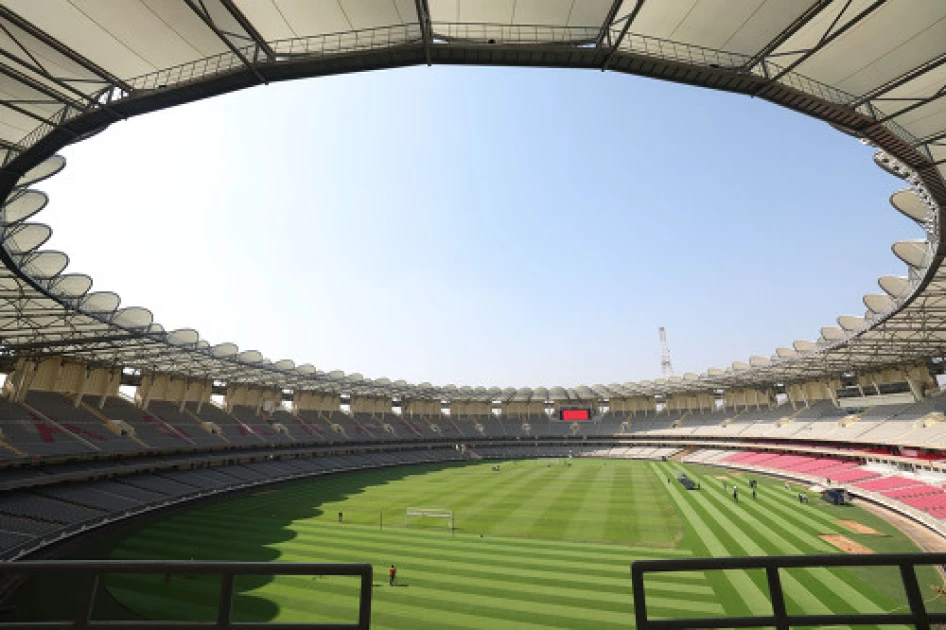
Moi International Sports Centre Kasarani Stadium on July 21, 2025 after undergoing renovations in preparation for hosting the 2024 African Nations Championship (CHAN). These renovations include a new canopy, upgraded lighting systems, improved playing field and track surfaces, revamped seating, and enhanced facilities. Photo/Sportpicha

Audio By Vocalize
Kenya’s greatest athletic milestone might not be the
next gold medal it claims, it could be the transformational path forged between
now and 2029.
With Nairobi designated as the host for the 2029
World Athletics Championships, it becomes the first African city to stage the
senior global event.
This historic decision places a long-standing titan
of track at the centre of the global stage, creating an opportunity whose
impact could extend far beyond the podium.
For Kenyan athletes, the appeal is immediate:
competing for world titles on home soil eliminates gruelling travel schedules
and foreign environments. Yet the deeper value lies in the long-term
infrastructure built before the first starter's pistol fires.
Rather than settling for a surface-level makeover of
the main stadium, Kenya must prioritize enduring upgrades—modernizing training
tracks, gym facilities, sports medicine, rehabilitation centres, and
specialized nutrition programs.
Crucially, this investment should extend into
disciplines where the nation has traditionally lagged. While Kenya’s dominance
in distance running from the 800m up to the marathon remains unmatched, Nairobi
2029 serves as a hard deadline to develop sprint, jump, and throw programmes.
The home-field advantage also brings distinct
challenges. Competing before a passionate home crowd carries immense pressure,
meaning mental conditioning must be elevated to a core component of elite
preparation rather than a secondary consideration.
Financially, the influx of global media, sponsors,
and tourism should directly enrich the athletes, ensuring their economic value
extends beyond standard performance bonuses.
Furthermore, hosting the world requires robust
anti-doping education, rigorous testing, and transparent athlete support to
safeguard the credibility of the sport locally and globally.
The true legacy of Nairobi 2029 will be judged long
after the closing ceremony. If Kenya emerges with world-class facilities,
comprehensive athlete support, expanded discipline participation, and a
sustainable talent pipeline, the event will yield a lasting return.
Without those structural shifts, it will remain
merely a memorable tournament rather than a watershed moment.
Join the Discussion
Share your perspective with the Citizen Digital community.
No comments yet
This discussion is waiting for your voice. Be the first to share your thoughts!