
OPINION: Thirty-five years later, Somaliland still stands

Audio By Vocalize
Every year when this anniversary approaches, I find myself thinking more about the generation that endured war, displacement, and unimaginable uncertainty, yet still found within themselves the strength to rebuild. I think about those who buried loved ones and returned to cities reduced to rubble, only to begin again from almost nothing.
To understand the emotional significance of May 18, one must first understand the history that preceded it.
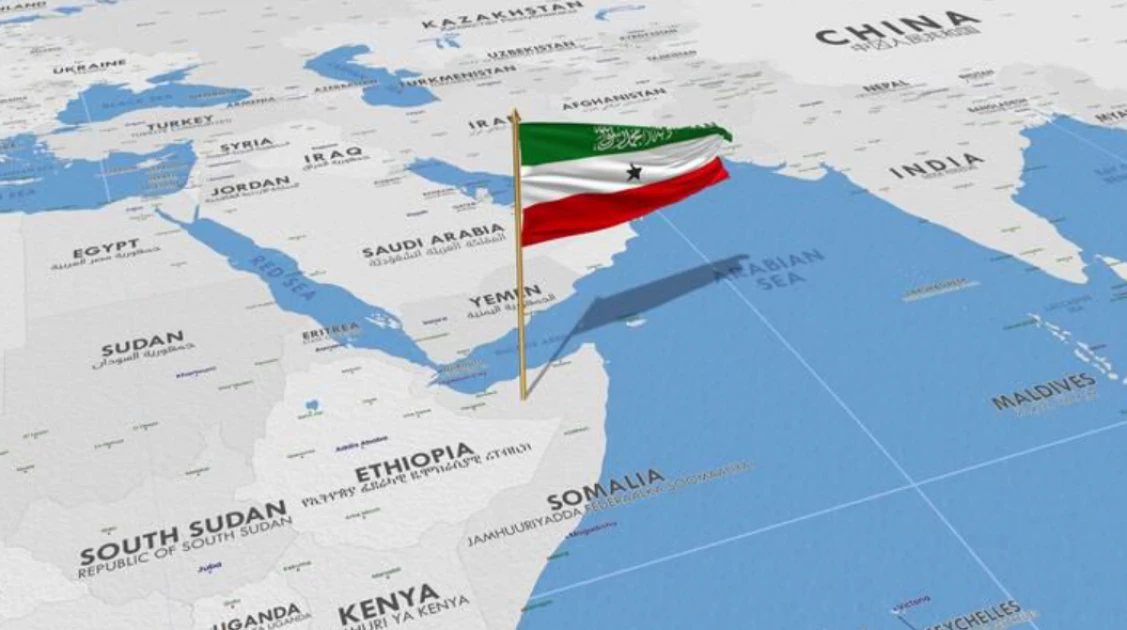
On June 26, 1960, the former British Somaliland Protectorate attained independence as the State of Somaliland. Days later, driven by the optimism of the era and the wider dream of Somali unity, Somaliland voluntarily entered into union with the Trust Territory of Somalia in pursuit of a greater Somali republic.
At the time, it was a sincere political vision. Across Africa, newly independent nations were emerging from colonial rule with enormous hope and ambition, imagining futures shaped by unity, self-determination, and shared identity. Somalilanders, too, believed they were contributing to something larger than themselves.
But history unfolded differently.
The years that followed gradually gave way to political marginalisation, authoritarianism, violence, and ultimately the collapse of the Somali state itself. For Somaliland, particularly during the final years of the military regime, the consequences were devastating. Entire communities were displaced. Cities were heavily damaged. Families were fractured by war and loss. Much of the physical and institutional foundation of society was left in ruins.
And yet, even in the aftermath of such destruction, Somaliland’s story did not end there. This part of its history deeply moves me because Somaliland was not rebuilt under easy circumstances. It was rebuilt by people who had every reason to surrender to exhaustion and despair, yet chose not to. There was no certainty then that peace would endure. No certainty that the institutions being formed would survive. No certainty that the sacrifices being made would amount to anything lasting.
And still, they built.
They built through dialogue. Through reconciliation. Through communities willing to sit together after years of conflict and slowly attempt the difficult work of trusting one another again. Elders and ordinary citizens alike became part of a national conversation about coexistence, governance and survival.
What Somaliland achieved through locally led reconciliation remains one of the most important yet often overlooked chapters in modern African state-building.
Because rebuilding after conflict is not simply an infrastructural exercise, it is psychological. It requires people to trust again. To coexist again. To sit across from one another again after years in which fear and violence had shaped everyday life.
Over the course of my first year serving as Ambassador of the Republic of Somaliland to Kenya, I have found myself reflecting on this history much more deeply than ever before. Representing Somaliland has reminded me that behind every national story are ordinary people whose resilience carried history forward. And perhaps nowhere is that resilience more visible than within Somaliland’s diaspora communities, with whom I have the honour of interacting.
Thirty-five years later, this past year has, in many ways, felt like a moment in which the outside world has begun paying closer attention to a reality Somalilanders have long known and sustained for themselves.
Conversations surrounding Somaliland have gradually shifted toward discussions of partnership, stability, trade, regional security, and its growing role within the Horn of Africa and the Red Sea corridor.
That shift became particularly noticeable following the State of Israel’s formal recognition of Somaliland in December 2025, a development that marked an important diplomatic moment in Somaliland’s modern history. Yet even then, it did not feel like the beginning of Somaliland’s story. If anything, it felt like a long-overdue acknowledgement of a reality that Somalilanders themselves had never abandoned.
Thirty five years later, Somaliland’s story remains, above all else, a human one. A story carried by memory, sacrifice and reconciliation. It is to that generation that I pay tribute today.
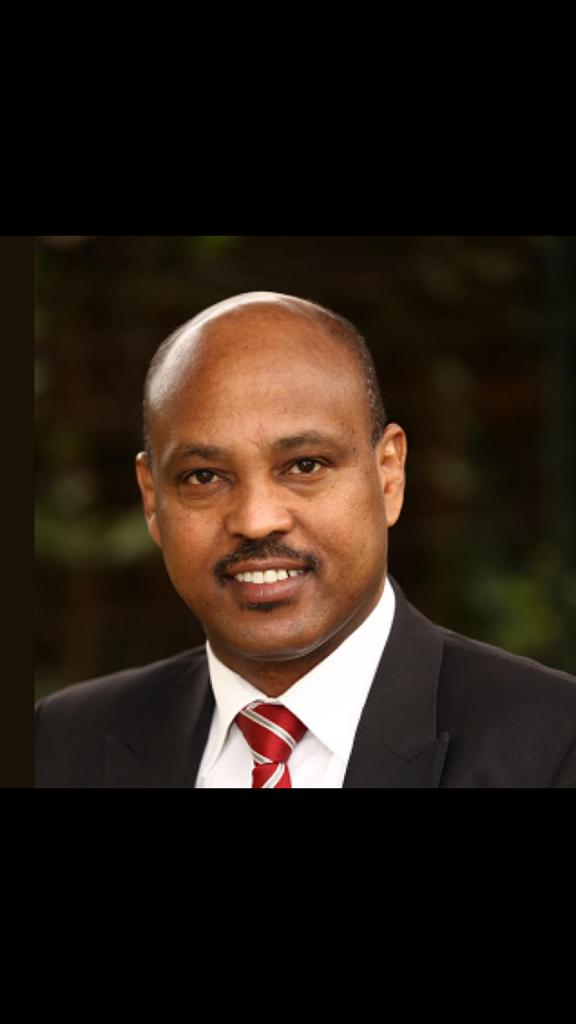
By Dr. Mohamed Abillahi Omar, Ambassador of the Republic of Somaliland to the Republic of Kenya
Join the Discussion
Share your perspective with the Citizen Digital community.
No comments yet
This discussion is waiting for your voice. Be the first to share your thoughts!