
OPINION: The richest source of choline and its importance in first 1,000 days of life

Audio By Vocalize
When we think about nutrition during pregnancy, nutrients such as iron, folic acid and calcium often dominate the conversation.
They are widely recognised for supporting healthy pregnancies and helping mothers meet the demands of carrying a child.
Yet there is another nutrient that plays a critical role in the development of a baby's brain and nervous system before birth, despite receiving far less attention.
What makes this even more remarkable is that one of the richest sources of this nutrient is found in a food that is affordable, accessible and consumed in many Kenyan households every day.
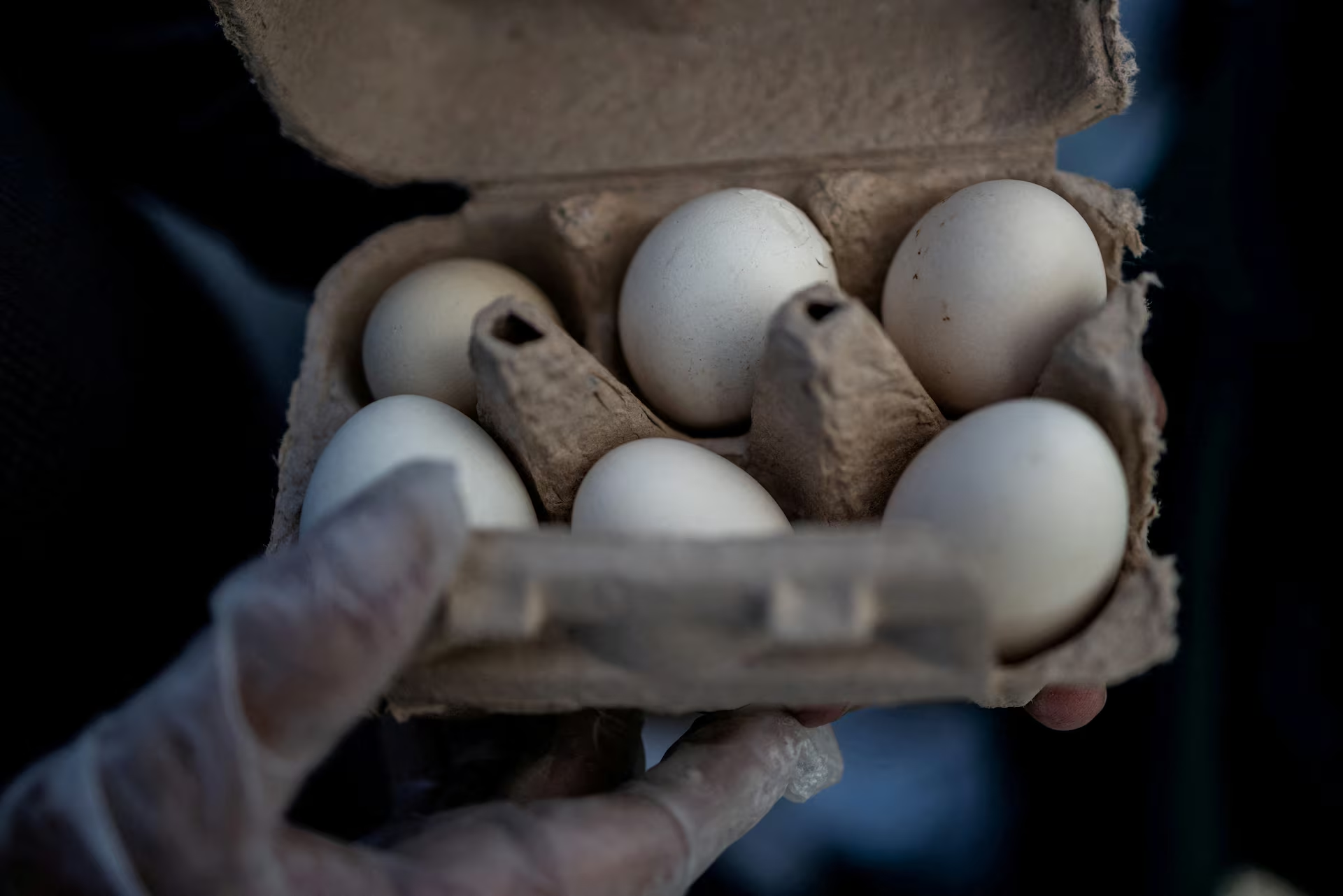
The food in question is the humble egg.
Eggs are among the richest natural sources of choline, an essential nutrient that supports the formation of cell membranes and healthy nervous system development and brain function.
During pregnancy, choline plays a particularly important role in the development of the baby's brain and spinal cord, helping to lay the foundation for memory, learning and cognitive function later in life.
The first 1,000 days of life, from conception to a child's second birthday, are widely recognised as a critical window for growth and development.
Nutrition during this period can have lifelong implications for health, educational outcomes and overall wellbeing.
While Kenya has made significant progress in improving maternal and child health, ensuring adequate nutrient intake, such as choline, remains an important part of the conversation.
Research from around the world suggests that many women do not consume enough choline during pregnancy.
This is not necessarily due to negligence or lack of awareness. Rather, choline has historically received less public attention than nutrients such as folate and iron, despite mounting evidence of its importance.
This presents an opportunity for healthcare professionals, nutritionists and policymakers to broaden discussions on maternal nutrition.
Expectant mothers should be provided with practical information about the foods that can help them meet their nutritional needs throughout pregnancy.
Fortunately, choline is found in several foods already common in many Kenyan households. Eggs are among the richest and most affordable dietary sources. Other sources include chicken, fish, meat, dairy products and certain legumes.
Including a variety of these foods in a balanced diet can support maternal health and foetal development.
For many families, affordability remains a key consideration when making food choices. This is why nutrient-dense foods are so important.
An egg, for example, provides high-quality protein alongside essential nutrients, including choline, vitamin B12 and selenium. When combined with fruits, vegetables, whole grains and other protein sources, it can contribute meaningfully to a healthy pregnancy diet.
Making nutritious food more accessible is equally important. As more Kenyan families look for convenient, affordable sources of high-quality protein, neighbourhood outlets and trusted food providers are helping to bridge that gap.
Initiatives such as Kenchic Mtaani, which bring fresh poultry products closer to communities, are making it easier for households to access nutrient-rich foods as part of a balanced diet.
The conversation about maternal nutrition should not centre on promoting a single food or chasing nutritional trends. Instead, it should focus on ensuring women have access to diverse, safe and nutritious diets throughout pregnancy and beyond.
Healthcare providers also have a role to play by discussing nutrition early and consistently throughout antenatal visits. Small dietary changes during pregnancy can have lasting benefits for both mother and child.
As Kenya continues to prioritise maternal and child health, it is worth asking whether sufficient attention is being paid to all the nutrients that support healthy development.
Choline may not receive the same level of recognition as other nutrients, but its role in brain development makes it an important part of the broader nutritional story.
Every child deserves the strongest possible start in life. Supporting mothers with accurate nutritional information and access to nutritious foods is one of the most effective ways we can invest in our collective future.
The author, Belinda Nyakiti is a nutritionist, lecturer and health fitness guru
Join the Discussion
Share your perspective with the Citizen Digital community.
No comments yet
This discussion is waiting for your voice. Be the first to share your thoughts!