
OPINION: The drama festival needs a Creator Playbook

Audio By Vocalize
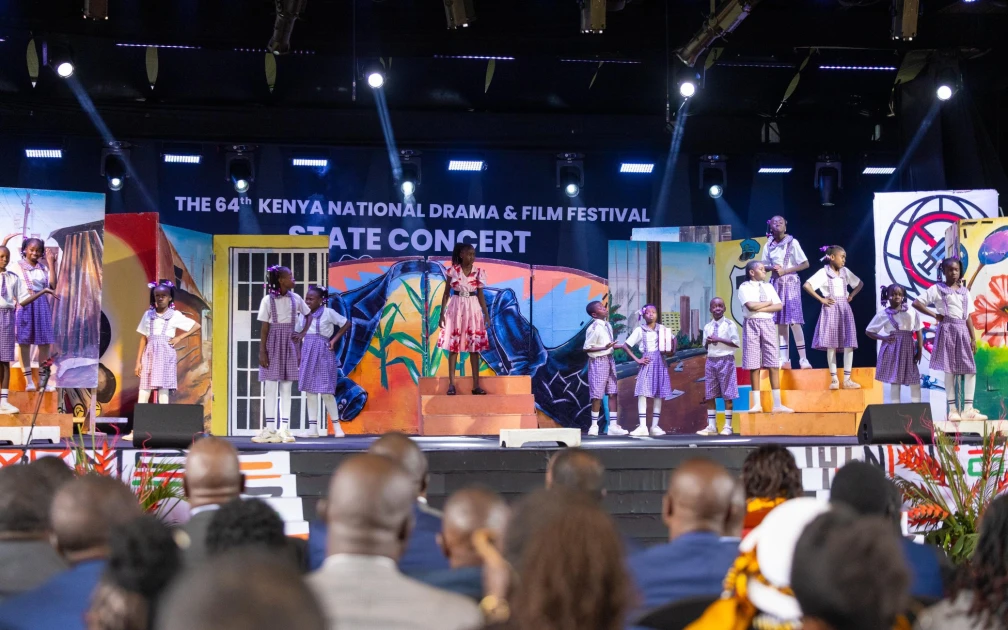
The 2026 Kenya National Drama and Film Festival has signalled a shift in how the country should develop creative talent. The formal inclusion of Grade 10 in assessment, alongside filmmaking masterclasses for teachers led by Tunga Afrika and the Kenya Actors Guild, marks a shift from performance-based art to industry-aligned skills development.
More than 120,000 learners from pre-primary to university took part in this year’s edition, underlining the scale of a platform where the classroom, the stage, and the policy environment are now aligned. The opportunity is to convert that alignment into economic outcomes.
In the UK, the creative industries contributed an estimated Ksh25 trillion in gross value added in 2024, according to UK government data, and continue to outpace the wider economy. In Kenya, the creative economy is estimated to contribute over 5 percent of GDP and continues to expand, driven by a young and digitally native population. The country has talent and the pipeline; the task now is to build the rails that turn learning into livelihoods.
The missing link is a practical toolkit: an applied creative entrepreneurship playbook. Without it, the festival will continue to produce high-quality performances without building pathways for income. With it, the system can support young creators to earn, comply with basic requirements, and operate safely in a digital marketplace.
This year’s performances suggest that students are ready for that transition. They engaged with advanced themes, including the role of artificial intelligence in learning, raising questions about how technology can enhance education without replacing human judgement.
These debates reflect the direction of Kenya’s National AI Strategy 2025–2030 and emerging standards on ethical AI use, as reflected in the Kenya Bureau of Standards’ draft Code of Practice.
Students also demonstrated an understanding of digital platforms as tools for production and distribution. Through TikTok, podcasts, and other formats, they showed how audiences can be built and retained, while highlighting the risks of shortcut culture and the importance of ethical, lawful content.
Financial literacy featured prominently. Performances illustrated small traders banking daily income to establish transaction records and access credit, households using mobile channels for budgeting and school fees, and youth groups pooling savings and purchasing insurance to manage risk.
In agriculture, students linked irrigation, crop protection, and digital finance to productivity and market access. These are practical capabilities now recognised as part of learning.
The Kenya Institute of Curriculum Development’s decision to include Grade 10 in formal assessment, and to set benchmarks for subsequent cohorts, confirms that creative work should be integrated into learner portfolios and schemes of work. This creates a pathway to embed applied skills within the curriculum.
A creator's playbook would operationalise that shift. At a minimum, it should cover basic financial management: budgeting productions, maintaining records, taxation and intellectual property, online safety, data protection, analytics, and audience management. The festival already provides the delivery architecture. The next step is to connect these elements into a continuous system.
Measurement will be critical. Beyond awards, stakeholders should track teachers trained on these modules, the uptake of formal financial practices among student groups, the shift to traceable digital payments, and the number of creative teams that formalise and access financing. Publishing these indicators would allow parents, schools, and policymakers to assess returns on investment.
The partner ecosystem present at the festival reflects this broader transition. Institutions including the Kenya Revenue Authority, Communications Authority, Ethics and Anti-Corruption Commission, Kenya Cultural Centre, KUCCPS, and private sector players such as Equity Bank point to the festival’s emerging role as a platform for the digital creative economy.
Each has a defined role. Revenue authorities can simplify tax compliance for early-stage creators. Regulators can reinforce standards on content and online safety. Curriculum bodies can institutionalise proven practices. Financial institutions can demonstrate how transaction records translate into access to capital. Education placement agencies can clarify progression pathways.
Within that coalition, Equity Bank introduced a sub-theme, Leveraging Technology to Make Banking a Lifestyle — From a place you go… to something you do. Students interpreted this shift in practical terms.
Performances showed small traders moving from cash to traceable payments and using that record to unlock working capital. Households demonstrated the use of mobile channels for fees and budgeting, improving predictability and financial discipline. Youth groups pooled savings on digital platforms to fund inputs and insure against risk, while women’s collectives used instant payments to reach buyers across counties.
These examples point to a broader transition: banking not as an occasional transaction, but as an enabling layer for production, exchange, and growth.
The policy direction is clear. The next phase is to codify these practices into a national creator's playbook, pilot it through the festival cycle, and extend it across co-curricular programmes. Performance will remain the anchor, supported by systems that ensure continuity between events. This approach positions the festival not only as a cultural platform, but as a pipeline that converts creative talent into sustained income and enterprise.
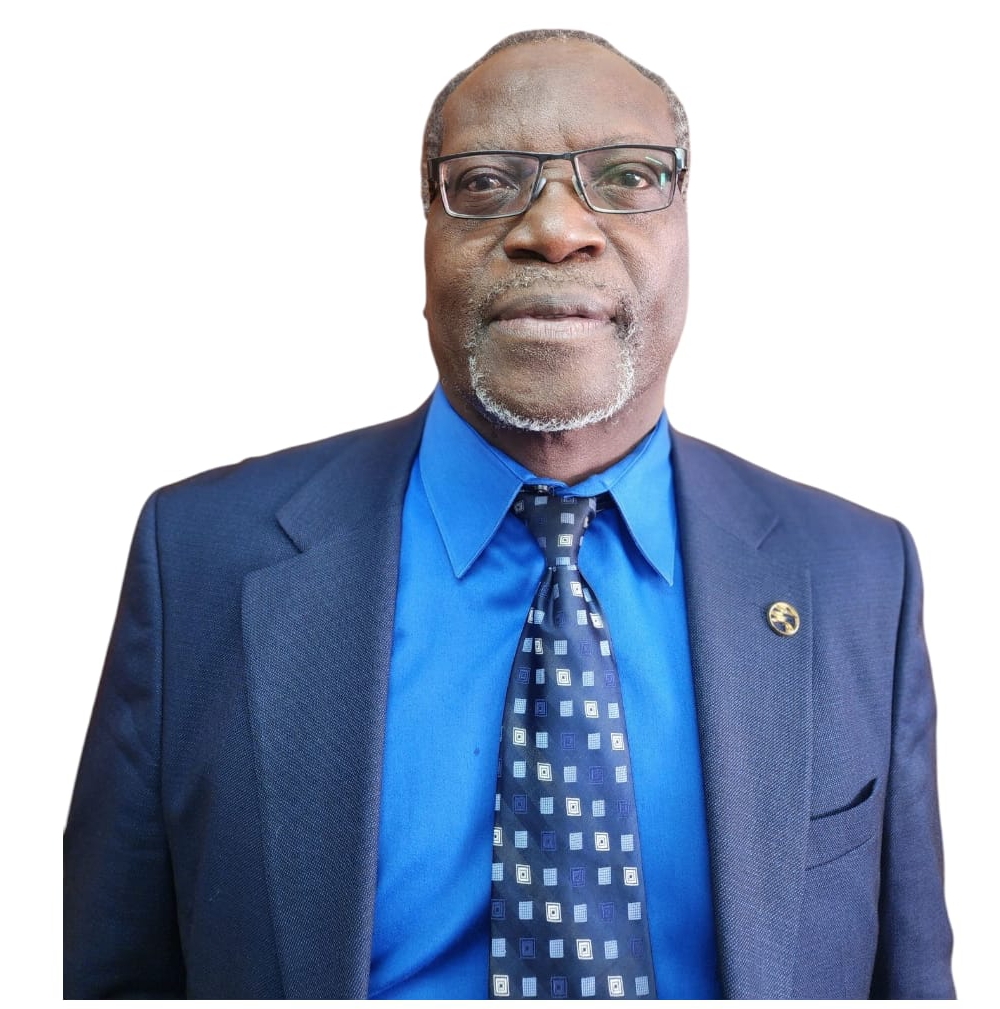
The author is the National Chairman at the Kenya National Drama and Film Festival
Join the Discussion
Share your perspective with the Citizen Digital community.
No comments yet
This discussion is waiting for your voice. Be the first to share your thoughts!