
OPINION: Good nutrition is our first line of defence against disease

Audio By Vocalize
Last year, non-communicable diseases (NCDs) such as diabetes, hypertension, heart disease, stroke and certain cancers accounted for 61.7 per cent of all hospital deaths in Kenya, up from 52.4 per cent the year before.
They are also behind more than half of all hospital admissions. Much of this burden can be traced to what we put on our plates every day.
Kenya now faces a triple burden of malnutrition. We have made real progress against undernutrition: stunting among children under five fell from 26 per cent in 2014 to 18 per cent in 2022.
At the same time, 45 per cent of women aged 20 to 49 are now overweight or obese, up from 38 per cent in 2014, and only about half of women eat a sufficiently varied diet.
Micronutrient deficiencies persist, with anaemia affecting roughly four in ten pregnant women and one in four pre-school children.
As Kenya advances towards Universal Health Coverage (UHC) through a strengthened primary health care system, prevention must come first.
Good nutrition supports the growth and development of children and adolescents, strengthens immunity, speeds recovery from illness and keeps our workforce productive.
It is one of the most cost-effective investments we can make in public health and economic development.
Government is playing its part. Community Health Promoters are taking nutrition education and screening into households across the country.
Mandatory fortification of staple foods such as maize flour, wheat flour and edible oils is helping close micronutrient gaps.
The Kenya Nutrient Profile Model is guiding how foods high in sugar, salt and unhealthy fats are labelled and marketed. But policy alone cannot change what families eat. That change begins at home.
We recognise that many households are feeling the pressure of food prices. Eating well, however, need not mean eating expensively.
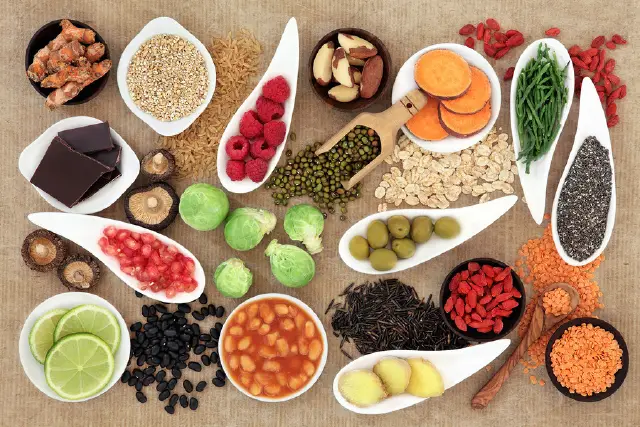
Our traditional vegetables, legumes and seasonal fruits are among the most nutritious and affordable foods available.
Daily meals should combine a variety of foods, including protein sources such as beans, peas, lentils, fish, eggs, milk, meat, nuts and seeds.
Every Kenyan should aim for at least five portions of fruit and vegetables a day: three of vegetables and two of fruit, where a portion is roughly a handful.
Vegetables should include dark green leafy varieties such as sukuma wiki, spinach, managu and terere, alongside carrots, pumpkin and other locally available produce. Whole fruits are better than juices.
How we cook matters as much as what we cook. Steaming, boiling, roasting and baking are healthier than deep frying; steaming in particular preserves vitamins that are lost when vegetables are overcooked.
We should use less cooking oil and keep total salt intake below one teaspoon (5 grams) a day, as the World Health Organization recommends.
Sugary drinks, sweets, cakes, heavily salted foods and highly processed snacks should be occasional, not daily.
Good nutrition begins in the first 1,000 days of life. Mothers should breastfeed exclusively for the first six months and continue breastfeeding alongside nutritious complementary foods up to two years and beyond.
As children grow, parents and caregivers should ensure they eat a nutritious breakfast with at least three food groups, and choose healthy snacks such as green maize, sweet potatoes, milk, fruits, nuts and fortified porridge.
Children should be encouraged to drink water instead of sugary beverages.
Eating together as a family is a simple but powerful habit. It helps manage portions, promotes balanced meals and allows parents to model the choices they want their children to make.
Nutrition assessment should also become part of routine preventive care. Members of the public are encouraged to visit qualified nutritionists at their nearest health facility, or to speak with their Community Health Promoter, even when they feel well.
Early assessment helps detect malnutrition and diet-related risks before they become disease. People living with chronic conditions such as diabetes and hypertension should seek personalised nutrition guidance as part of their care.
We must also confront the growing challenge of nutrition misinformation. Social media is awash with unverified diet advice, misleading health claims and products that may cause harm.
Kenyans should consult qualified professionals before adopting restrictive diets or buying products promoted as cures.
Promoting good nutrition is a shared responsibility. Schools should make healthy eating part of learners’ daily routine, religious institutions should carry nutrition messages into their congregations, healthcare workers should strengthen counselling at every contact, and the media should share accurate, practical and evidence-based information.
I urge every Kenyan to start today. Fill half your plate with vegetables and fruits, cut back on sugar, salt and fried food, drink enough water and visit your nearest health facility for a nutrition assessment.
Do not wait for illness to strike before making healthier choices, and share only verified health information with family, friends and neighbours.
A healthier Kenya begins in our homes, with the food we prepare and the choices we make every day. Let us make good nutrition a household priority, a community responsibility and a national commitment.
The author, Mary Muthoni, is the Principal Secretary, State Department for Public Health and Professional Standards, Ministry of Health.
Join the Discussion
Share your perspective with the Citizen Digital community.
No comments yet
This discussion is waiting for your voice. Be the first to share your thoughts!