
OPINION: Digital payments are closing the gender inclusion gap in Africa’s commerce
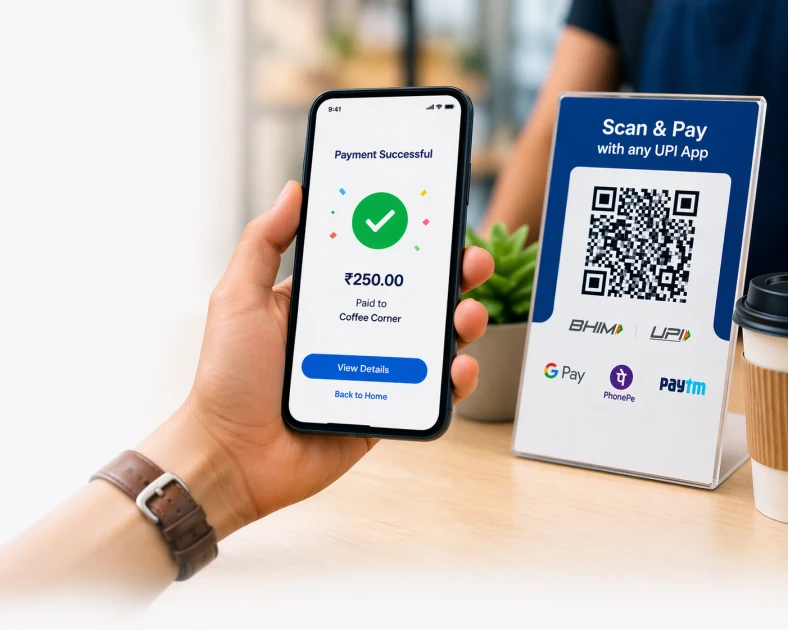
This is an AI-generated image.

Audio By Vocalize

This year’s International Women’s Day (IWD) was a buzz as
women across the world celebrated under the theme ‘Give to Gain’. One key
insight that echoed across discussions, rooms and plenary sessions was the call
for stakeholders across different sectors to invest in women to gain in the
long run. This is in support of the ongoing rallying call to close the gender
gap, with voices from different events indicating that it has gone on for far
too long.
As a leader in the payments sector, my reflection is on building
payment systems that work for women and women-led businesses. Why? When
you look at our economic system, women are the majority participants,
especially in informal economies, standing at 74 per cent in sub-Saharan Africa,
further emphasising the need for payment systems that reflect their
realities.
Currently, women who operate small businesses, manage
households, and participate heavily in informal economies have a distinct
financial behaviour that looks different from the patterns designers
traditionally build for.
Traditional financial products have often been built for
larger merchants with predictable revenue streams. In contrast, many women
traders operate on thin margins, making multiple small transactions throughout
the day and at times over an irregular period as well. Therefore, payment
systems that impose high transaction fees, minimum thresholds, or involve
complex onboarding processes can unintentionally exclude those who need them
most. This then begs the question, what can be done to fix this?
Perhaps the most overlooked factor in building inclusive payment systems is who is involved in designing them. There needs to be more representation in fintech leadership, engineering, and product design to ensure inclusive insights into user needs.
Women bring first-hand experiences that can
shape more inclusive financial products, whether that means designing
interfaces that accommodate lower literacy levels, creating payment tools that
support informal group savings, or ensuring safety features that protect users
from financial fraud and abuse.
Once women have been invited into the design room, the next
step is to develop products that are accommodating and inclusive. Many women
run businesses that still rely heavily on cash-based transactions and localised
customer networks. While these businesses are resilient, they often face
limitations in scaling beyond immediate communities.
However, digital payment acceptance changes this dynamic.
When women entrepreneurs can accept seamless online or cross-border payments,
they gain the ability to reach customers far beyond their physical locations.
This can start small and expand cross border. As an example, my rice vendor is
in Mwea and yet she delivers aromatic rice to me in Nairobi. Eventually, she
can scale to distribute in neighbouring countries through an affordable
e-commerce solution.
Another persistent challenge facing women entrepreneurs is
access to finance. Many businesses struggle to obtain investment because they
lack formal financial records or traditional collateral.
Digital payments can help address this gap by creating
reliable transaction histories and records. Every digital payment accepted
contributes to a verifiable record of business activity, helping enterprises
demonstrate revenue patterns and financial stability.
Over time, these digital footprints strengthen credit scores and provide financial institutions with the data needed to assess risk more accurately and fairly. In this way, payment acceptance becomes a gateway to broader financial inclusion, enabling women entrepreneurs to transition from informal operations into more structured and scalable enterprises.
Payment
Service Providers like Network International (Network) have taken this a step
further by offering merchants Easy Credit solutions that enable merchants
access to business funding, including women.
Additionally, security also plays a crucial role in
encouraging women to adopt digital payment systems. Concerns about fraud,
privacy, or misuse of personal information can discourage adoption,
particularly for women who already face higher risks in informal business
environments.
Modern payment solutions are addressing these concerns
through stronger compliance frameworks, data protection, and secure transaction
technologies. For example, QR-based payment systems allow customers to complete
transactions without sharing sensitive personal details such as phone numbers.
For millions of women entrepreneurs, digital payments
represent a pathway to growth, formalisation, and financial security. Payment
platforms that enable seamless acceptance, create verifiable financial records,
and prioritise safety can play a transformative role in closing long-standing
economic gaps.
When payment systems are built with these realities in mind,
they unlock opportunities that help women-owned businesses scale, participate in
global markets, and contribute more fully to economic growth.
The long-term result? Promoting women’s economic justice and
rights in the economy and closing gender gaps are key to achieving the 2030
Agenda for Sustainable Development. A report by the World Bank further shows that
if gender gaps were closed in digitization, employment and entrepreneurship, we
could increase the global GDP by 20%, which should a be a strong motivation to
do more.
The writer is the Regional Managing Director – East
Africa, Acquiring at Network International
Join the Discussion
Share your perspective with the Citizen Digital community.
No comments yet
This discussion is waiting for your voice. Be the first to share your thoughts!