
OPINION: Africa’s mobility opportunity needs the right conditions to thrive
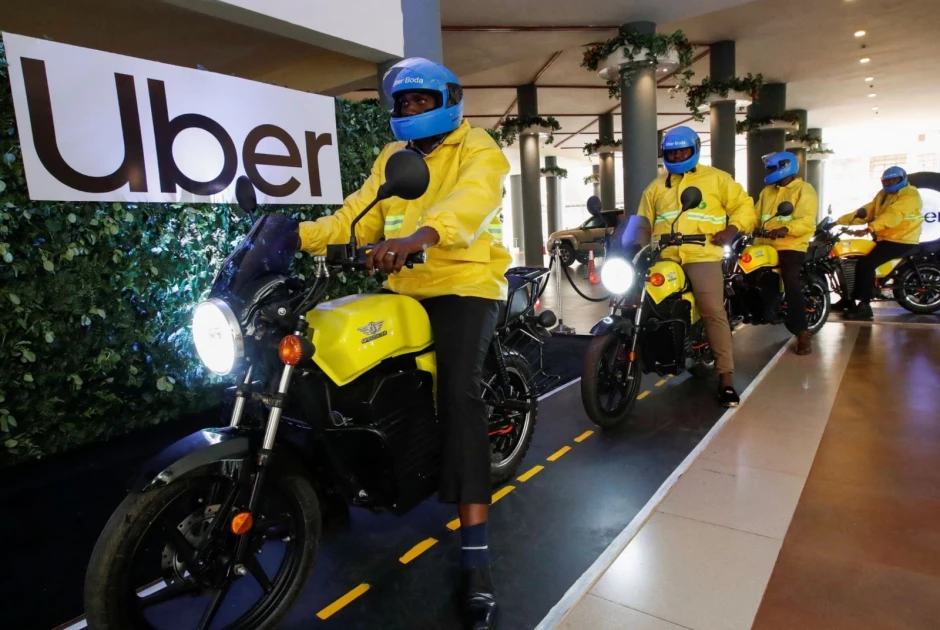
Uber boda boda riders prepare to ride the first fleet of the company's electric product during their launch in Nairobi, Kenya, August 31, 2023. REUTERS/Monicah Mwangi

Audio By Vocalize
Africa has never lacked ambition or an appetite for innovation. Across the continent, technology has transformed how people communicate, access financial services, run businesses and participate in the economy.
Mobility has the potential to be the next great chapter of that story.
By 2050, Africa’s urban population is expected to reach 1.4 billion. As cities grow, so too will the need for transport systems that are accessible, reliable and able to adapt to the different ways people move. At the same time, millions of young Africans are seeking flexible ways to earn and participate in an increasingly diverse digital economy.
The proof of concept is already here. Riders and drivers are embracing tech-enabled mobility solutions daily.
The opportunity now is for platforms and governments to co-create modern frameworks that keep riders safe, support earner livelihoods, and allow these solutions to scale.
Over a decade of operating across Africa has shown us that there is no single mobility model for the continent. Successful innovation starts by understanding how people already move and then investing in technology to make those options more accessible, efficient, and reliable.
Africa has the opportunity to define its own mobility blueprint; one built around the unique needs, ambitions and opportunities of its cities.
Regulation enabler of innovation
For people to benefit from new mobility solutions, the right foundations need to be in place. This includes physical infrastructure: electric mobility, for example, requires reliable and affordable charging or battery-swapping networks, appropriate financing and resilient energy systems.
Affordability is another important part of the equation. In markets where household purchasing power is under pressure and the cost of operating a vehicle continues to rise, the challenge is finding the right balance: keeping mobility accessible for riders while supporting sustainable earning opportunities for drivers. Flexible models that can respond to local economic realities will be essential to achieving that balance.
Equally important is a regulatory environment that can evolve alongside technology. Many transport laws were developed before technology transformed how people move. Regulation remains essential for ensuring safety, accountability, and trust, but frameworks must evolve to avoid creating non-conducive friction.
As mobility models evolve, regulatory frameworks need to evolve alongside them. Complex licensing processes, pricing mandates or supply restrictions affect how mobility models can effectively operate and scale.
For driver-partners, access to an operating license can be an important gateway to flexible earning opportunities and participation in the formal economy. More streamlined processes and frameworks that reflect local market dynamics can help balance sustainable earning opportunities, rider choice and the conditions needed for continued investment.
Governments, platforms and the wider transport ecosystem players can work together to develop future-proof digital policies and frameworks that protect consumers and earners while preserving the flexibility needed for innovation.
These clear, predictable policies can create a level playing field, giving businesses the confidence to invest for the long term.
Realising that potential will require active collaboration between governments, tech platforms, financial institutions and transport operators.
If we get those conditions right, the opportunity goes far beyond mobility. We can make cities more accessible, expand flexible earning opportunities, strengthen tourism and enable more people to participate in the economic growth of their communities. That is the mobility future we have an opportunity to build together.
The writer, Deepesh Thomas, is the General Manager, Sub-Saharan Africa & Morocco, Uber
Join the Discussion
Share your perspective with the Citizen Digital community.
No comments yet
This discussion is waiting for your voice. Be the first to share your thoughts!