
OPINION: A deadly virus, and the centre U.S wants on Kenyan soil
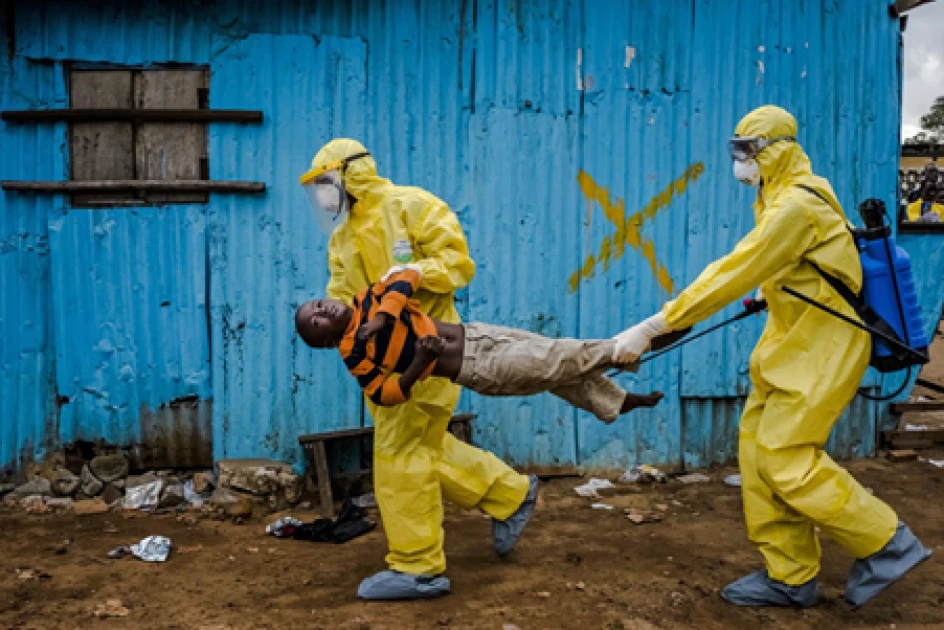
What makes Ebola so dangerous is how it moves. The virus passes from person to person through contact with infected bodily fluids such as blood or vomit.

Audio By Vocalize
By Agbegnigan
Yaovi
Behind the
confrontation now unfolding in Kenya lies a simple, grim fact: Ebola is one of
the deadliest and most contagious diseases known, and it is that danger the
United States says it is trying to keep at bay. To do so, Washington wants a
quarantine centre on Kenyan soil, and American military aircraft have been
landing at Laikipia Air Base to help make it a reality.
The fear the virus
inspires is not misplaced. Ebola is rare but frequently fatal. Symptoms can
take anywhere from two to twenty-one days to appear, and when they come, they
arrive suddenly, resembling flu or malaria at first, with fever, headache and
exhaustion. As the illness advances, vomiting and diarrhoea set in, organs can
begin to fail, and some, though not all, patients suffer internal and external
bleeding.
What makes it so
dangerous is how it moves. The virus passes from person to person through
contact with infected bodily fluids such as blood or vomit. For years,
outbreaks tended to be small and confined to remote rural areas, where they
could be contained. That is changing. As towns and cities expand, larger
populations are being pushed closer to the natural reservoirs where the virus
lives, raising the risk that a local flare-up becomes something far harder to
stop.
It is against that
backdrop that the United States has moved to build its facility at Laikipia, a
50-bed centre intended to hold American citizens exposed to the current
outbreak in the Democratic Republic of Congo and Uganda. The stated logic is
containment: keep those who may be infected close to the outbreak, and away
from American soil, until the danger passes.
Washington is
prepared to pay heavily for it. The White House has asked Congress for more
than USD 1.4 billion to confront the outbreak, including some USD 800 million
tied to the Kenyan centre, covering not only the building itself but supplies,
treatment, contact tracing, a regional logistics network and infection-control
measures. And the American presence on the ground is already visible: US Air
Force flights have continued to arrive at Laikipia in support of the project.
Yet the same
danger that Washington cites as its reason for building the centre is precisely
what has turned the people living beside it against the plan. In Nanyuki, the
town nearest the site, protests have run for at least two consecutive weeks in
June. Demonstrators threw up burning barricades; police responded with live
rounds, tear gas and water cannon. The confrontations proved deadly, with two
protesters shot dead by police and at least one more killed in the clashes that
followed.
The objection is not
hard to understand. A facility built to shield Americans from a lethal virus is
being placed among Kenyans who never asked to host it, and who now fear that
the very disease it is meant to contain could reach them instead. For
Washington the centre is a shield. For Nanyuki, it looks like the risk itself
has been moved to their doorstep, and the arriving aircraft are a daily
reminder of who the shield was built to protect.
Join the Discussion
Share your perspective with the Citizen Digital community.
No comments yet
This discussion is waiting for your voice. Be the first to share your thoughts!