
NTSA boss Kondiwa explains why instant traffic fines aren't paid through eCitizen
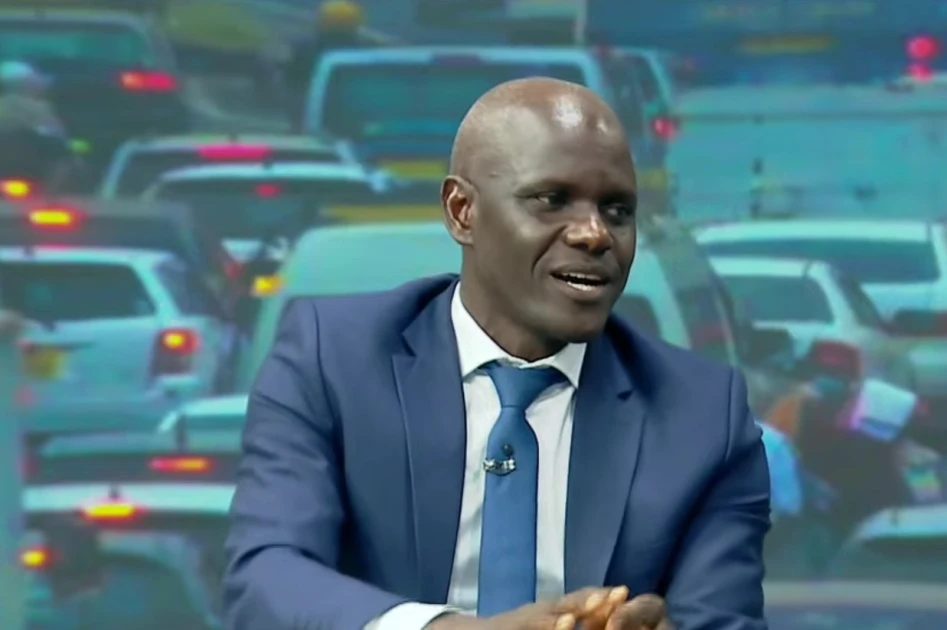
NTSA Director General Nashon Kondiwa speaks during an interview on Citizen TV on June 30, 2026. Photo/Courtesy

Audio By Vocalize
Speaking during an interview on Citizen TV's The Explainer, NTSA Director General Eng. Nashon Kondiwa said the authority deliberately opted against using eCitizen as the primary payment platform for the fines, despite being one of the government's biggest users of the digital service.
According to Kondiwa, the decision was informed by concerns that fraudsters could exploit digital payment channels to scam unsuspecting motorists.
"When it is M-Pesa, confusing someone is very easy, so we're using a second layer before people pay," stated Kondiwa.
He explained that while most eCitizen payments are made through M-Pesa or bank cards without any physical interaction, NTSA intentionally introduced an additional verification step for instant fines.
"For eCitizen, the payment is mostly through M-Pesa and credit cards. There's no cash payment and there's no physical interaction. We're adding physical interaction because even before we launched this system, we had received many SMS scams claiming to facilitate fine payments. Out of an abundance of caution and to protect Kenyans, we added another layer of physical interaction," Kondiwa stated.
The NTSA boss noted that motorists are currently required to visit a KCB branch or KCB agent to complete the payment after receiving an official notification.
"When you receive the message, which is a notification, you open the link and get the details of how you can pay. Right now we have two options, a KCB branch or a KCB agent. The message will include the vehicle registration number, the exact location where the offence occurred, the specific traffic violation, and it will come from the official NTSA short code," he stated.
Kondiwa added that motorists are able to verify the payment reference at the bank before making any payment, reducing the likelihood of 6 victim to fraud.
"We're just adding another layer because when you get to the bank, you'll have the reference number and you'll find that same reference reflected in the bank's system, so that you're not paying money into an account without another level of verification," he explained.
He emphasized that the authority was fully aware of the potential risks associated with digital payment systems before introducing the instant fines programme.
"In fact, NTSA has been using eCitizen more than many other institutions. For us to use this route, it means that when introducing this product to the market, we understood where the loopholes were."
He added that the authority mapped the entire customer journey before rolling out the system to identify possible vulnerabilities.
"When introducing a new product into the market, you examine the customer's journey from end to end. You identify the possible fraud elements, especially for digital products, and put measures in place to protect the customer," he said.
On concerns over road safety enforcement, Kondiwa maintained that road signs remain the primary means of communicating traffic regulations to motorists, regardless of whether speed cameras are installed.
"We have road signage, which is enough communication. The communication that there is a camera monitoring is additional, but a road is supposed to communicate with the people. The moment you see a speed limit sign, as a driver, what you are trained to do is obey that road sign," he stated.
The NTSA Director General also addressed concerns about recklessness within the public transport sector, saying the challenges facing ride-hailing services and matatus require broader reforms.
"The problem with Uber and matatus is a completely different issue. It is about how we organise transport in the country, and that is another hurdle we are addressing. We have designed a credit guarantee scheme to support public transport operators in purchasing the right type of vehicles, subject to strict conditions on service standards and operational models," Kondiwa remarked.
Join the Discussion
Share your perspective with the Citizen Digital community.
No comments yet
This discussion is waiting for your voice. Be the first to share your thoughts!