
Nairobi housing pressure fuels rise of eco-friendly developments in Nairobi
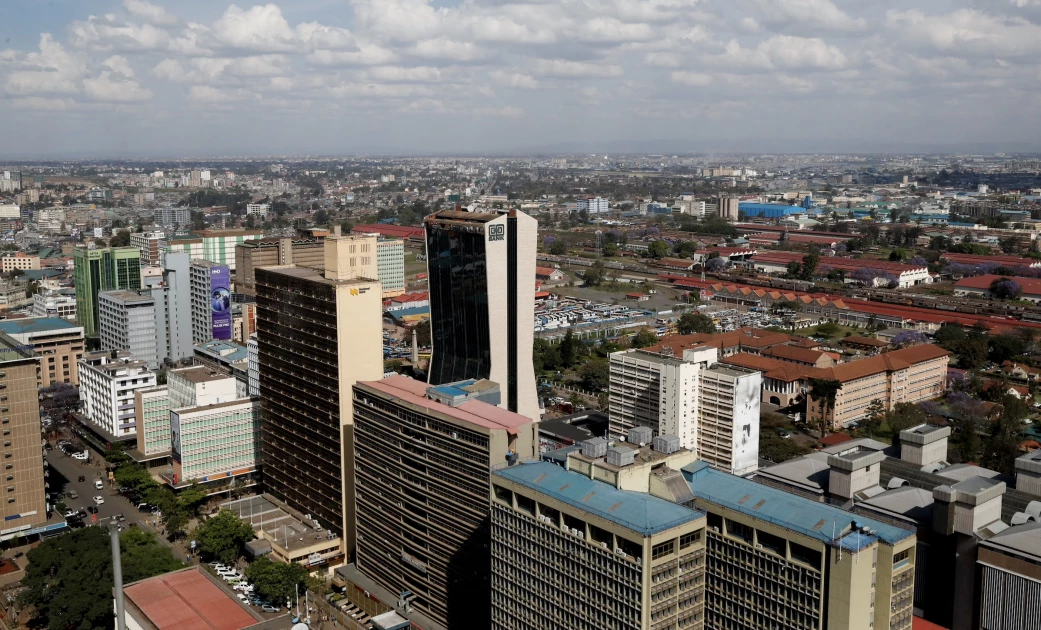
An aerial view shows the skyline of downtown in Nairobi, Kenya October 8, 2024. Picture taken on October 8, 2024. REUTERS

Audio By Vocalize
Nairobi’s growing housing deficit is driving a new wave of eco-focused mixed-use developments as investors seek to meet rising demand for accommodation in the city’s high-end suburbs.
Real estate players say increased urbanisation, expanding
diplomatic presence and growing demand for both short-term and long-term
accommodation continue to pile pressure on housing supply in areas such as
Gigiri, Westlands and Kilimani.
Industry estimates indicate that Kenya’s housing deficit
stands at more than two million units, with Nairobi accounting for a
significant share due to its position as the country’s commercial and
diplomatic hub.
Hospitality Advisor Håvar Bauck said Nairobi still has room
to expand as a regional hospitality destination, noting that serviced
apartments in key locations continue to experience high occupancy levels due to
demand outpacing supply.
The pressure is expected to intensify further with the
continued expansion of the United Nations Office at Nairobi, which plans to
increase conference capacity and host thousands of delegates during major
international events.
Stakeholders say the shortage is particularly acute in the
affordable and middle-income housing segments, although premium diplomatic
zones such as Gigiri are also experiencing supply constraints because of
limited land and strict zoning regulations.
Developers are now increasingly turning to integrated
projects that combine residential units, serviced apartments and hospitality
facilities.
One such project is Silva Gigiri, which is expected to
include 185 housing units alongside restaurants and wellness facilities.
Developer Bishar Dhere said the project was designed with
environmental sustainability in mind due to its proximity to forested areas and
a nearby river.
“We wanted something that respects the environment. The
forest and river are only about a hundred metres away, so we designed the
development to coexist with nature rather than disrupt it,” he said.
Head of Sales Wendy Nyambura said Nairobi’s persistent
housing shortage continues to present attractive opportunities for investors
seeking to tap into growing demand for premium accommodation.
Stakeholders noted that addressing Nairobi’s widening
housing gap will require coordinated efforts between private developers and
government agencies to balance infrastructure development, environmental
conservation and growing urban demand.
As Nairobi strengthens its position as a regional hub for
diplomacy, trade and international conferences, demand for quality housing and
hospitality services is expected to continue rising faster than supply.
Join the Discussion
Share your perspective with the Citizen Digital community.
No comments yet
This discussion is waiting for your voice. Be the first to share your thoughts!