
NACADA validates guidelines to expand drug rehabilitation services in communities

Audio By Vocalize
The guidelines provide a framework for delivering prevention, treatment, recovery and reintegration services at the grassroots level, addressing barriers that prevent many people struggling with substance use disorders from accessing formal care.
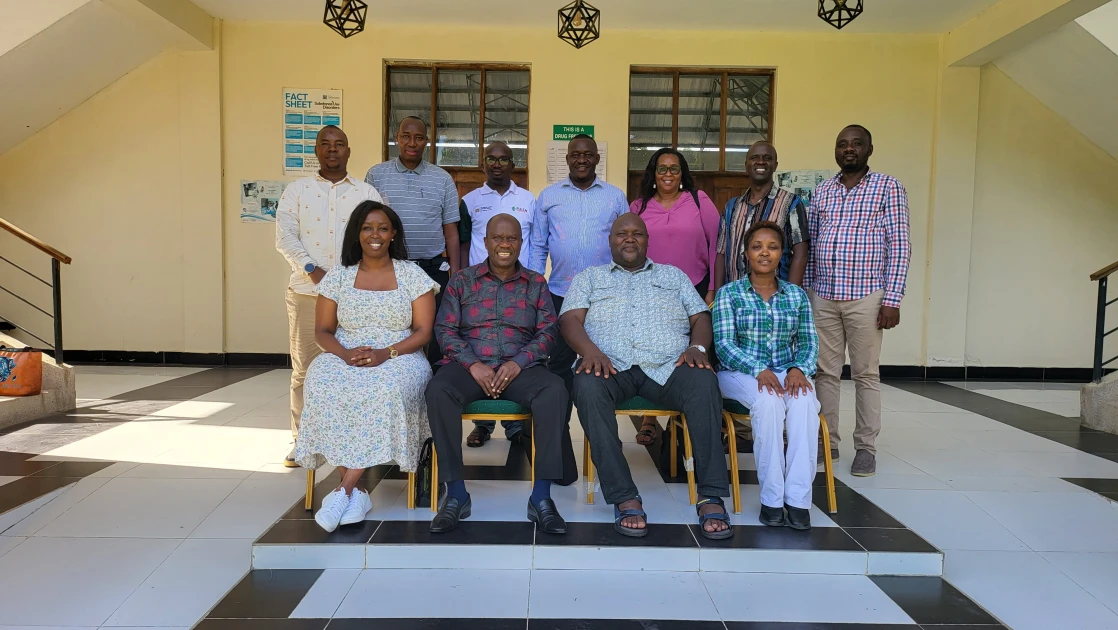
The decision was reached during a board meeting chaired by NACADA Board Chairperson Stephen Mairori, marking a step towards decentralising rehabilitation services and strengthening community-based approaches to substance abuse treatment.
Kenya has 135 accredited treatment and rehabilitation facilities with a combined capacity of 3,790 beds, according to the release, limiting access to formal treatment for people in need of assistance.
NACADA's National Survey estimates that approximately 1.36 million Kenyans aged between 15 and 65 have severe alcohol use disorder, while 887,627 have severe tobacco use disorder.
The guidelines seek to address challenges including the high cost of treatment, stigma, limited access to services and shortages of trained addiction professionals by integrating rehabilitation into primary healthcare and existing community structures.
Under the framework, services will cover prevention, early identification, screening, referral, treatment, recovery support, aftercare, relapse prevention and social reintegration.
Proposed interventions include outpatient treatment programmes, medication-assisted treatment, peer support groups, mobile treatment units, harm reduction services, sober living homes and faith-based programmes.
The framework also provides for the establishment of Community Coordination Committees to coordinate services at the local level.
The committees will bring together health professionals, social workers, psychologists, Community Health Promoters, people with lived experience of substance use disorders, families, local administrators and faith-based organisations.
Community Health Promoters will play a role in identifying people who may need assistance, conducting screenings using validated tools and facilitating referrals to appropriate services.
The guidelines prioritise vulnerable and underserved groups, including persons with disabilities, out-of-school children and youth, street-connected persons, refugees, internally displaced persons, older people and individuals in contact with the criminal justice system.
They also promote gender-responsive services, trauma-informed care and the involvement of families and caregivers throughout the recovery process.
Beyond treatment, the framework emphasises helping individuals return to their families and communities through educational support, vocational training, employment opportunities, housing assistance and measures to reduce stigma.
NACADA's proposed framework also includes monitoring and evaluation mechanisms, a standardised training curriculum for community rehabilitation personnel, and supervision and mentorship structures.
Data collection will be aligned with national health information systems, including the Electronic Community Health Information System, to support the tracking of programme performance and client outcomes.
The guidelines incorporate safeguards on informed consent, confidentiality, data protection and protection from abuse and exploitation. They also prohibit partnerships with industries dealing in alcohol, tobacco and other harmful substances through conflict-of-interest provisions.
With the guidelines now validated, NACADA is expected to proceed towards implementation in collaboration with county governments and community organisations.
The move is intended to strengthen access to rehabilitation services outside institutional facilities and support long-term recovery for people affected by drug and substance use disorders.
Join the Discussion
Share your perspective with the Citizen Digital community.
No comments yet
This discussion is waiting for your voice. Be the first to share your thoughts!