
Mwaura defends Ayabei’s TSC appointment, says disability shouldn't be barrier to leadership
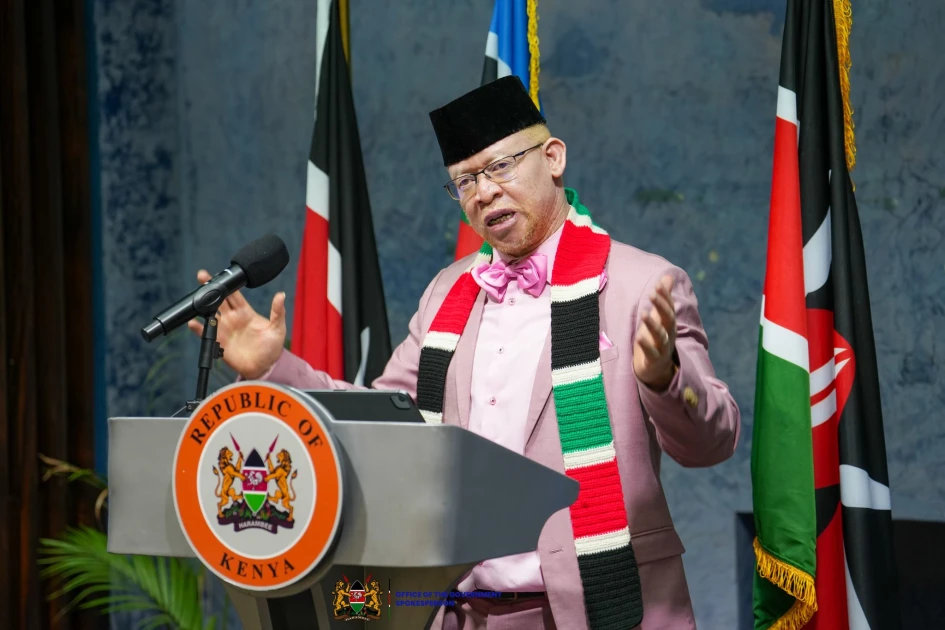
Head of the Office of Diversity, Inclusion and Disability Rights, Isaac Mwaura, during a past press briefing. PHOTO | COURTESY

Audio By Vocalize
Speaking during a press briefing at Harambee Annex in Nairobi, Mwaura defended Cheptumo Ayabei's appointment as the new Chief Executive Officer (CEO) of the Teachers Service Commission (TSC), arguing that persons with disabilities have long been overlooked for senior leadership positions despite having the necessary qualifications and experience.
“His (Ayabei’s) tribe is disability,” Mwaura declared, dismissing attempts to frame the appointment along ethnic lines.
He maintained that Ayabei's professional record and performance during the recruitment process should take precedence over criticism questioning his suitability on account of his disability.
Ayabei's appointment marks a historic milestone, making him the first person with a disability to head the TSC since independence and the first to lead an independent or constitutional commission in Kenya.
Mwaura challenged politicians, particularly those in the opposition, to stop reducing public appointments to ethnic considerations, warning that such debates risk perpetuating discrimination against marginalised groups.
He also revealed that Ayabei had previously emerged top in an earlier recruitment exercise that resulted in Nancy Macharia's appointment as TSC Chief Executive Officer. However, he claimed, gender considerations at the time saw Macharia secure the position.
The appointment has renewed attention on the representation of persons with disabilities in public institutions, particularly in light of Article 54(2) of the Constitution, which requires the State to ensure that at least five per cent of members of elective and appointive bodies are persons with disabilities.
Mwaura said Ayabei's elevation represents a shift towards substantive inclusion, giving persons with disabilities an opportunity to lead public institutions, make key decisions and influence national policy.
Join the Discussion
Share your perspective with the Citizen Digital community.
No comments yet
This discussion is waiting for your voice. Be the first to share your thoughts!