
MPs warn new Strategic Goods Bill could slow down trade, raise costs
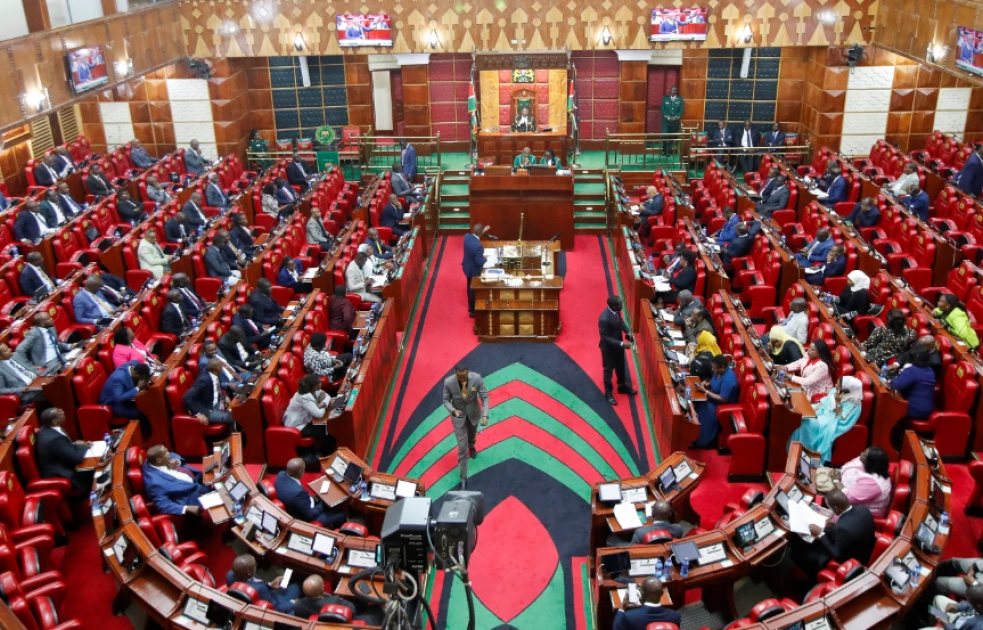
A general view shows Kenyan Members of Parliament as they discuss the impeachment of then Deputy President Rigathi Gachagua inside the Parliament buildings in Nairobi, Kenya October 8, 2024. FILE PHOTO | REUTERS

Audio By Vocalize
A Parliamentary committee has raised concerns over the structure, oversight mandate and operational framework of the Strategic Goods Control Bill, 2026, warning that it could create a costly and overly bureaucratic system that may slow down trade instead of improving it.
The concerns were raised on Tuesday during public participation on the Strategic Goods Control Bill (National Assembly Bill No.15 of 2026), sponsored by Majority Leader Kimani Ichung’wah, before the National Assembly Departmental Committee on Administration and Internal Security.
The Bill seeks to regulate the trade, transfer, import, export and transit of strategic goods, sensitive technologies and dual-use items that could pose security risks if they fall into the wrong hands.
Stakeholders who appeared before the committee included representatives from the State Department for Internal Security and National Administration, the Ministry of Defence, the Office of the Attorney General, the State Department for Trade, Investment and Industry, and the State Department for Mining.
Members of the committee, led by Chairperson Narok West MP Gabriel Tongoyo, questioned why the Bill proposes a committee structure instead of a fully-fledged regulatory authority or board.
“The objective of this Bill is to control trade in strategic goods and technology, but in my view this would have been better handled by a board or regulatory authority rather than a committee,” Tongoyo said.
He noted that sensitive sectors such as firearms and nuclear materials are already overseen by independent regulators, warning that the proposed committee may lack sufficient authority and efficiency.
Responding to the concerns, Principal Parliamentary Counsel in the Office of the Attorney General, Olivia Simiyu, said the intention was not to create another large state corporation, but to establish a coordinating mechanism for existing regulators.
She said the committee would bring together agencies such as those handling nuclear safety and firearms licensing to streamline verification and oversight processes.
However, MPs maintained that the Bill appears to give the committee powers similar to a regulator, including registration, licensing, suspension of licences and handling appeals.
They warned that this could create confusion, as the same body would be expected to both regulate and provide oversight.
Saku MP and committee Vice Chairperson Dido Rasso also warned that the proposed framework could create a large and expensive bureaucracy requiring a wide secretariat and specialised staff drawn from multiple agencies.
He questioned why the government was introducing a new structure instead of strengthening existing institutions that already handle border control and security matters.
Rasso also warned that traders could end up dealing with multiple approvals from different agencies, making it harder to do business.
The committee further raised concern over clauses that appear to exempt national security agencies from the law while also involving them in its implementation.
Suna West MP Peter Masara sought clarity on which Cabinet Secretary would be responsible for implementing the law, noting that it cuts across both internal and external security matters.
He further called for clear qualifications for the proposed director of the secretariat, saying the role would require a highly skilled and experienced officer to coordinate several technical agencies.
Simiyu said the government was open to amendments and confirmed that consultations had been ongoing since 2015, involving the ministries of Health, Trade, ICT, Interior, National Treasury and the Attorney General’s office.
She added that ICT was later included due to emerging issues around artificial intelligence and technology transfer.
Security sector representatives defended the proposal, saying the committee structure would reduce costs by using seconded officers from existing agencies instead of hiring new staff.
However, a representative from the National Intelligence Service acknowledged concerns that a committee structure may be less effective than a full regulatory authority, but said the government was acting under directives to reduce the number of state agencies.
Despite the differences, MPs agreed to continue consultations to refine the Bill and strike a balance between national security needs and ease of doing business.
Join the Discussion
Share your perspective with the Citizen Digital community.
No comments yet
This discussion is waiting for your voice. Be the first to share your thoughts!