
Monkeypox: From beginnings in Africa to global spread

Audio By Vocalize
On Thursday, World Health Organization (WHO) experts will meet to decide whether a surge in infections outside Africa since May now constitutes a global health emergency.
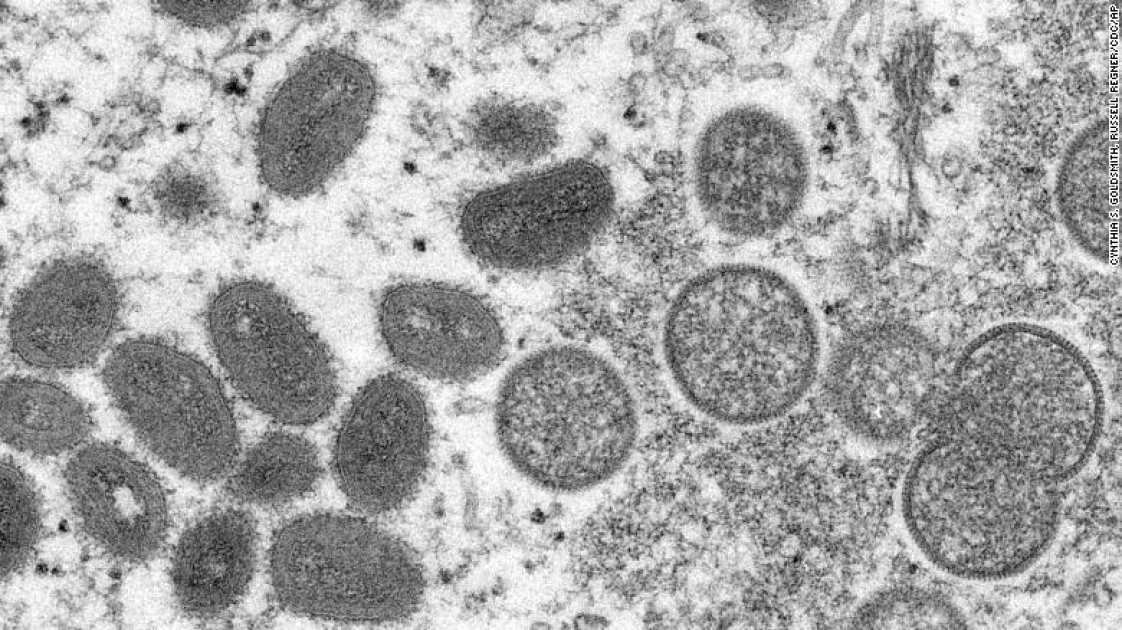
Monkeypox, so called because it was first discovered in a monkey, is related to the deadly smallpox virus, which was eradicated in 1980, but is far less severe.
The strain currently circulating outside Africa is the milder of two known versions.
- 1970: First case in humans -
Human monkeypox is first identified in 1970 in Zaire (now the Democratic Republic of Congo) in a nine-year-old boy.
It becomes endemic in the tropical rainforests of central and west Africa, where 11 countries report cases.
The virus is transmitted through close contact with infected animals, mostly rodents, or humans.
- 2003: First outbreak outside Africa -
In June 2003, the disease surfaces in the United States -- the first time it had been detected outside Africa.
The illness is believed to have spread after rodents, imported into the US from Ghana, infected prairie dogs.
The US Centers for Disease Control and Prevention (CDC) reports 87 cases but no fatalities.
- 2017: Epidemic in Nigeria -
2017 brings a major outbreak in Nigeria, with more than 200 confirmed cases and a fatality rate of around three percent, according to the WHO.
Over the next five years, sporadic cases are reported around the world in travellers arriving from Nigeria, notably in Britain, Israel, Singapore and the United States.
- Late May: Vaccinations start -
On May 23, the United States says it is preparing to administer smallpox vaccines, which are effective against monkeypox, to people who have been in close contact with monkeypox patients.
Three days later, the European Union says it is working on centralising purchases of vaccines, as it did for Covid-19.
- June: More than 1,000 cases -
In early June, WHO chief Tedros Adhanom Ghebreyesus says that more than 1,000 confirmed cases of monkeypox have been reported to WHO from 29 countries where the virus is not usually present.
On June 21, Britain announces plans to offer vaccines to gay and bisexual men with multiple sexual partners.
WHO experts meet on June 23 to discuss the threat but decide that monkeypox does not constitute a global public health emergency.
- July: 14,000 cases, 70 countries -
On July 8, health authorities in France also launches pre-emptive jabs for people considered at risk, including gay men, trans people and sex workers.
On July 14, the US CDC reports more than 11,000 confirmed cases in some 60 countries where monkeypox is not usually found. Most of the cases are in Europe, the United States and Canada.
The number of infections in New York doubles in under a week to several hundred. People stand in line for vaccines, which are in short supply.
On July 20, Tedros announces that almost 14,000 confirmed cases have been reported to the WHO this year, from more than 70 countries, with five deaths, all in Africa.
He says six countries reported their first cases in the previous week, while some states have limited access to diagnostics and vaccines, making the outbreak harder to track and to stop.
The WHO calls a new expert meeting for July 21 to decide whether to declare a health emergency.
Join the Discussion
Share your perspective with the Citizen Digital community.
No comments yet
This discussion is waiting for your voice. Be the first to share your thoughts!