
Milk shortage hits Kenya as deliveries fall, prices rise
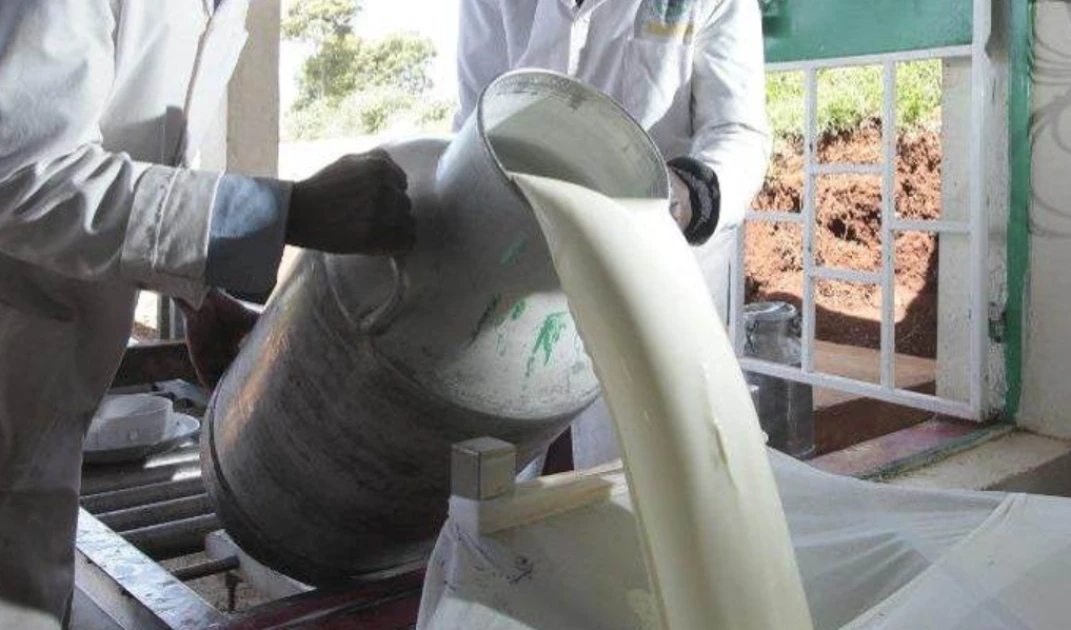
Milk processors in key producing areas such as Kericho are also lamenting the decline in supply.

Audio By Vocalize
Consumers in Nairobi and other parts of the country are facing
limited milk supplies, with some supermarkets reporting empty shelves and fewer
brands and pack sizes.
Traders said deliveries have declined, while some outlets have
also reported price increases of between Ksh.3 and Ksh.5 for a 500-millilitre
packet. The Kenya Dairy Board revealed that the shortage is temporary and
largely seasonal.
Several outlets in Nairobi and its environs have reported
limited stocks, with some popular brands missing from the shelves altogether.
In Kawangware, traders said their challenge is not demand, but
supply, with distributors delivering smaller quantities than usual.
“Kwa sasa ukiangalia, niko na brand moja peke yake ambayo ni
Brookside, na on the normal day nakuwa na supply of other
brands," Joel Mburu, a supermarket branch manager, stated.
"Kama hiyo Tuzo unaweza uza in a day like 80 cartons, na
hiyo ESL yake kama 50 cartons. Lakini kwa sasa hata hiyo supply ya 80 haupati.
Ni kama utapata 20, 10, 30, hiyo ndiyo range unapata.”
The squeeze is also being felt in prices, with the cost of a
500-millilitre packet increasing by between Ksh.3 and Ksh.5 in some outlets.
“For the last two weeks maziwa imekuwa ikitoka Ksh.62 to
Ksh.63 bob for Tuzo, lakini kwa sasa iko Ksh.65 to Ksh.68. Naye sasa ukiangalia
ESL ile soft cover ilikuwa inatoka kitu Ksh.50 to Ksh.55, lakini kwa sasa
inatoka Ksh.58 to Ksh.60,” Mburu noted.
Milk processors in key producing areas such as Kericho are
also lamenting the decline in supply.
“What the cooperatives societies are really collecting now is
below 60 per cent because the most important and most reliable problem we are
seeing is the short rainfall that has reduced the production of fodder. Another
issue is the high cost of fuel," Moses Rotich, chairman of Kericho
Dairy Cooperative Union, stated.
"When the fuel went up, farmers who used to conserve feed
cannot conserve because they are conserving using diesel in tractors, and
currently there is no feed in reserves,”
In a statement, the Kenya Dairy Board said formal milk
deliveries to processors fell by 3.7 per cent, from 84.4 million litres in June
to 81.3 million litres in July.
The board said preliminary indications point to a further
decline in August, largely due to seasonal production conditions.
It said the prevailing dry and cold weather in key
milk-producing areas has affected pasture and fodder availability, with pasteurised
milk more affected than long-life varieties.
The milk shortage is highlighting growing pressure across
Kenya’s dairy supply chain. With formal milk intake declining, attention is now
turning to how quickly supply can be restored and prices stabilised.
Join the Discussion
Share your perspective with the Citizen Digital community.
No comments yet
This discussion is waiting for your voice. Be the first to share your thoughts!