
LSK moves to Supreme Court over cybercrime law surveillance provisions
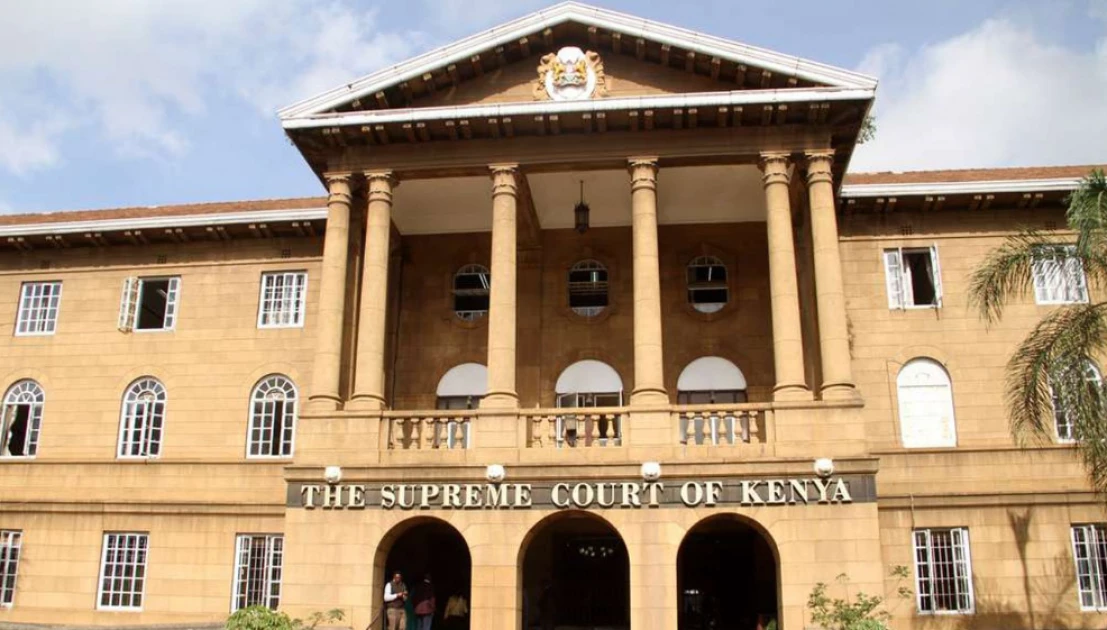
File image of the Supreme Court of Kenya.

Audio By Vocalize
Court documents filed before the Supreme Court show the petitioners are challenging Sections 48 to 53 of the Act, which allow authorities to intercept digital communications, compel disclosure of subscriber information and conduct searches linked to cybercrime investigations.
The petition follows a March 2026 Court of Appeal judgment that struck down Sections 22 and 23 of the law, provisions that criminalised the publication of false or misleading information online.
In its ruling, the appellate court described the provisions as “akin to unguided missiles likely to net innocent citizens,” finding that they posed a threat to freedom of expression.
However, the Court of Appeal upheld the surveillance-related sections of the Act, prompting the fresh appeal before the apex court.
According to the petitioners, the contested provisions grant the State broad powers to intercept emails, phone calls and other digital communications for periods of up to nine months, while also compelling internet service providers and telecommunications companies to surrender subscriber data.
They further argue that the law permits authorities executing data-related warrants to search individuals found on targeted premises, despite what they describe as inadequate judicial safeguards and oversight mechanisms.
The groups contend that the provisions contravene Articles 31 and 33 of the Constitution, which guarantee the rights to privacy and freedom of expression.
“The issue before the court is whether these surveillance powers meet the constitutional threshold required in a democratic society,” the petitioners state in the filing.
The Supreme Court has certified the matter as urgent, paving the way for expedited proceedings in what is expected to become a landmark case on digital rights, online freedoms and State surveillance in Kenya.
The Director of Public Prosecutions, the Attorney General, the Inspector General of Police and the Speaker of the National Assembly have been listed as respondents in the case.
Join the Discussion
Share your perspective with the Citizen Digital community.
No comments yet
This discussion is waiting for your voice. Be the first to share your thoughts!