
Lebanon says at least one killed in Israel strikes on south
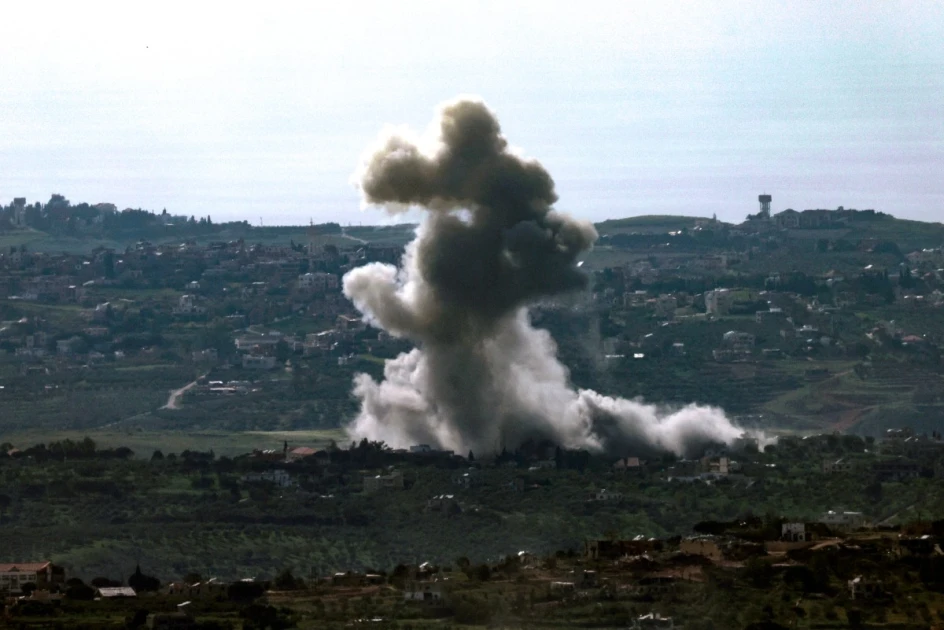
This picture taken from a position in Upper Galilee in northern Israel, near the border with Lebanon, shows smoke rising during Israeli strikes in southern Lebanon on April 27, 2026. Photo by JALAA MAREY / AFP

Audio By Vocalize
Israeli forces and Iran-backed Hezbollah have traded fire daily, mostly in southern Lebanon, despite the ceasefire agreement in effect since April 17.
Israel's military had called on residents of nine villages to evacuate, warning that it would act "forcefully" against Hezbollah after its "violation of the ceasefire agreement".
Lebanon's state-run National News Agency said Israeli warplanes "launched a strike on the town of Zrariyeh" and several other areas included in the notice.
It reported casualties in a strike on a car on a road between two of the locations, and said Israeli airstrikes and artillery shelling hit other areas of the south not mentioned in the warning.
The health ministry said an Israeli strike on a motorbike in the town of Nabatieh outside the evacuation areas hit "a Syrian national and his 12-year-old daughter".
"After they managed to move away from the site of the first strike, the drone attacked a second time," killing the father, the ministry said, while the drone then targeted the girl "directly for a third time", adding that she was undergoing life-saving surgery.
It slammed a "barbaric" attack and "deliberate violence against civilians and children".
- 'Barbaric' -
Under the terms of the ceasefire released by Washington, Israel reserves the right to act against "planned, imminent or ongoing attacks".
Israeli troops are also operating inside an Israeli-announced "yellow line", running around 10 kilometres (six miles) deep inside Lebanon along the border, where Lebanese have been warned not to return.
Hezbollah lawmaker Hassan Fadlallah on Saturday warned of "a new phase, in which the resistance (Hezbollah) will not accept a return to pre-March 2".
Hezbollah drew Lebanon into the Middle East conflict on March 2 with rocket fire at Israel to avenge the killing of Iran's supreme leader Ayatollah Ali Khamenei in US-Israeli strikes.
"When it attacks our villages and suburbs, the enemy must expect a response, and this is what the resistance is doing," Fadlallah said, alluding to an Israeli attack this week on Beirut's southern suburbs that it said targeted a Hezbollah commander.
Hezbollah said on Friday that it launched missiles and drones at military bases in Israel in retaliation for that attack and ongoing strikes in the south.
It also announced attacks on Israeli military targets inside Lebanon on Saturday.
- 'Whatever the cost' -
After a 2024 ceasefire that followed a previous war between Israel and Hezbollah, Israel kept up strikes on Lebanon, while the Iran-backed group refrained from firing back.
"Whatever the cost or the challenges, the resistance will not allow a return to the previous phase," Fadlallah said.
He also said direct talks with Israel amounted to a "path of concessions", reiterating his party's call for the government to withdraw in favour of indirect talks.
Lebanese and Israeli representatives are set to hold a third round of direct talks in Washington next week.
The first meeting was held days before US President Donald Trump announced a ceasefire in Lebanon, and the second round as he announced a three-week extension of the truce.
Earlier Saturday, Israel's military said it had struck more than 85 Hezbollah infrastructure sites "from the air and on the ground" in the past 24 hours, including weapon storage facilities and launchers.
It also said it had struck an underground Hezbollah weapons production site in east Lebanon's Bekaa valley, as well as militants who were "advancing terrorist activities against IDF soldiers operating in southern Lebanon".
Join the Discussion
Share your perspective with the Citizen Digital community.
No comments yet
This discussion is waiting for your voice. Be the first to share your thoughts!